
How Does Ocean Pollution Affect Climate Change
Ever built a sandcastle so magnificent, you almost felt bad when the tide came crashing in? Well, imagine our planet as that sandcastle and ocean pollution as a rogue wave with a serious attitude problem. It's not just about sad sea turtles and plastic bags; it's messing with the whole climate gig!
The Ocean: Earth's Giant, Overworked Air Conditioner
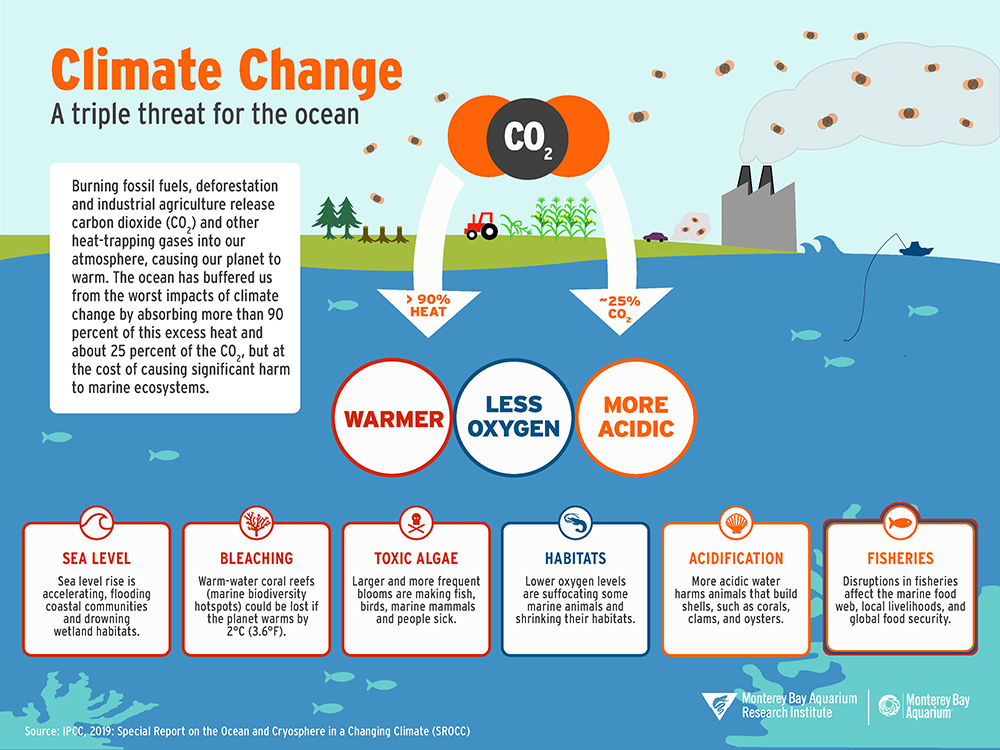
The ocean is like Earth's grumpy but essential air conditioner. It absorbs a crazy amount of heat from the sun – we're talking 90% of the excess heat trapped by greenhouse gases! That's a LOT of sunscreen for our blue planet.
Think of it as a giant, watery sponge soaking up all the extra warmth we're carelessly tossing into the atmosphere. Without it, things would get seriously toasty, and not in a fun, s'mores-by-the-campfire kind of way.
Must Read
Ocean Pollution's Sneaky Attack
So, how does pollution throw a wrench in this whole oceanic AC unit? Well, it's a bit like throwing garbage into your home AC – not a recipe for cool, crisp air.
The bad guys in this story are mainly plastic, chemical runoff, and oil spills. They're like the villains in a cheesy superhero movie, each with their own dastardly plan.
Plastic: The Unsinkable Problem (Literally)
Plastic, our ever-present frenemy, is a massive headache for the ocean. It breaks down into tiny pieces called microplastics, which are basically like glitter, but super toxic and gross.
These microplastics end up everywhere – in the bellies of fish, in the sand on beaches, and even in the rain! It's raining plastic; can you believe it?
And guess what? These pesky microplastics can also interfere with the ocean's ability to absorb carbon dioxide, one of the main culprits behind global warming. It's like the plastic is holding its breath, refusing to help clean up our mess.
Chemical Runoff: Fertilizer Gone Wild
Ever heard of algal blooms? They sound pretty, like a floral explosion underwater. But they're more like a suffocating green slime monster.
They are caused by excess nutrients, often from agricultural runoff (think fertilizers and animal waste). These nutrients feed algae, causing them to multiply like crazy.
When these algae die, they decompose, sucking up all the oxygen in the water. This creates "dead zones" where marine life can't survive. It's like a massive underwater mosh pit where everyone passes out from lack of air.
And here's the climate change connection: these dead zones reduce the ocean's ability to absorb carbon dioxide. The ocean's biological pumps which transport CO2 to the deep ocean is affected.
Oil Spills: A Slick Situation
Oil spills are the dramatic, headline-grabbing villains of ocean pollution. They're messy, devastating, and incredibly difficult to clean up.
Besides the obvious harm to marine life (poor otters covered in oil!), oil spills also disrupt the ocean's ability to regulate climate. They mess with the delicate balance of the marine ecosystem and can even affect cloud formation!

Think of it like putting a greasy film over the ocean's surface, preventing it from breathing properly. The film blocks the exchange of gases between the atmosphere and the ocean, impacting climate.
The Phytoplankton Connection: Tiny Heroes Under Attack
Here's where things get heartwarming (and slightly nerdy). Meet phytoplankton, the microscopic plants that live in the ocean.
They're like the tiny, unsung heroes of the climate change battle. These microscopic plants use photosynthesis to absorb carbon dioxide and release oxygen – just like trees on land.
In fact, they produce about half of the world's oxygen! Talk about a major contribution from such tiny creatures!
Ocean pollution, especially plastic and chemical runoff, is harming these vital phytoplankton. It's like attacking the lungs of the planet! If they suffer, we all suffer.
The Ocean's Carbon Pump: A Vital Service Disrupted
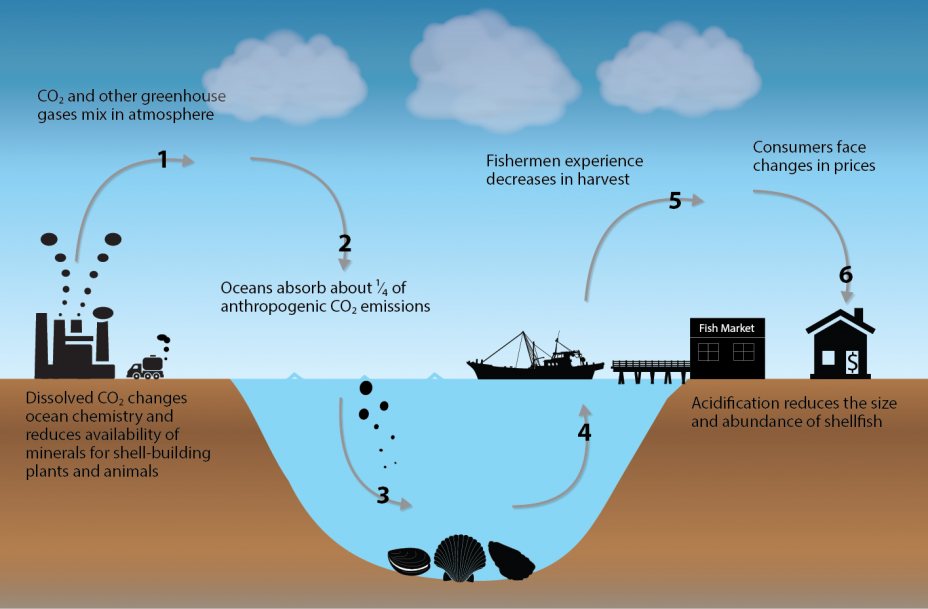
The ocean doesn't just absorb carbon dioxide; it also actively transports it to the deep sea, where it can be stored for centuries. This is known as the "carbon pump."
Phytoplankton play a crucial role in this process. When they die, they sink to the bottom of the ocean, taking the carbon they've absorbed with them.
Ocean pollution disrupts this pump, making it less efficient. Plastic prevents phytoplankton from sinking to the bottom.
It's like a broken elevator in a skyscraper – carbon gets stuck at the surface instead of being safely stored away.
What Can We Do? Be the Superhero the Ocean Needs
Okay, enough doom and gloom. The good news is that we can all be superheroes in this story! It doesn't require a cape or superpowers; just a little effort and awareness.
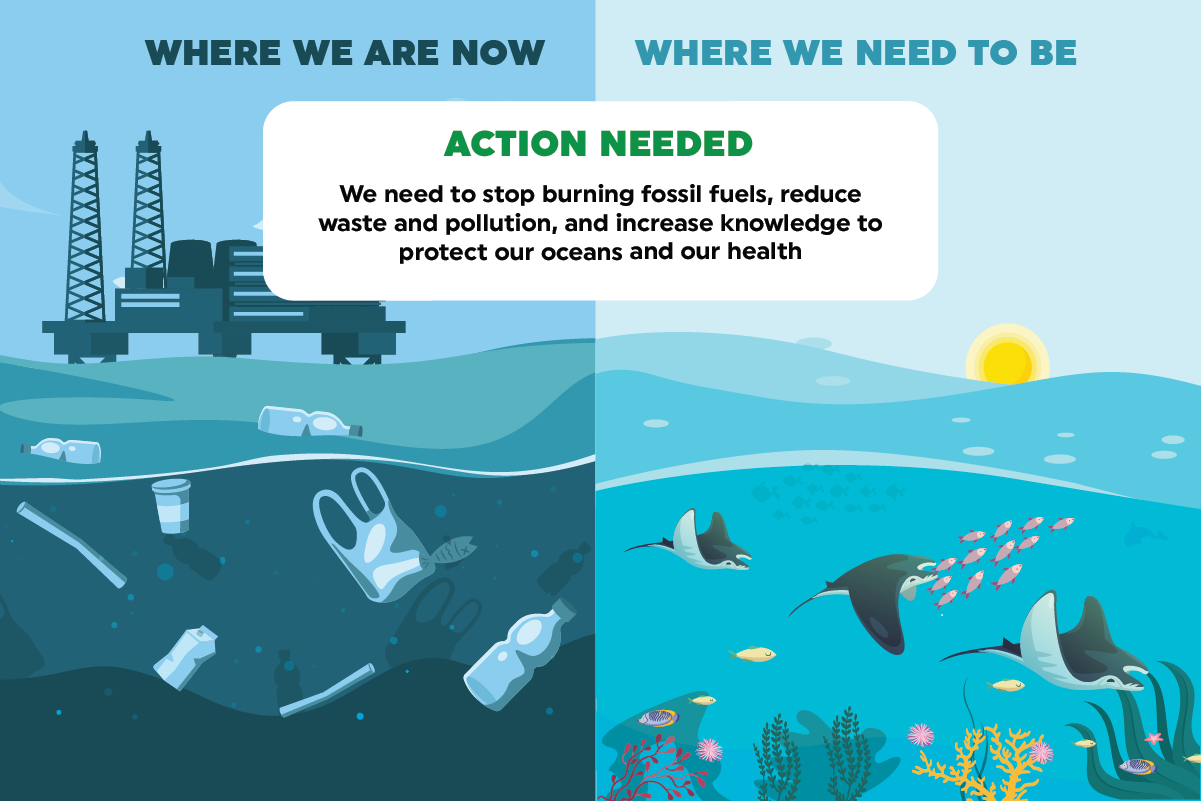
Reduce your plastic consumption. Say no to single-use plastics like straws, bags, and water bottles. It's a simple step, but it makes a huge difference.
Support sustainable agriculture. Choose foods that are grown using methods that minimize chemical runoff. Vote with your wallet for a healthier planet.
Reduce your carbon footprint. Drive less, fly less, and use energy more efficiently. Small changes in your daily life can add up to big impact.
Support organizations that are working to clean up our oceans and protect marine life. Donate your time or money to causes you believe in. There are a lot of dedicated people are out there trying to make a difference!
Think Globally, Act Locally
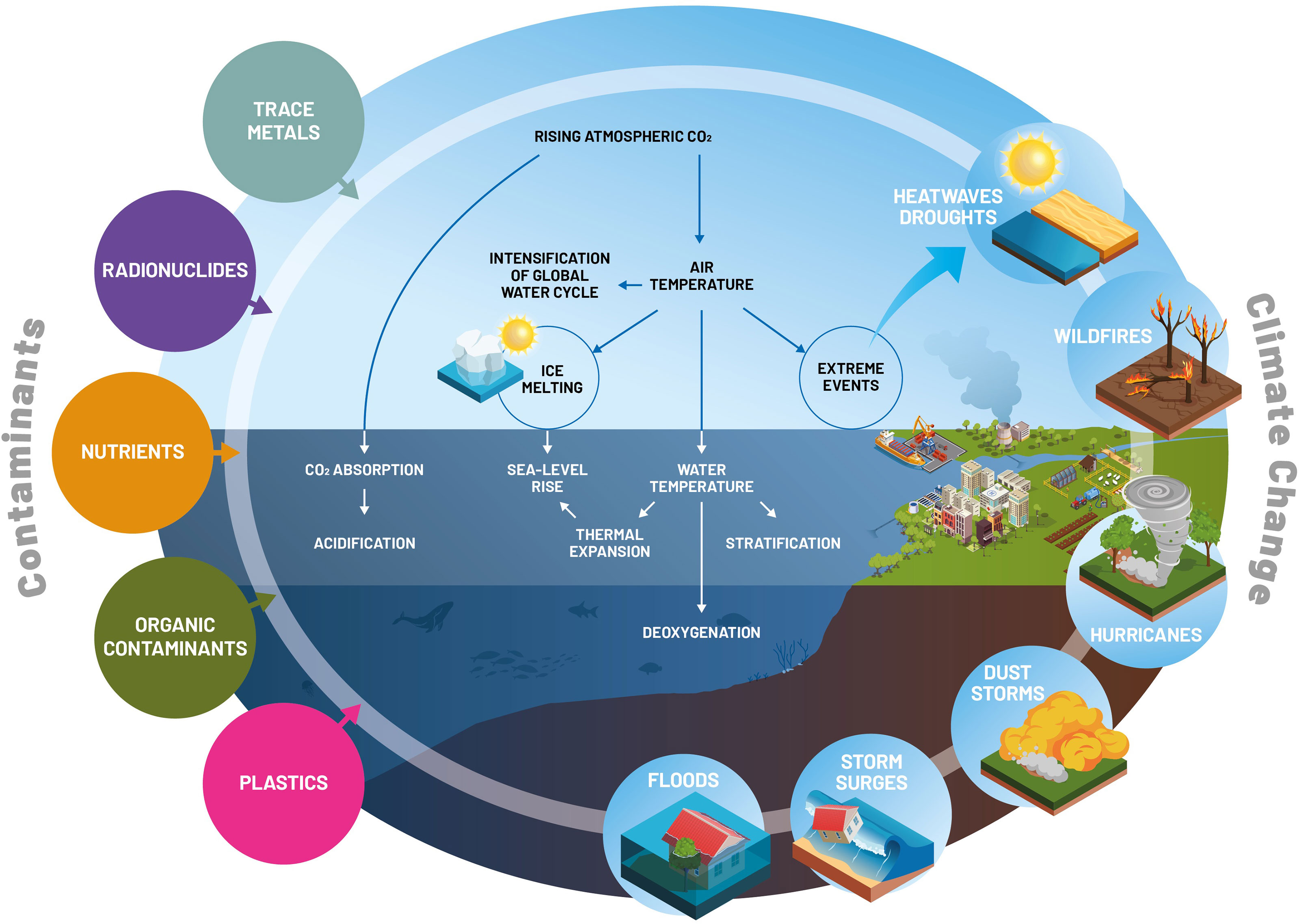
The ocean connects us all, no matter where we live. Even if you're miles from the coast, your actions can still have an impact.
Educate yourself and others about ocean pollution and climate change. Spread awareness and inspire others to take action. Be a voice for the ocean!
Remember, the ocean is not just a pretty backdrop for our beach vacations. It's a vital part of our planet's climate system, and it needs our help. Let's be good stewards of this precious resource and ensure a healthy ocean for generations to come.
So, next time you're at the beach, take a moment to appreciate the vastness and importance of the ocean. And remember, even small actions can make a big wave of change. Let's be the change the ocean needs!