How Does Nuclear Energy Affect The Environment

Alright, settle in, grab your lattes (or something stronger, we're talking about nuclear energy here!), because we're diving into a topic that's both incredibly important and, let's be honest, a little bit scary: how nuclear energy affects our good ol' planet Earth. Don't worry, I promise not to get too science-y on you. I'll try to keep the jargon to a minimum, unless "fission" makes a comeback as a dance craze. Which, let's face it, is unlikely.
First things first, let's address the elephant in the room, or should I say, the radioactive elephant? Everyone thinks of mushroom clouds and mutations when they hear "nuclear," and while those are definitely things we want to avoid (like paying full price for airline peanuts), they aren't the whole story. In fact, compared to, say, burning a mountain of coal, nuclear power actually has some surprising environmental benefits.
The Good-ish Stuff: Lower Emissions (Relatively Speaking)
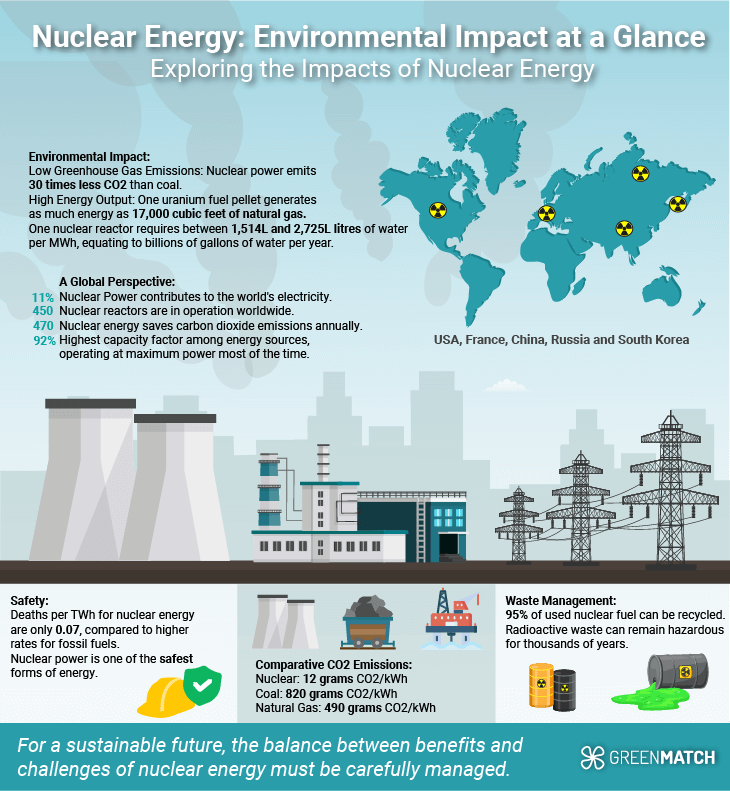
Okay, so here's the deal: nuclear power plants don't burn fossil fuels. I know, shocking! This means they release practically zero greenhouse gases while they're busy splitting atoms and making electricity. That's right, zero. Nada. Zilch. Compared to a coal-fired power plant belching out smoke like a disgruntled dragon, nuclear plants are practically breathing purified unicorn farts (figuratively speaking, of course. Unicorn farts probably have a strong...glitter content?).
Must Read
This is a big deal when it comes to climate change. If we want to avoid turning the Earth into a giant, slowly-boiled frog (again, figuratively… I hope), we need to cut those emissions. Nuclear power offers a way to generate a lot of electricity without contributing to the problem of global warming. Think of it as trading in your gas-guzzling monster truck for a sleek, electric sports car. Sure, the sports car might have its own quirks, but at least it's not actively trying to melt the polar ice caps. Speaking of melting, ever tried microwaving ice cream? Don't. Just trust me on this one.
The Not-So-Good-ish Stuff: Radioactive Waste (Duh!)
Alright, now for the part that gives everyone the heebie-jeebies: nuclear waste. This stuff is…well, it's radioactive. And radioactive stuff isn't something you want to use as fertilizer in your prize-winning zucchini patch. (Unless you're aiming for radioactive prize-winning zucchini, in which case, knock yourself out. Just, you know, wear gloves.)
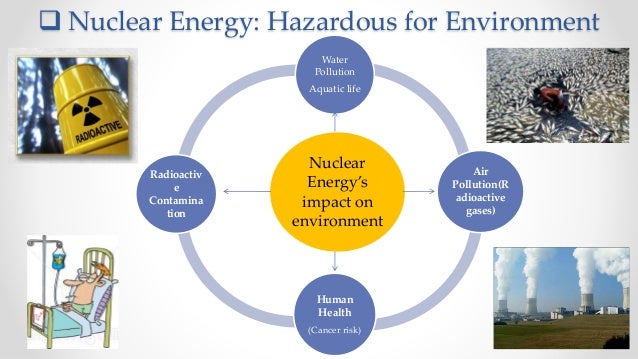
The problem is that nuclear waste can remain radioactive for, well, a very, very long time. We're talking thousands of years. That's longer than it takes for a teenager to clean their room. Finding a safe place to store this stuff is like trying to find a decent parking spot downtown on a Saturday night – incredibly difficult and likely to induce a headache.
Currently, most nuclear waste is stored on-site at the power plants that generate it. This is like keeping all your dirty laundry in your living room – not ideal, but it works for now. Scientists are working on long-term storage solutions, like burying it deep underground in stable geological formations. The idea is to basically hide it away where it won't bother anyone for, oh, the next 10,000 years or so. No pressure!

Accidents Happen (Hopefully Rarely)
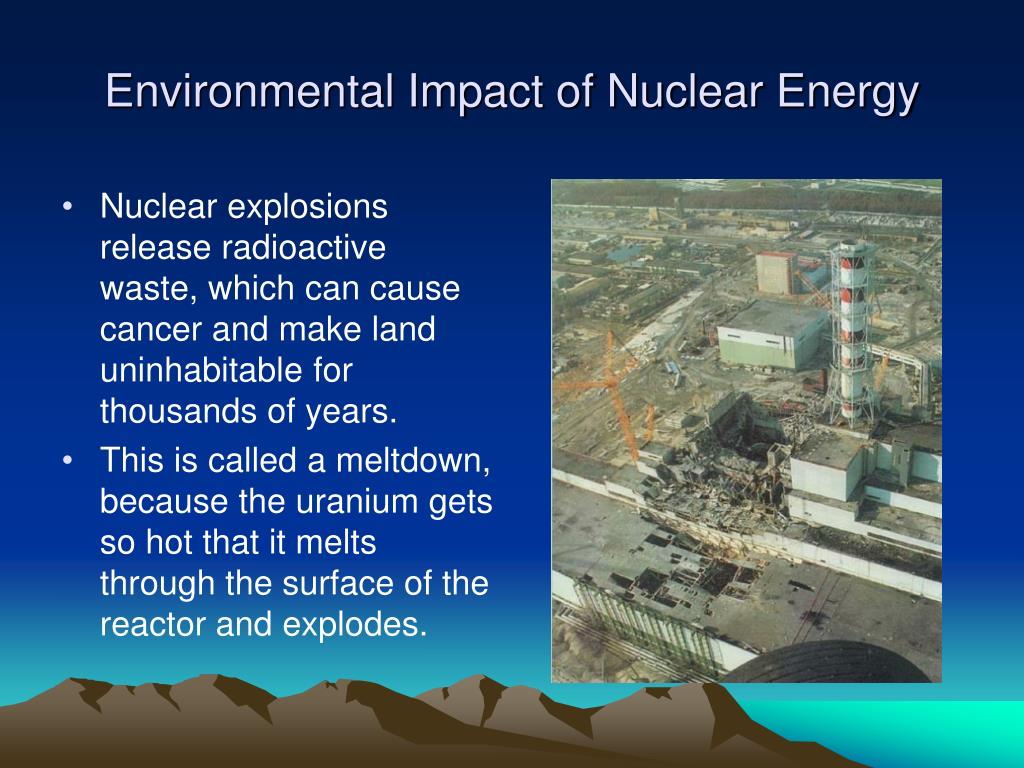
Let's not forget the potential for accidents. While nuclear power plants are designed with multiple safety systems (think layers and layers of bubble wrap protecting a particularly fragile porcelain doll), things can still go wrong. We've seen it with Chernobyl and Fukushima. These were major disasters that released radioactive material into the environment, with devastating consequences.
Modern nuclear power plants have significantly improved safety features, but the risk is still there. It's like riding a motorcycle: it can be a thrilling and efficient way to get around, but you're always aware of the potential for things to go south in a hurry. So, while nuclear energy has potential as a cleaner energy source, the accidents are always a concern.
The Verdict: Complicated, Like Most Things in Life
So, how does nuclear energy really affect the environment? The answer, as always, is: it's complicated. It's a trade-off. We get relatively clean energy, but we also have to deal with the problem of radioactive waste and the risk of accidents. It's like dating someone who's incredibly attractive and intelligent but also leaves their socks on the floor and forgets your birthday every year.
The future of nuclear energy depends on our ability to manage these risks and develop better, safer technologies. We need to find better ways to store waste, improve safety protocols, and maybe even figure out how to make nuclear fusion a reality (that's the process that powers the sun, and it's much cleaner and safer than fission). Until then, nuclear energy remains a powerful, but potentially problematic, tool in our fight to save the planet. Now, if you'll excuse me, I'm going to go research unicorn fart filters. You know, for science.