
How Does Natural Gases Affect The Environment

Hey there, friend! Let's chat about something that's all around us, literally heating our homes and powering our stuff: natural gas. Now, I know what you might be thinking: "Ugh, environment stuff... sounds boring!" But trust me, it doesn't have to be! We can tackle this topic without falling asleep, promise!
So, the question on the table: how does this natural gas, this invisible energy source, affect our planet? Well, grab your favorite beverage (mine's iced tea, because I’m classy like that), and let’s dive in!
The Good (Relatively Speaking)
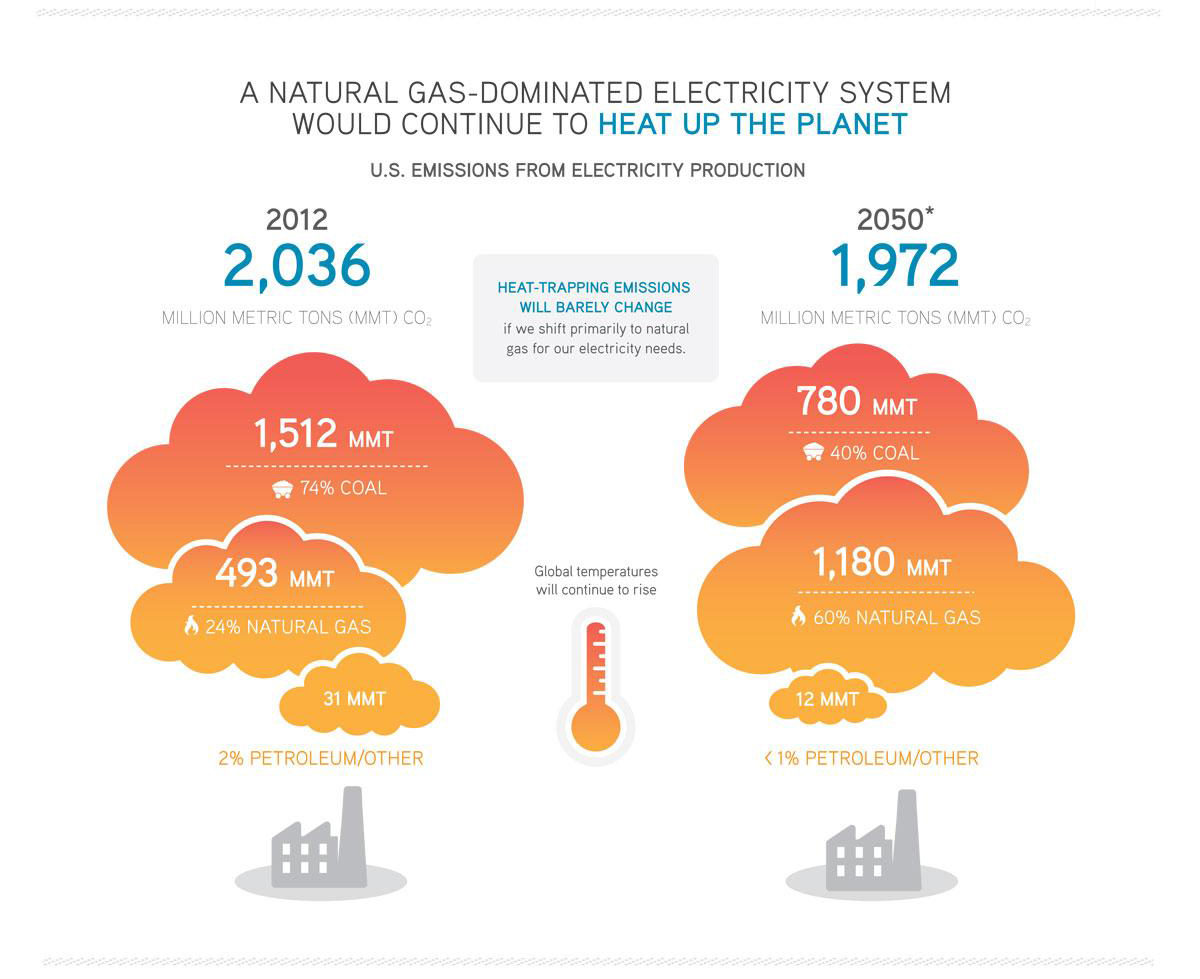
First, let's give credit where credit is due. Compared to some of its fossil fuel cousins, like coal and oil, natural gas is often seen as the "lesser evil." Why? Because when burned, it produces fewer greenhouse gases. We’re talking less carbon dioxide (CO2) and almost no sulfur dioxide (SO2), which is a major culprit in acid rain. Think of it as the politely coughing fossil fuel at the dinner party, compared to the one belching smoke.
Must Read
This cleaner burning also means less of that nasty smog that makes cities look like they're perpetually covered in a bad Instagram filter. So, yay for (slightly) cleaner air!
The Not-So-Good (Okay, the Problematic)
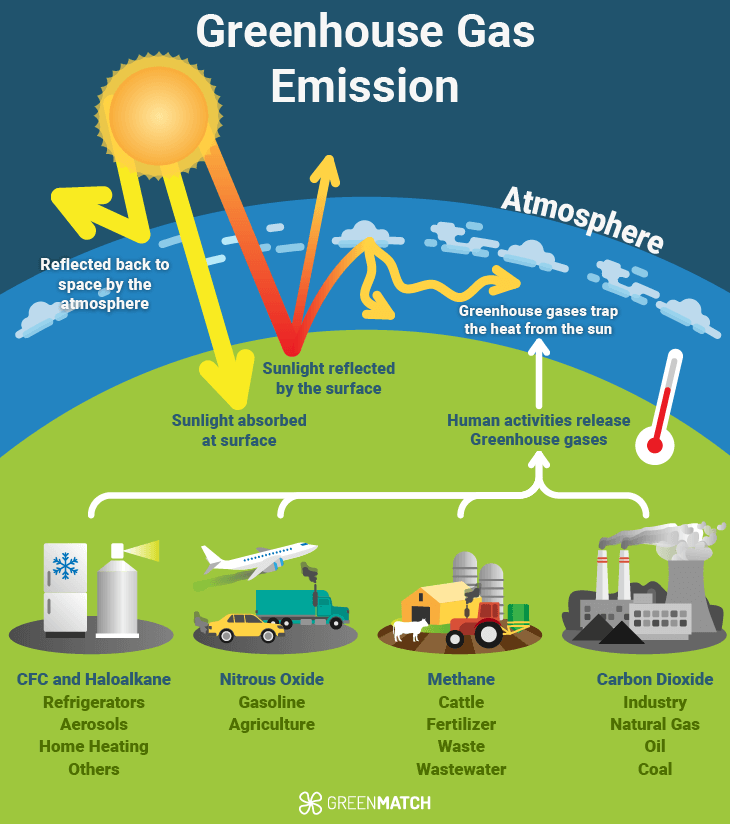
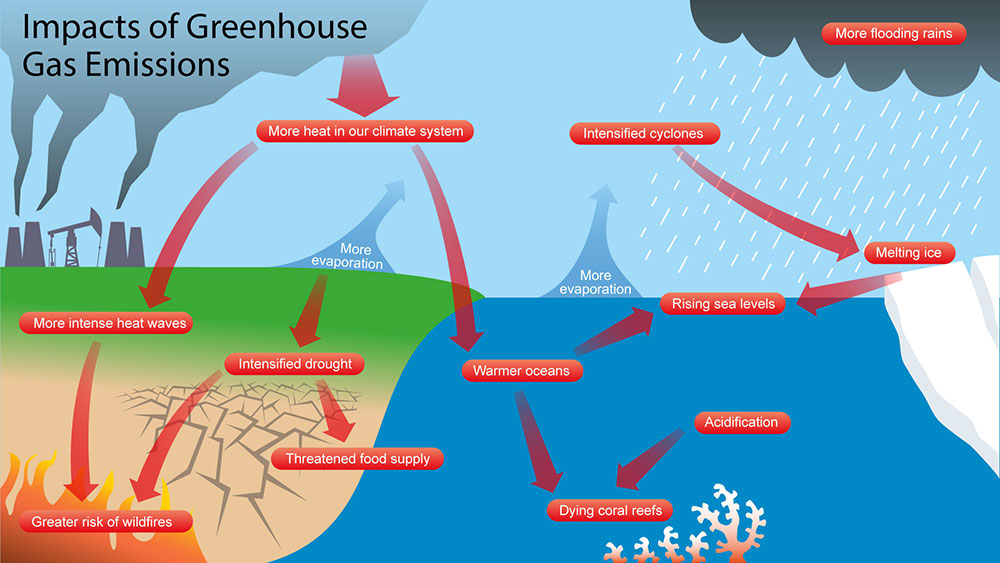
Alright, time for the reality check. While natural gas might be the 'responsible' fossil fuel, it's still a fossil fuel. And that means it still contributes to climate change. That's because when it burns, it does release CO2, the main greenhouse gas driving global warming. It's like saying you only ate one cookie… while the entire box sits suspiciously empty nearby.

But wait, there's more! The biggest problem with natural gas isn't even the burning of it. It's the leakage of it. You see, natural gas is primarily composed of methane (CH4), and methane is a super potent greenhouse gas. We're talking way more powerful than CO2 in the short term (like, over 25 times more potent!). So even small leaks during extraction, processing, and transportation can have a big impact. Picture a tiny dripping faucet slowly flooding your entire house – that’s methane leaks!
These leaks can happen anywhere – from pipelines and wellheads to storage facilities and even your own gas stove (yikes!). And because methane is invisible and odorless (unless they add a smell to it for safety, thank you very much!), it can be hard to detect and fix these leaks quickly.
Fracking: The Plot Thickens (and Gets Muddy)
Let's talk about fracking, short for hydraulic fracturing, a process used to extract natural gas (and oil) from shale rock deep underground. Basically, they blast the rock with a mixture of water, sand, and chemicals to release the gas. Sounds fun, right?
Well, it's controversial for a reason! Fracking can contaminate groundwater sources if things go wrong. Plus, it can cause earthquakes. Because who doesn't love a good tremor while trying to enjoy a cup of coffee?
There are also concerns about the disposal of the wastewater from fracking, which can contain nasty chemicals and naturally occurring radioactive materials (NORM). Keeping that out of our waterways is pretty important, I'd say.
What Can We Do? (Besides Panic)
Okay, okay, I know. It can all sound a bit gloomy. But don't lose hope! There are things we can do to make a difference. Think of it like this: we're not aiming for environmental perfection overnight, but progress! Small changes can add up.
Here are a few ideas:
- Support renewable energy! Wind, solar, hydro… the future is bright (and powered by the sun!).
- Reduce your energy consumption! Turn off lights, unplug electronics, and maybe even invest in some energy-efficient appliances.
- Demand better regulations! Tell your elected officials that you care about reducing methane leaks and promoting responsible energy production.
- Educate yourself and others! The more people who understand the issues, the better we can work together to find solutions.
Ultimately, the goal is to transition away from fossil fuels, including natural gas, towards a cleaner, more sustainable energy future. It's a journey, not a sprint! But hey, at least we're on the path, right?
So, there you have it! Natural gas and its impact on our environment. It's a complex issue, but hopefully, this chat has made it a little bit easier to understand. And remember, even small actions can make a big difference. Go forth and be environmentally awesome!