
How Does Hydroelectricity Affect The Environment
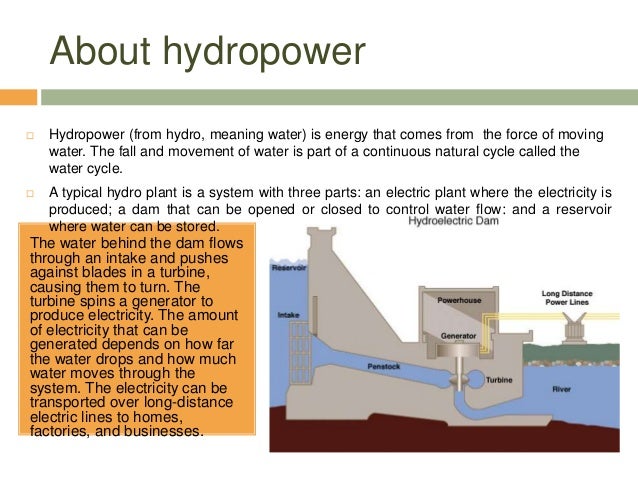
Okay, picture this: I'm kayaking down a river, feeling all zen and connected to nature, when suddenly I see this HUGE concrete wall looming ahead. Yep, you guessed it, a dam. My inner nature-lover shrieked a little. It got me thinking: We all love the idea of clean energy, but what’s the real deal with hydroelectricity and the environment?
So, let’s dive in! Hydroelectricity, or power generated from the force of water, is often touted as a renewable energy source. And in many ways, it is! We're not burning fossil fuels, which is a massive win for reducing greenhouse gas emissions. High five for cleaner air! But like with most things in life, there's a "but..."
The Reservoir Rumble: What Happens When You Dam a River?
The biggest impact of hydroelectric dams comes from the reservoirs they create. Think about it: you’re essentially flooding a massive area of land. What was once a forest, a field, or even a town (yep, sometimes entire communities get relocated!) is now underwater.
Must Read
Habitat Loss: This is a biggie. Entire ecosystems are disrupted. Fish spawning grounds disappear, wildlife is displaced, and unique plant life is, well, drowned. It’s not just a matter of moving things around; it’s about fundamentally changing the environment. And that’s never easy.
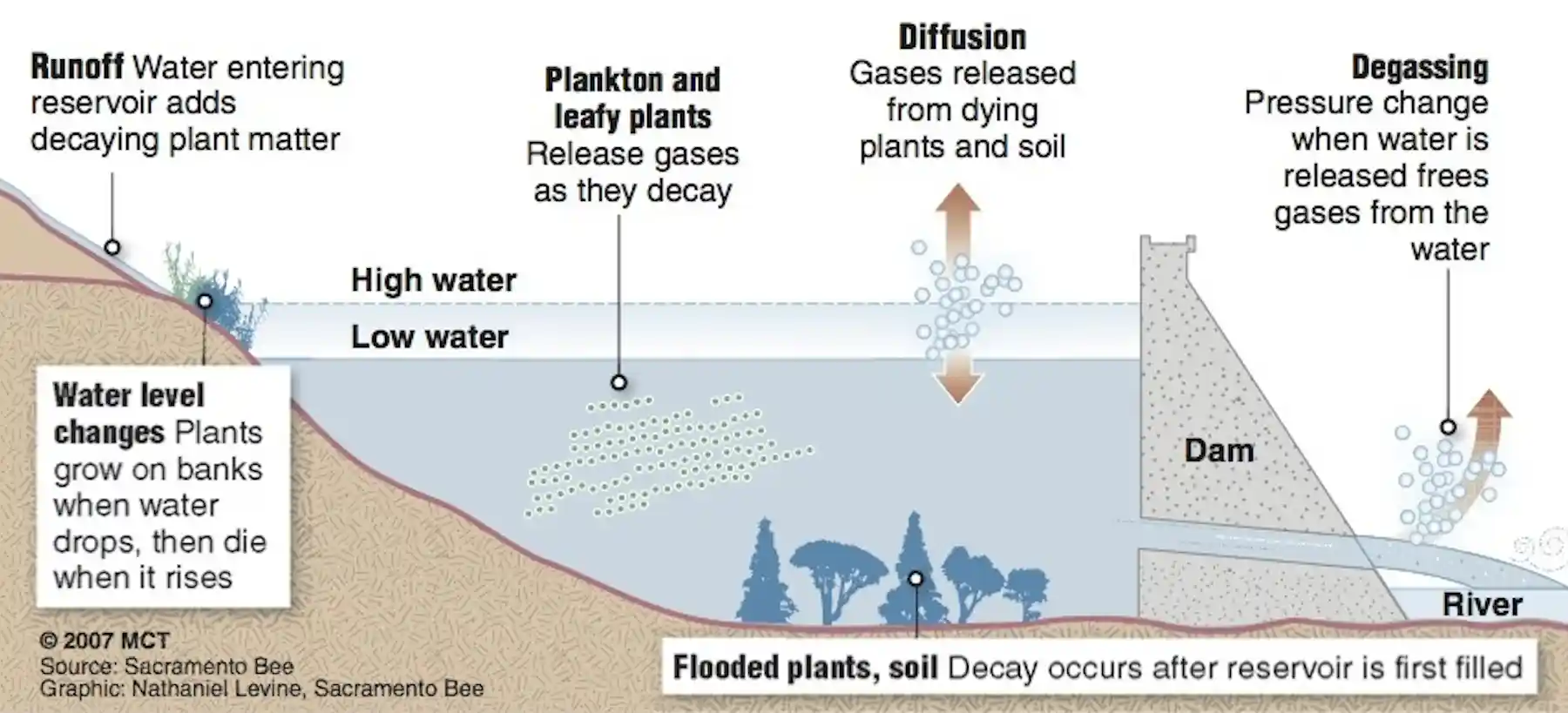
Methane Matters: Here’s a fun fact that’ll make you rethink that "clean energy" label: when all that organic matter (leaves, trees, whatever’s on the land) decomposes underwater, it releases methane. Methane is a potent greenhouse gas, even more so than carbon dioxide! So, while we’re avoiding burning fossil fuels, we might be contributing to global warming in a different way. Mind blown, right?
Downstream Drama: The River's Revenge
It’s not just the reservoir that suffers. The river downstream from the dam also faces significant changes.
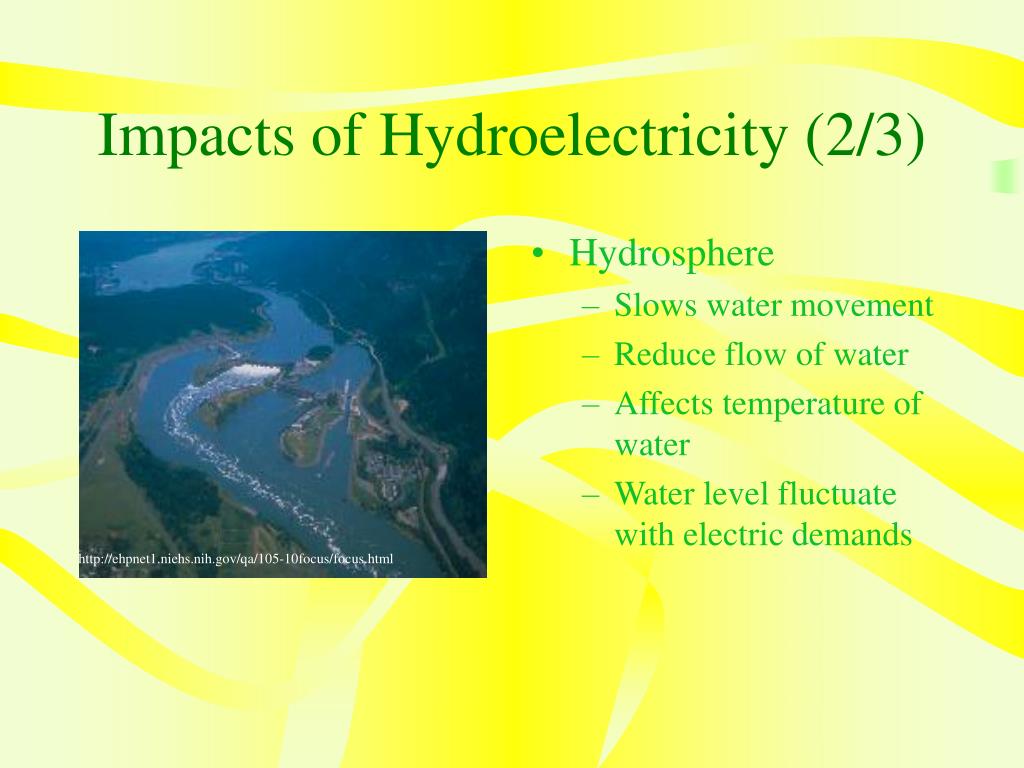
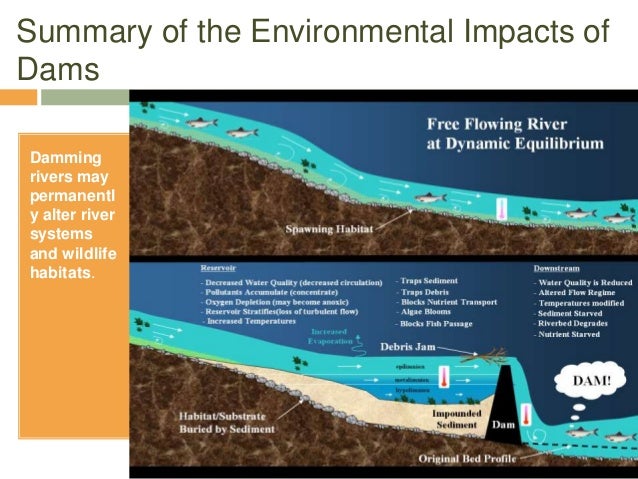
Altered Flow: Dams regulate the flow of water. This can be good for flood control, but it can also wreak havoc on the natural rhythm of the river. Fish that depend on specific water levels for spawning can be affected, and the overall health of the river ecosystem can decline. Imagine trying to live your life with someone constantly turning your water on and off – annoying, to say the least.
Sediment Starvation: Rivers naturally carry sediment (sand, silt, etc.) downstream. This sediment is vital for maintaining riverbanks, deltas, and coastal ecosystems. Dams trap this sediment, leading to erosion downstream. Coastal areas, in particular, can suffer from increased erosion and loss of land. It's like taking away the river's building blocks.
Fishy Business: Dams are major obstacles for migratory fish like salmon. They need to be able to travel upstream to spawn. While fish ladders and other mitigation measures can help, they’re not always effective. Some fish simply can’t navigate these structures, leading to population declines. It's a real-life Finding Nemo situation, but way less cute.
The Silver Linings (Because There Always Are Some!)
Okay, so it’s not all doom and gloom. There are some benefits to hydroelectricity (besides the whole clean energy thing).
Flood Control: As mentioned earlier, dams can help regulate water flow and reduce the risk of flooding. This can protect communities and infrastructure downstream.
Water Supply: Reservoirs can provide a reliable source of water for irrigation, drinking water, and industrial use. This is especially important in arid regions.
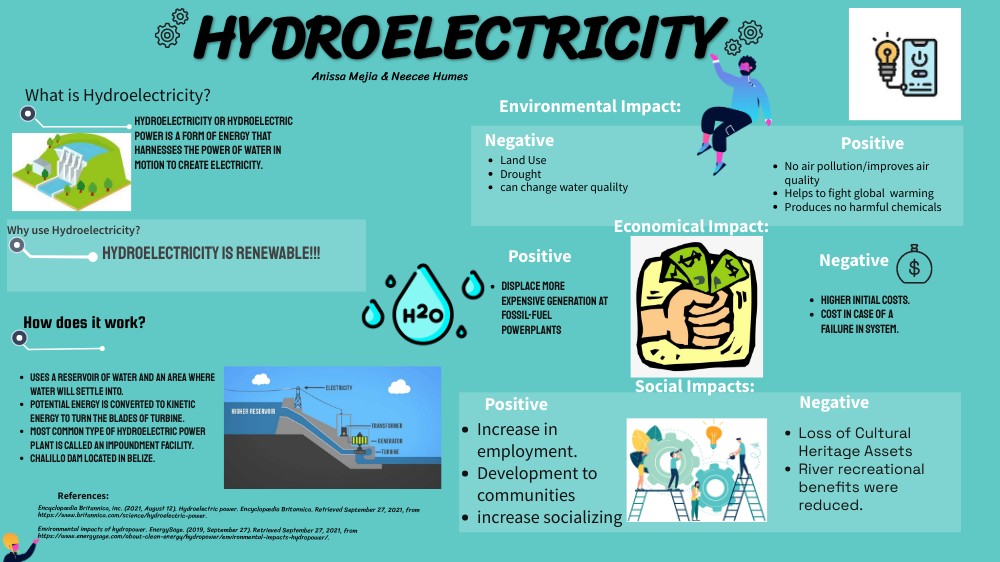
Recreation: Reservoirs can offer opportunities for boating, fishing, and other recreational activities. Water skiing, anyone?
So, What's the Verdict?
Hydroelectricity is a complex issue. It's not a perfect solution, but it’s also not inherently evil. The environmental impacts depend heavily on the specific location, the design of the dam, and the mitigation measures that are put in place. The key is finding a balance between our energy needs and the health of our planet. Maybe smaller, run-of-the-river projects are the future? Or maybe we should be focusing even more on solar and wind?
One thing is for sure: we need to keep asking questions and exploring all our options to create a truly sustainable energy future. Because who wants to kayak past a concrete jungle anyway?