
How Does Hydroelectric Power Help The Environment
Alright, gather 'round, friends, because I'm about to drop some knowledge on ya about hydroelectric power! Now, I know what you’re thinking: “Hydroelectric? Sounds boring. Like watching paint dry, but with more water.” But trust me, it's surprisingly interesting! Especially when you consider all the ways it helps Mother Earth.
So, What's the Big Deal?
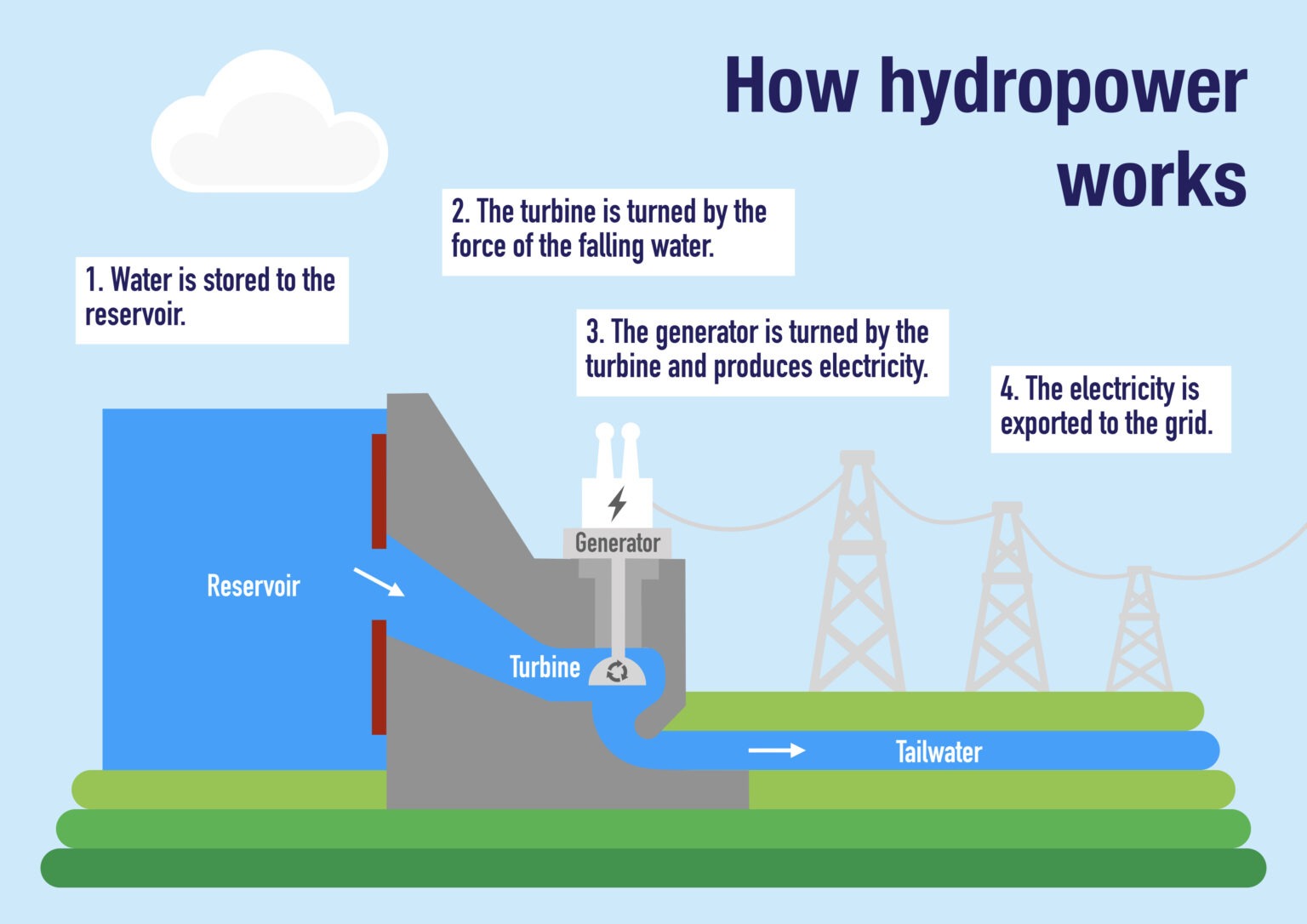
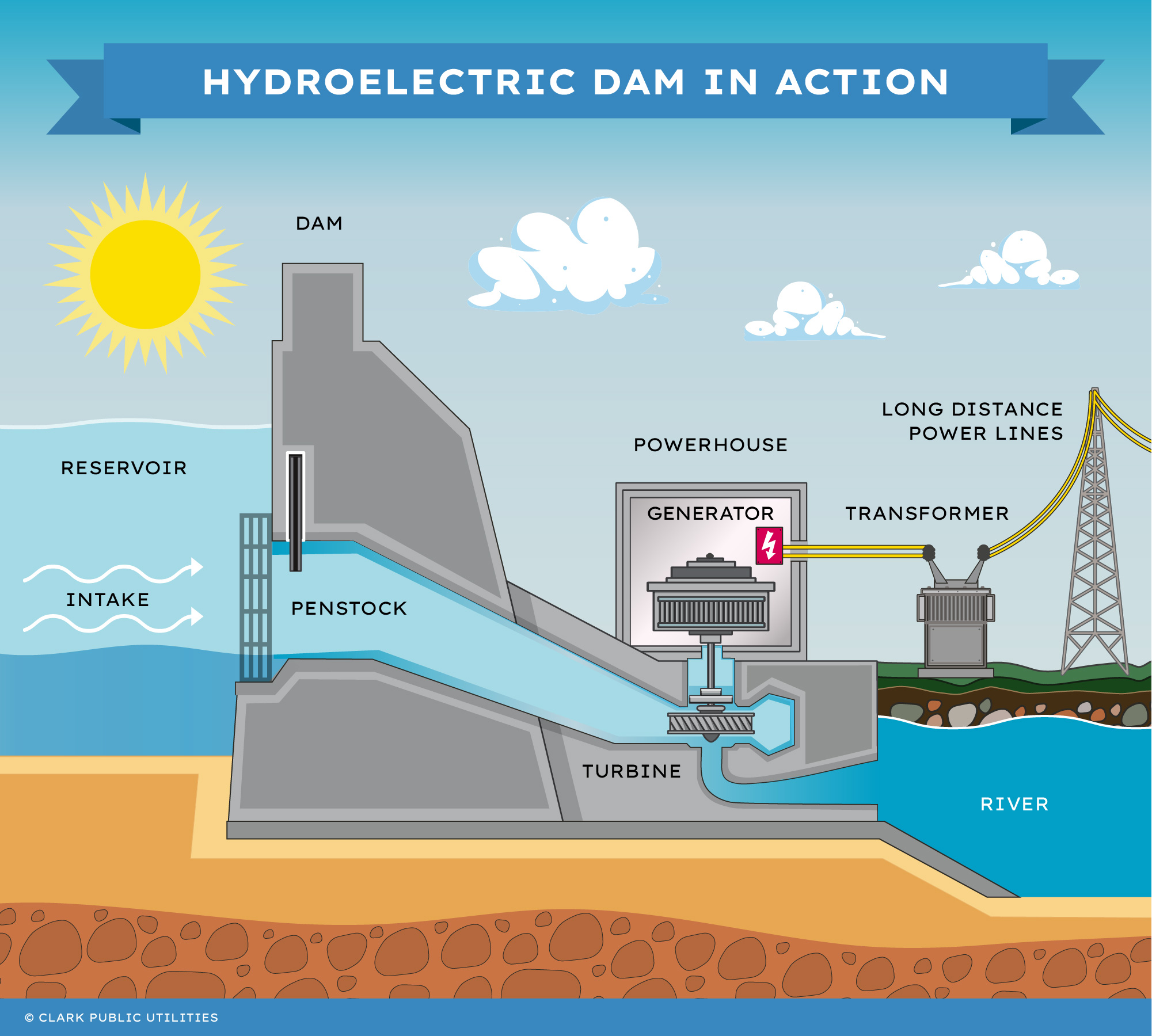
Okay, let's break it down. Hydroelectric power, at its heart, is just harnessing the power of flowing water. Think of it like this: water is naturally lazy. It wants to go downhill. We just put a giant water wheel (a turbine, to be precise) in its path and let it spin. That spinning then generates electricity. It’s like making the water do all the work while we sit back and sip iced tea.
And here's the kicker: it’s a renewable resource. We’re not burning fossil fuels, digging up the earth, or releasing plumes of smoke that make pandas cough. The water just keeps flowing (usually – unless you live in a desert with zero rainfall, in which case, sorry).
Must Read
The Environmental Perks – Hold On To Your Hats!
Now, let’s get to the juicy part: how this whole hydroelectric thingy helps the environment. Imagine the atmosphere as a giant, sensitive baby. Fossil fuels are like giving that baby a chili pepper. It’s gonna cry (and by cry, I mean global warming and climate change). Hydroelectric? It's like giving the baby a nice, soothing cup of chamomile tea. Okay, maybe that's a bit dramatic, but you get the idea!
Reduced Greenhouse Gas Emissions: The biggest win is the massive reduction in greenhouse gas emissions. Coal plants are notorious for belching out carbon dioxide, a major culprit in global warming. Hydroelectric plants? They release virtually zero greenhouse gases during electricity generation. It's like switching from a gas-guzzling monster truck to a sleek, silent electric scooter. Except, you know, way bigger and powered by water.

Cleaner Air: Burning fossil fuels also releases other nasty pollutants that can cause respiratory problems and generally make the air gross. Hydroelectric? Clean air, baby! Breathe deep and enjoy the freshness! You might even start sprouting wings and singing like a Disney princess (results may vary).
Water Management (Sometimes): This one's a bit tricky, but hear me out. Dams, which are often associated with hydroelectric plants, can also be used for flood control and water storage. In some areas, this can be a huge help, preventing devastating floods and ensuring a reliable water supply during dry seasons. It's like having a giant bathtub that you can fill up when it's raining and then draw from when it's not. Of course, dams also have their downsides (more on that later).
But Wait, There's a Catch (Isn't There Always?)
Okay, okay, I know what you're thinking. "This sounds too good to be true! What's the catch?" And you're right, there are a few things to consider.
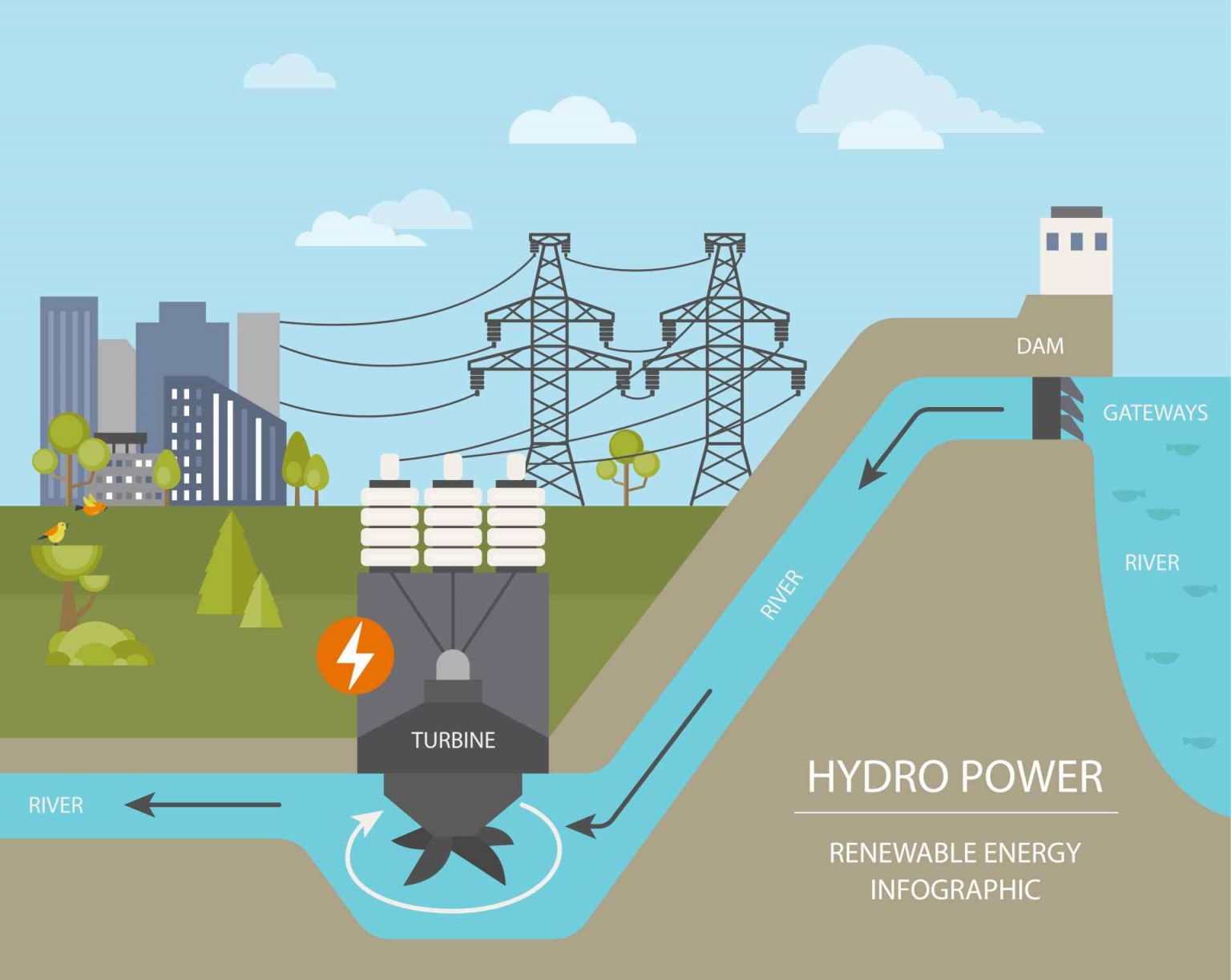
Environmental Impact of Dams: Building a dam is no small feat. It can significantly alter the surrounding environment, flooding large areas of land and disrupting ecosystems. Imagine building a giant Lego dam across your living room. Your cat wouldn't be thrilled, right? Same idea.
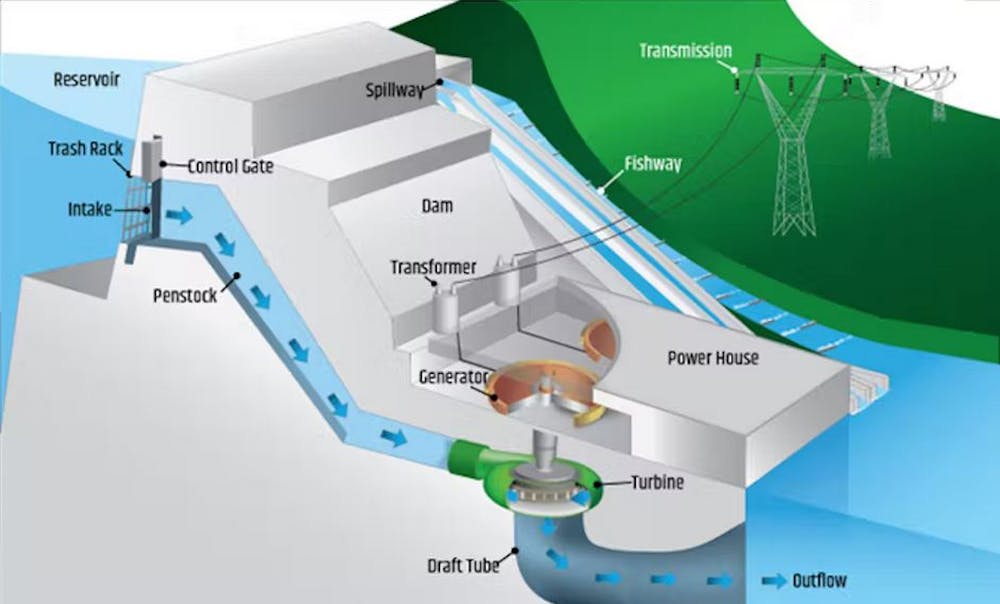
Impact on Fish: Fish, especially those that migrate upstream to spawn, can have a tough time navigating dams. Picture trying to climb a slippery, giant waterfall. Not fun! Fish ladders and other measures can help, but they're not always foolproof.
Sedimentation: Dams trap sediment, which can build up over time and reduce the reservoir's storage capacity. It's like your bathtub slowly filling up with sand. Eventually, you won't be able to take a bath anymore! Plus, the sediment that used to flow downstream is now trapped, which can impact downstream ecosystems.
The Verdict?
So, is hydroelectric power the ultimate environmental savior? Not quite. But it's definitely a valuable tool in our fight against climate change and pollution. It's a relatively clean, renewable source of energy that can significantly reduce our reliance on fossil fuels.
It's all about finding the right balance. Carefully planning and managing hydroelectric projects to minimize their environmental impact while maximizing their benefits. It's like trying to bake a cake that's both delicious and healthy. It's not always easy, but it's definitely worth the effort.
Next time you flip on a light switch, take a moment to think about where that electricity might be coming from. Maybe, just maybe, it's the power of good old H2O, quietly saving the world one kilowatt at a time.