
How Does Hydroelectric Power Generate Electricity
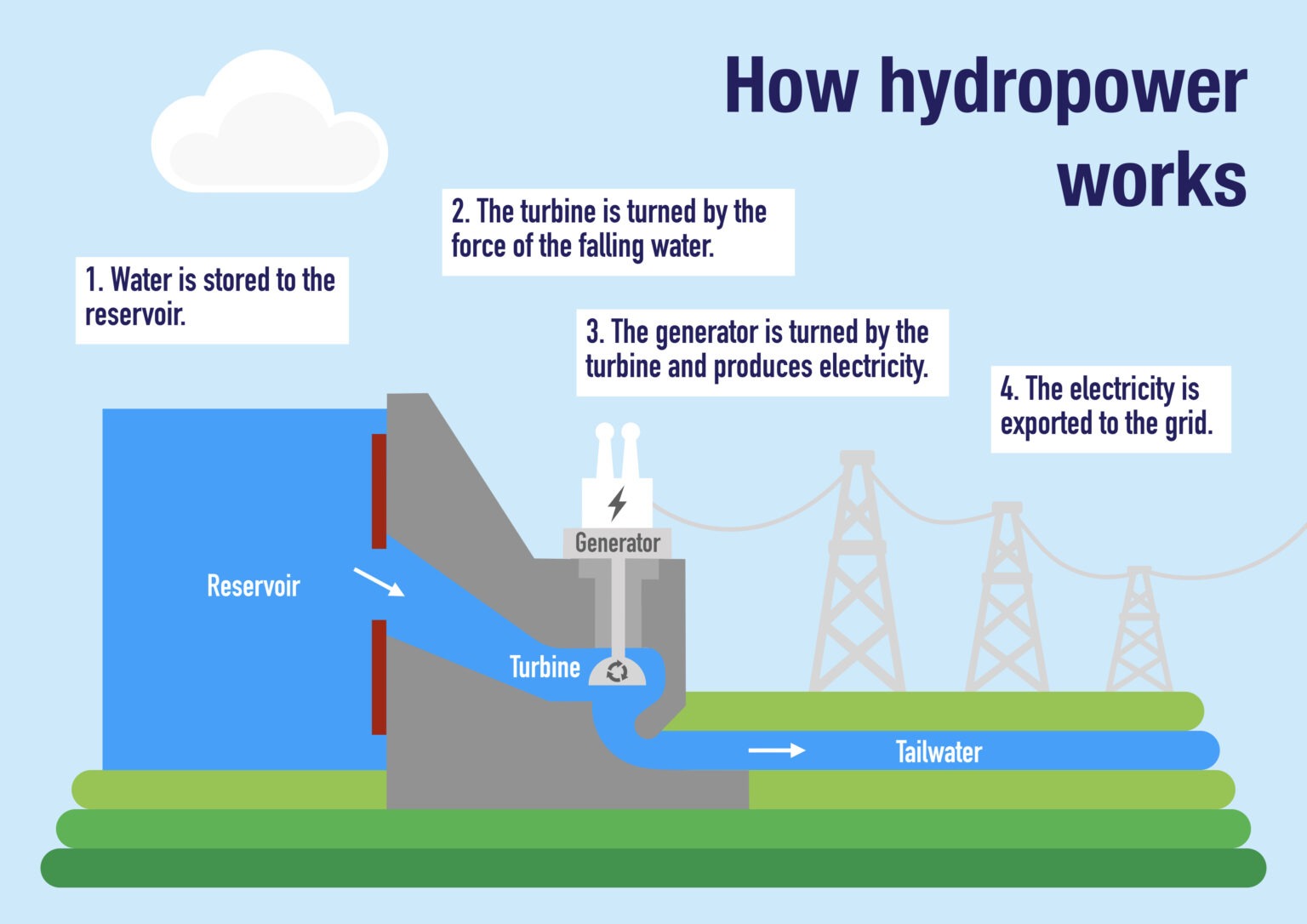
Okay, let's talk about hydroelectric power. Prepare yourself, because I'm about to explain it in a way that even your pet goldfish could understand. (No offense to your goldfish, Goldie. You're a smart one.)
Basically, it all boils down to water and gravity. Seriously. It’s almost too simple, which is probably why people make it sound so complicated.
The Big Picture (and a Dam)
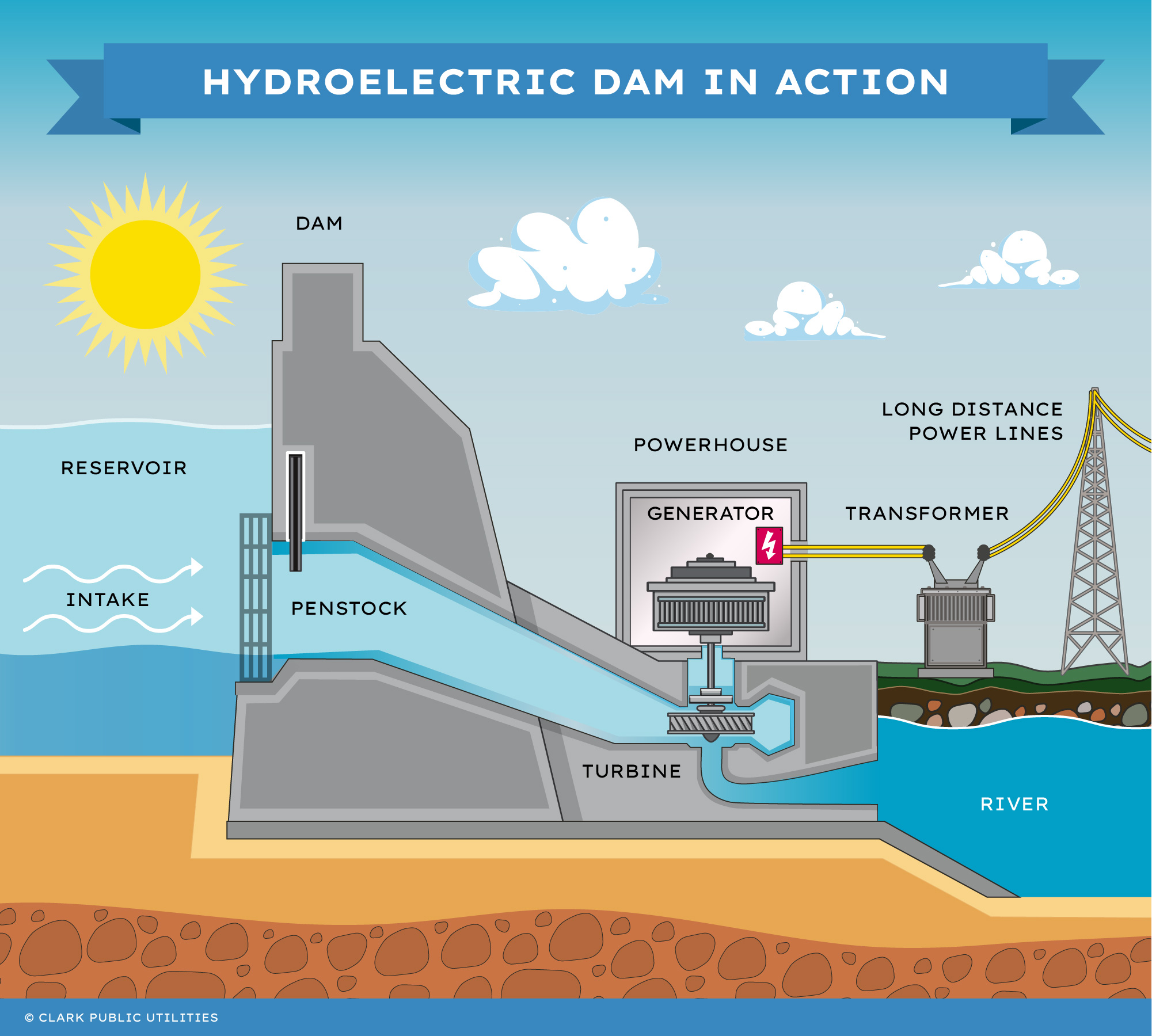
First, you need a dam. A big, honkin' dam. We're talking a concrete wall that holds back a ton of water. Imagine a giant bathtub, but instead of rubber duckies, you have enough water to fill, like, a million Olympic swimming pools. Give or take a few. I haven't done the math.
Must Read
Unpopular opinion: Dams are actually pretty cool looking. Like, giant, human-made waterfalls. Who wouldn't want to see that?
This water, held behind the dam, is called a reservoir. Think of it as a massive, potential energy smoothie, just waiting to be unleashed.
The Turbine Tango
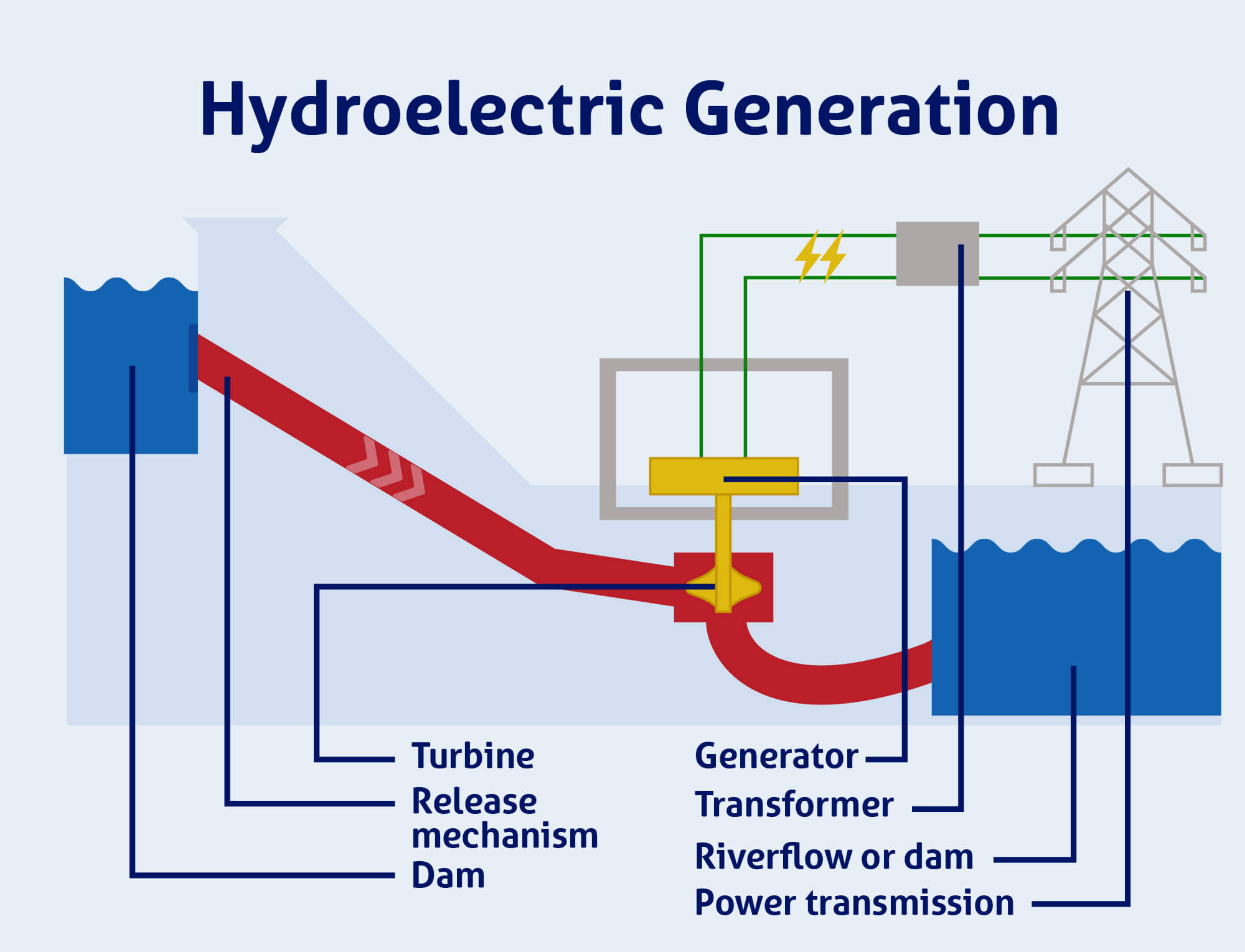
Now, the clever part. At the bottom of the dam, there's a gate. Or several gates, depending on how much electricity they want to make. When they open the gate, the water rushes through like it's late for a very important date (probably a date with a generator).
This rushing water slams into a turbine. Picture a giant water wheel, like the ones from old mills, but way more sophisticated and probably made of something stronger than wood (like titanium, or maybe even vibranium, if we're feeling fancy).
The force of the water makes the turbine spin. This is where the magic happens, folks. This spinning is the key to unlocking electricity. It’s like a water-powered disco ball of energy!
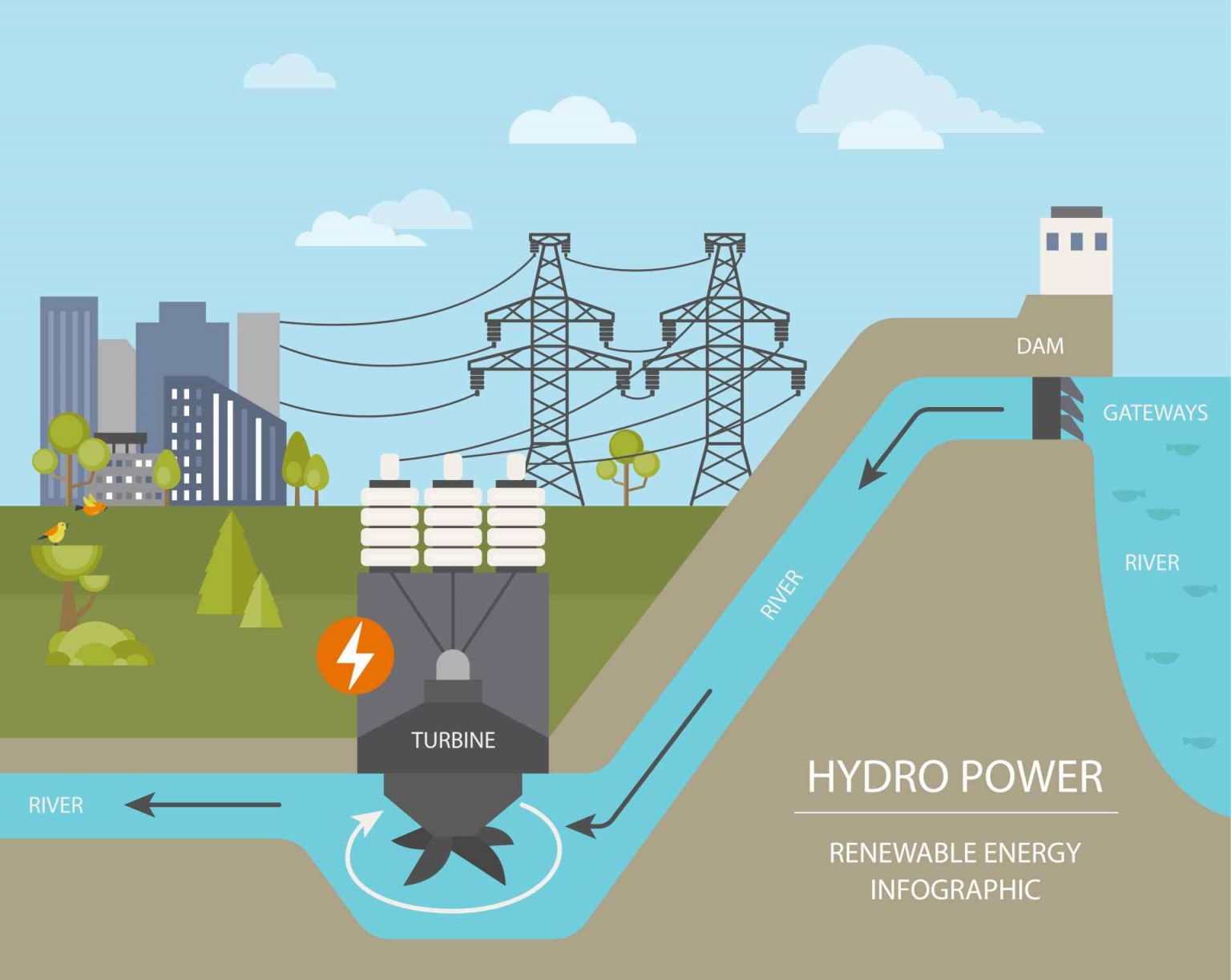
Unpopular opinion: Turbines are way more exciting than windmills. At least you can see the water doing its thing. Windmills are just...there. Whirring. Menacingly.
The Generator Groove
The turbine is connected to a generator. This is the brain of the operation, the maestro of the electrical orchestra. As the turbine spins, it turns the generator, which converts the kinetic energy (the energy of motion) into electrical energy.
Think of it like this: the turbine is doing all the hard work, turning and twirling, while the generator just sits there, humming and collecting the energy. It's the ultimate passive-aggressive relationship.
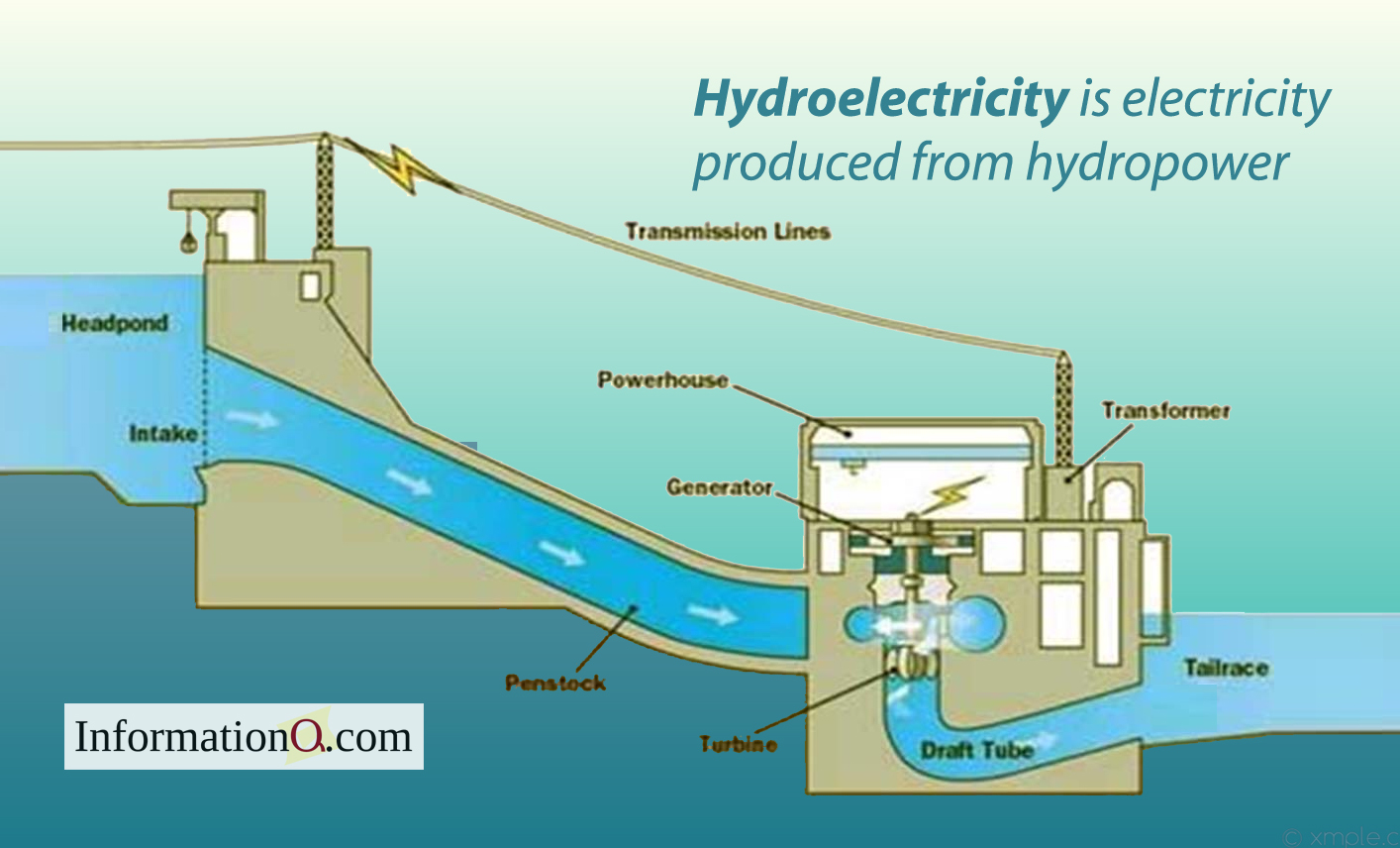
The generator uses some fancy physics involving magnets and coils of wire. I won't bore you with the details (unless you're into that sort of thing, in which case, Google it!), but the end result is electricity! Glorious, usable electricity!
Power to the People (and Toasters)
This electricity is then sent through power lines to your home, your school, your office – everywhere! It powers your lights, your TV, your computer, your toaster… basically everything that makes modern life possible (and keeps you from having to churn butter by hand).
Unpopular opinion: Toasters are severely underappreciated. Think about it. They take bread – perfectly good bread, mind you – and make it even BETTER. Crispy, golden brown, ready for butter and jam. Toasters deserve monuments.
The Flow of It All
And that, my friends, is hydroelectric power in a nutshell. Or, more accurately, in a dam. Water flows, turbine spins, generator hums, electricity flows, toaster triumphs. It's a beautiful, if slightly simplified, cycle.
So, next time you flip a light switch, remember the humble dam and the hardworking water behind it. Give a little thanks to the turbine and the generator. And definitely, definitely thank your toaster.
“Give a little thanks to the turbine and the generator. And definitely, definitely thank your toaster.”
They’re all doing their part to keep your life powered up and your toast perfectly browned. And that's something worth celebrating.