
How Does Hydro Energy Affect The Environment
Alright, settle in, folks! Grab your lattes, because we’re diving headfirst into the murky waters of… hydro energy! Now, before you start picturing me in a lab coat (which, let’s be honest, would look fabulous), I’m just your friendly neighborhood explainer, here to demystify how harnessing the power of water really affects our planet. Spoiler alert: it’s not all sunshine and hydroelectric rainbows.
Dams: The Good, The Bad, and The Really, Really Big
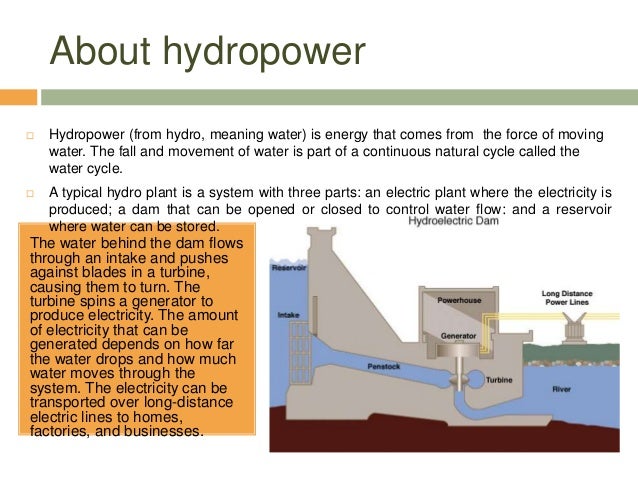
First things first, the cornerstone of hydro energy: dams. These concrete behemoths are like the bodybuilders of the energy world – big, powerful, and occasionally causing drama. On the good side, they give us that sweet, sweet electricity, a reliable source of power that doesn't involve burning fossil fuels and making the planet cough. Think of it as Mother Nature’s very own USB charger. We can also control flooding – which is a major win for anyone who's ever had their basement turn into an impromptu swimming pool.
But…(cue dramatic music)…there's always a "but," isn't there? Dams drastically alter river ecosystems. Imagine someone built a giant wall in your living room. Annoying, right? Now imagine you're a salmon trying to swim upstream to spawn. Suddenly, you’re facing a vertical concrete cliff! Seriously, picture the salmon just looking up at the dam like, "You gotta be kidding me."
Must Read
This is a real problem. Dams block fish migration, impacting their populations and the entire food chain. It's like removing the star ingredient from your favorite sushi – suddenly everything is less… sushi-y.
The Reservoir Ripple Effect
Then there's the reservoir, that big ol' lake that forms behind the dam. Sounds idyllic, right? A tranquil place for waterskiing and questionable tan lines? Well, maybe. But creating these reservoirs often means flooding vast areas of land. We're talking forests, farms, even entire villages. It's like playing a real-life game of SimCity gone wrong. "Oops, I accidentally flooded Grandma's house! My bad!"

And guess what happens to all that decaying plant matter underwater? It releases methane, a potent greenhouse gas. Ironically, this "clean" energy source can contribute to climate change, albeit usually less than fossil fuels. It’s like trying to lose weight by eating salads… covered in bacon grease. Progress, but still…bacon grease.
Did you know? The weight of all that water in a reservoir can actually trigger earthquakes! It's called Reservoir-Induced Seismicity. So, you're not just getting clean energy, you're potentially getting a free geological rollercoaster ride! (Disclaimer: not responsible for resulting motion sickness or tectonic plate shifts.)

What About Run-of-River? A Smoother Flow?
Okay, so dams have their downsides. But what about run-of-river hydro? This method uses the natural flow of the river to generate electricity, without creating a large reservoir. It’s like letting the river do its thing, but with a tiny little turbine politely asking for some energy along the way.
Run-of-river is generally considered more environmentally friendly. Less flooding, fewer methane burps, and happier fish (hopefully). But… (yes, another "but!") …it's also less reliable. The amount of electricity generated depends on the river's flow, which can fluctuate wildly depending on the weather. If the river dries up, so does your power source. It’s like relying on a very moody, very fickle roommate to pay the electricity bill.
The Sediment Situation: A Gritty Reality
One often overlooked issue with dams is sediment flow. Rivers naturally carry sediment (think sand, silt, and gravel) downstream. This sediment is crucial for maintaining healthy ecosystems, replenishing beaches, and preventing coastal erosion. Dams block this flow, starving downstream areas of vital nutrients and causing all sorts of problems. It's like cutting off the circulation to your legs – things are eventually going to start going numb.

Imagine you're a beach bum relying on that sweet, sweet sediment to keep your beach from washing away. Then a dam shows up upstream and suddenly your beach is shrinking. Not cool, man, not cool. Beaches need love too!
The Fish-Friendly Future of Hydro?
Despite the challenges, hydro energy is still a valuable resource. And people are working hard to make it more sustainable. Things like fish ladders help salmon navigate around dams. These are like little water parks designed specifically for fish, complete with carefully placed pools and gentle currents. Hopefully, the salmon appreciate the effort.

We're also seeing more research into dam removal. Sometimes, the best thing we can do for a river is to simply let it be a river again. Think of it as giving the river a spa day – removing all the concrete and letting it flow free.
Ultimately, the environmental impact of hydro energy is complex. It's a trade-off, weighing the benefits of clean electricity against the ecological costs. But with careful planning, innovative technologies, and a healthy dose of respect for our rivers, we can hopefully harness the power of water in a way that's both sustainable and less apocalyptic for the salmon.
Now, who’s buying the next round of lattes?