How Does Carbon Monoxide Get Into The House

There's a fascinating, invisible aspect of our homes that often goes unnoticed until we shine a light on it: the pathways and processes that bring certain elements into our living spaces. While we're not talking about a new art trend or a fun craft project, understanding "How Does Carbon Monoxide Get Into The House" is a topic of immense practical value. It's about empowering ourselves with knowledge, turning a potentially intimidating subject into a clear, actionable understanding for every homeowner and resident. Think of it as mastering the hidden mechanics of your home's safety!
For everyone from the conscientious homeowner to the curious tenant, gaining insight into carbon monoxide (CO) is incredibly beneficial. It's not about being an expert, but about becoming a more informed protector of your personal sanctuary. This knowledge equips you not just to react, but to proactively prevent. There’s a quiet satisfaction in knowing you’ve taken steps to ensure the well-being of your loved ones, a true triumph of preparedness.
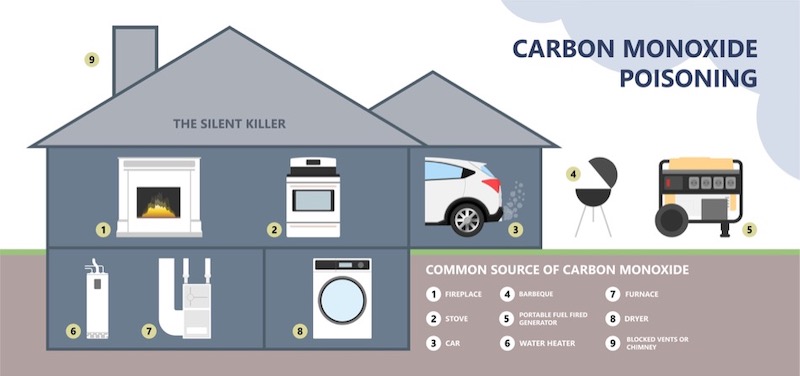
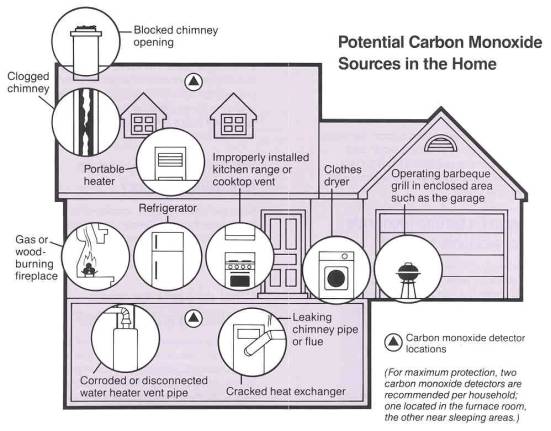
So, how exactly does this "silent guest" find its way in? Carbon monoxide is produced whenever fuels (like gasoline, wood, propane, charcoal, or natural gas) are burned incompletely. Common culprits in and around the house include things like furnaces, gas water heaters, clothes dryers, fireplaces, wood-burning stoves, and gas ovens. When these appliances aren't properly maintained or vented, or if vents become blocked, CO can build up. For instance, a cracked heat exchanger in a furnace, a blocked chimney flue from a fireplace, or running a portable generator too close to a window or door can all be pathways. Even a car idling in an attached garage can send dangerous levels of CO into your living space. Understanding these varied sources helps paint a complete picture of the potential risks.
Must Read
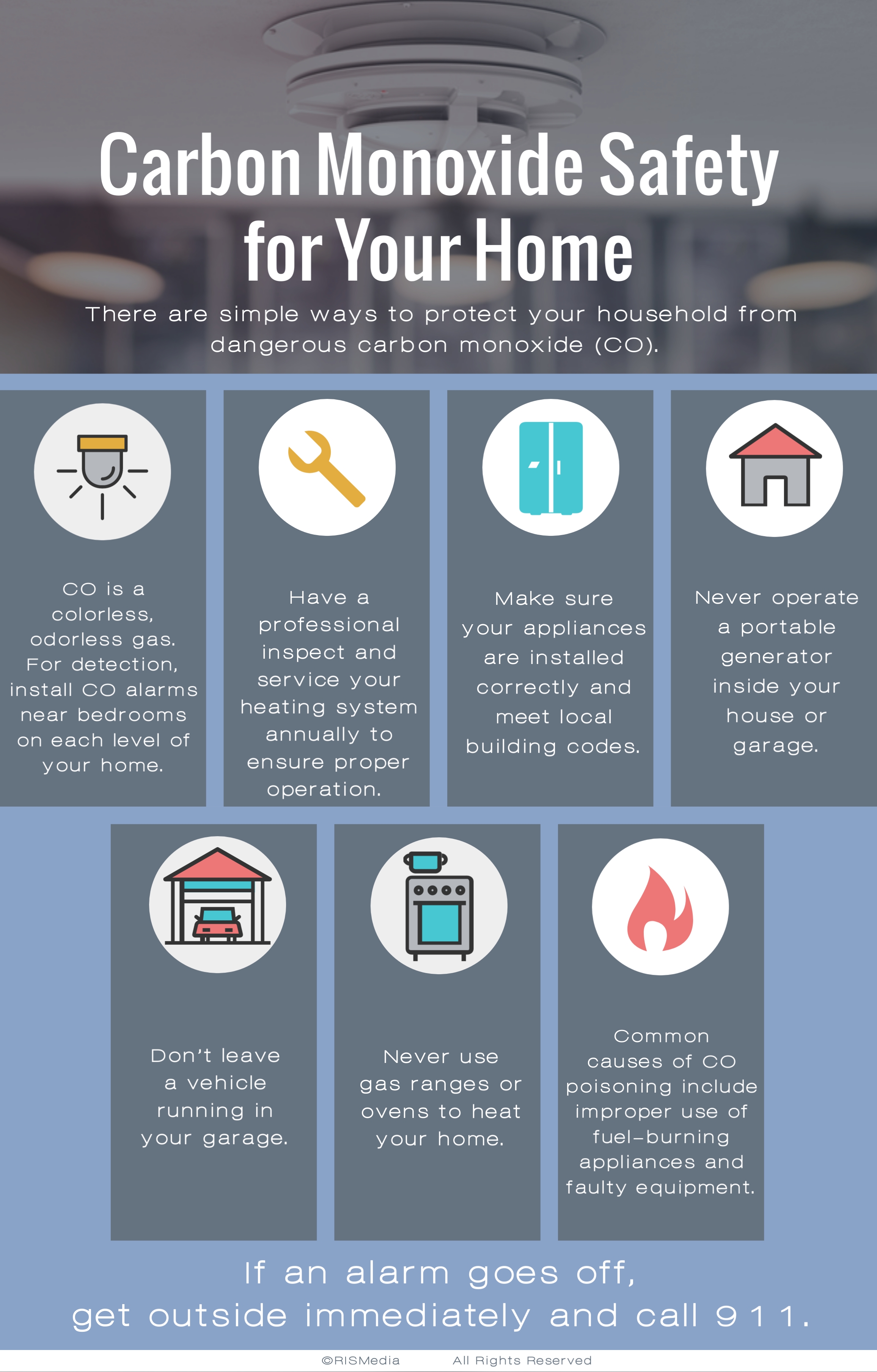
Ready to put this knowledge into action? Here are a few "tips for trying it at home," focused on prevention: Firstly, ensure all fuel-burning appliances are inspected annually by a qualified technician. This is your number one defense! Secondly, never use a gas oven to heat your home, and never run a car or generator inside an attached garage. Thirdly, and perhaps most crucially, install CO detectors on every level of your home, especially near sleeping areas. Treat them like smoke detectors – they are life-saving devices. Test them regularly, just as you would your smoke alarms.
Ultimately, learning about CO and taking simple preventative steps isn't about fear; it's about peace of mind. It's truly enjoyable to know you've taken control, fortified your home, and ensured that the air you breathe is safe. This understanding transforms potential anxiety into empowering confidence, making your home not just a place to live, but a haven of assured safety.