How Does Biomass Energy Affect The Environment
Okay, folks, let's talk about something a little... prickly. Biomass energy! We're told it's green. We're told it's renewable. We're told it's going to save the planet. But is it really all sunshine and daisy chains? I'm not so sure.
Now, before the eco-police come knocking, let me clarify. I'm not saying biomass is evil incarnate. It’s just… complicated. You know, like that relationship you had with your high school sweetheart? It seemed perfect on paper, but reality was a whole different kettle of fish.
The "Carbon Neutral" Conundrum
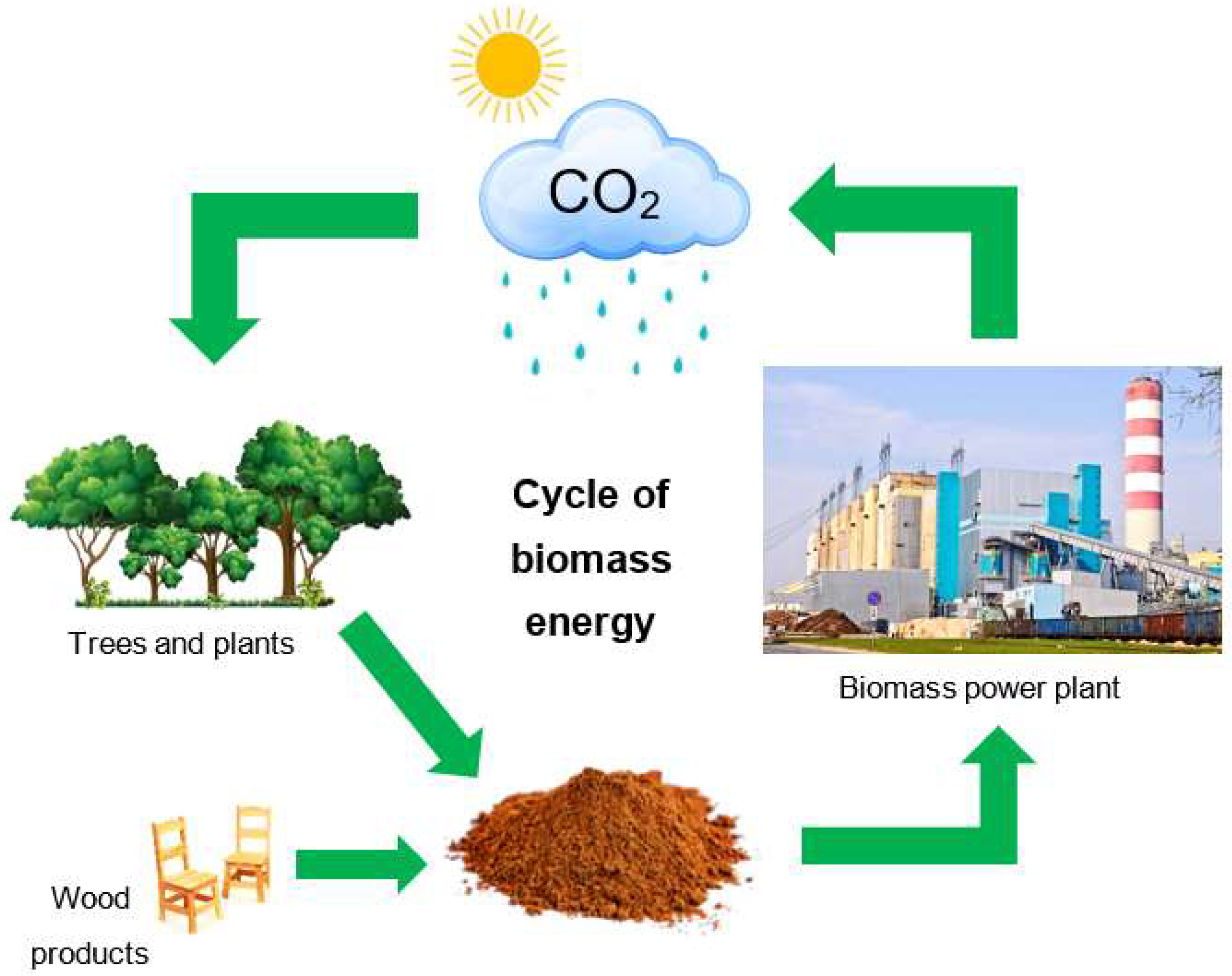
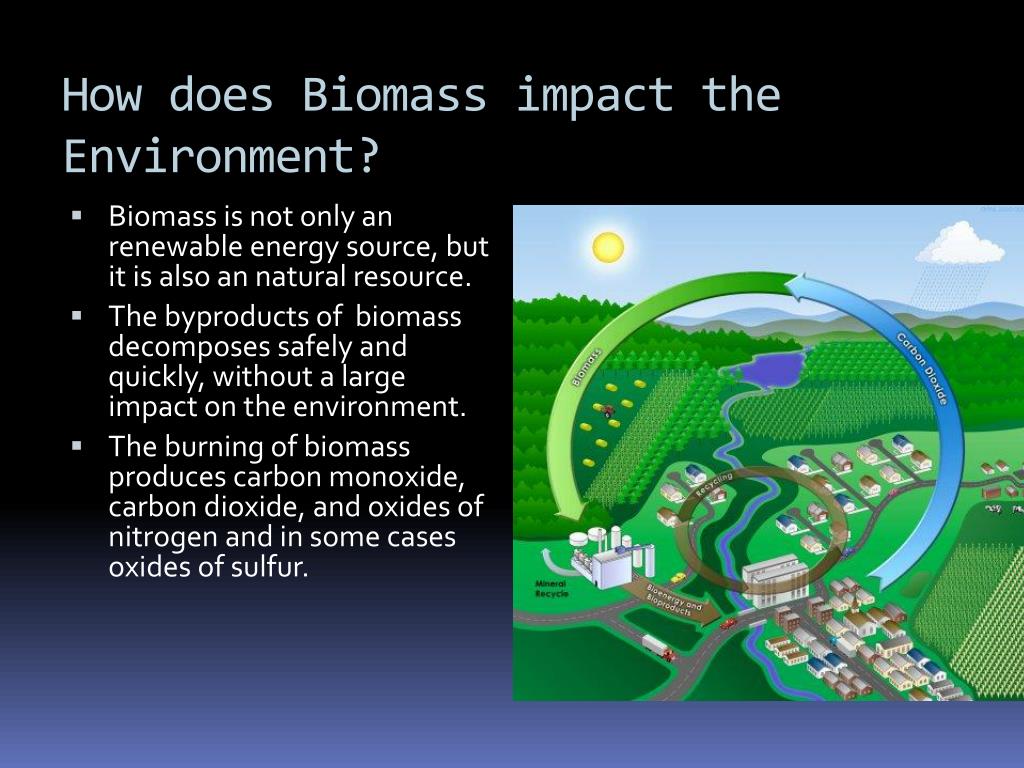
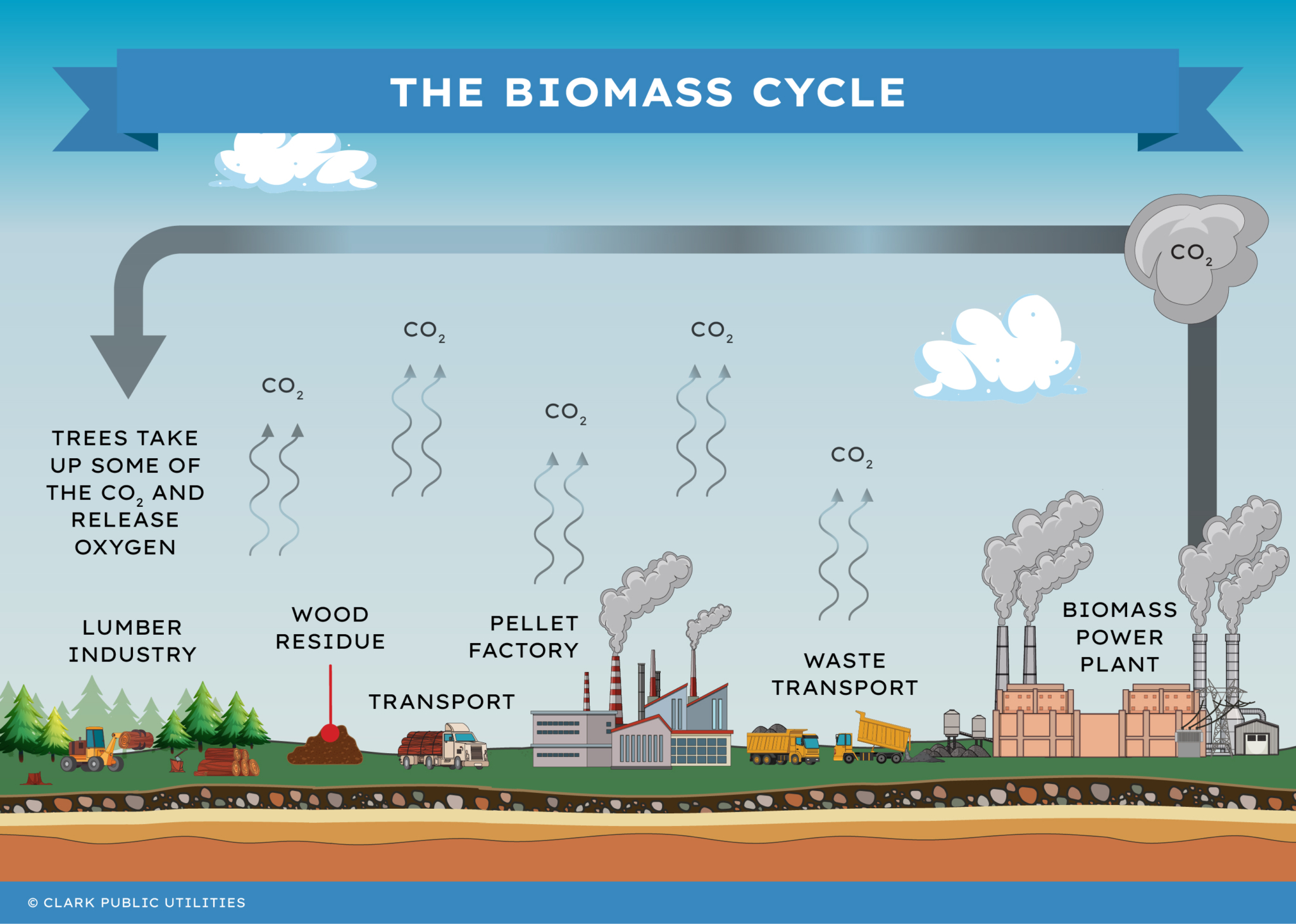
The big selling point of biomass is that it's supposedly "carbon neutral." The idea is that you burn plants (trees, crops, etc.), which releases carbon dioxide. But then you grow more plants, which absorb that CO2 back from the atmosphere. Voila! Perfectly balanced, as all things should be… right?
Must Read
Well, hold your horses. What about the energy it takes to harvest those plants? The fuel for the trucks? The fertilizer used to help them grow faster? All that contributes to carbon emissions. Suddenly, our "carbon neutral" fuel starts looking a little less… neutral.
And let’s be honest, how quickly do trees really grow? We're burning them for energy now. It takes decades for them to suck that carbon back up. That's a long time to be pumping extra CO2 into the atmosphere. I mean, my avocado toast is already stale by then! It might be carbon neutral… eventually. Maybe. If we're lucky.
Bye-Bye Biodiversity
Then there's the land issue. Where do you grow all these plants for biomass? Often, it means clearing forests or converting other valuable habitats. That's bad news for biodiversity. We're talking about losing homes for countless critters, from fluffy squirrels to those creepy-crawly things that keep the ecosystem humming.
Replacing a diverse forest with a monoculture of, say, fast-growing trees? That’s like replacing a gourmet buffet with a single, slightly-stale breadstick. Sure, you're getting something, but you're missing out on a whole lot of flavor and nutrition. It just doesn’t feel right.
Air Pollution Blues
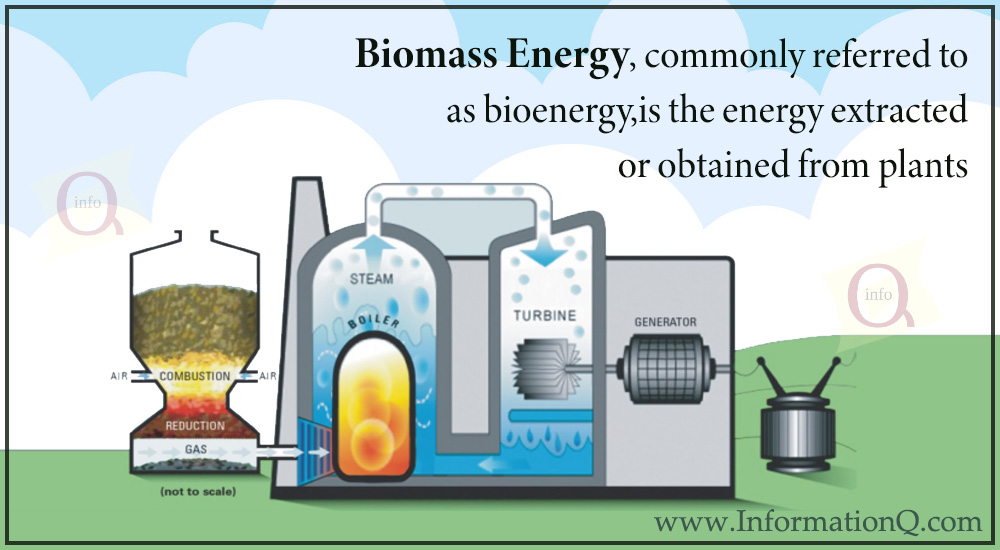
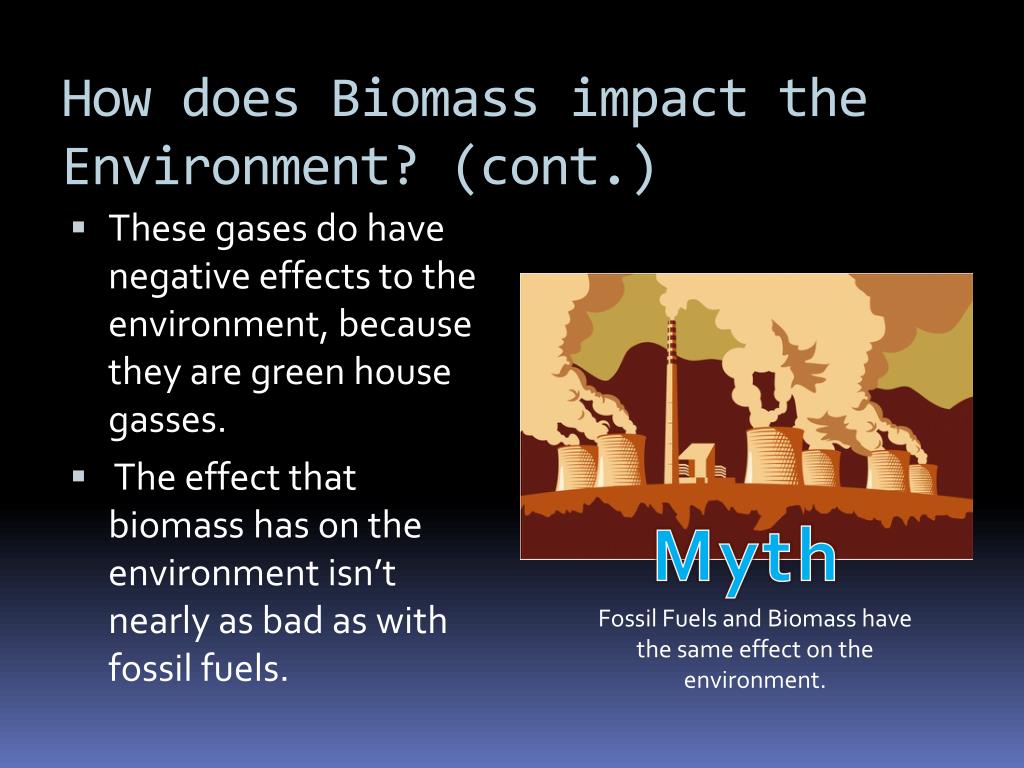
And let's not forget about air pollution. Burning biomass, like burning anything, releases particulate matter and other pollutants. These can irritate your lungs, worsen asthma, and generally make breathing a less-than-pleasant experience. Nobody wants that!
Sure, modern biomass power plants are supposed to have fancy filters and scrubbers to reduce emissions. But are they always working perfectly? Are they always maintained properly? I'm a natural skeptic. My faith in humanity is about as strong as a wet paper bag. Remember Volkswagen's diesel scandal? Yeah, me too.
My (Potentially Unpopular) Opinion
So, here's my slightly controversial take: Biomass energy isn't the silver bullet we've been led to believe. It’s not some magical unicorn farting rainbows of renewable energy. It has its drawbacks, and we need to be honest about them.
Maybe, just maybe, we should focus more on other renewables like solar and wind. They’re not perfect either, of course. But they don’t involve chopping down forests or turning food crops into fuel. Seems like a better bet to me.
I'm not saying we should ditch biomass entirely. It might have a role to play in a diverse energy mix. But let’s not pretend it’s some pristine, guilt-free source of power. Let's be realistic about its impact on the environment, and let's keep searching for truly sustainable solutions. Maybe the future is some fusion energy.
And now, if you'll excuse me, I'm going to go hug a tree. (A sustainably-harvested tree, of course.)