
How Does An Oven Work Electric
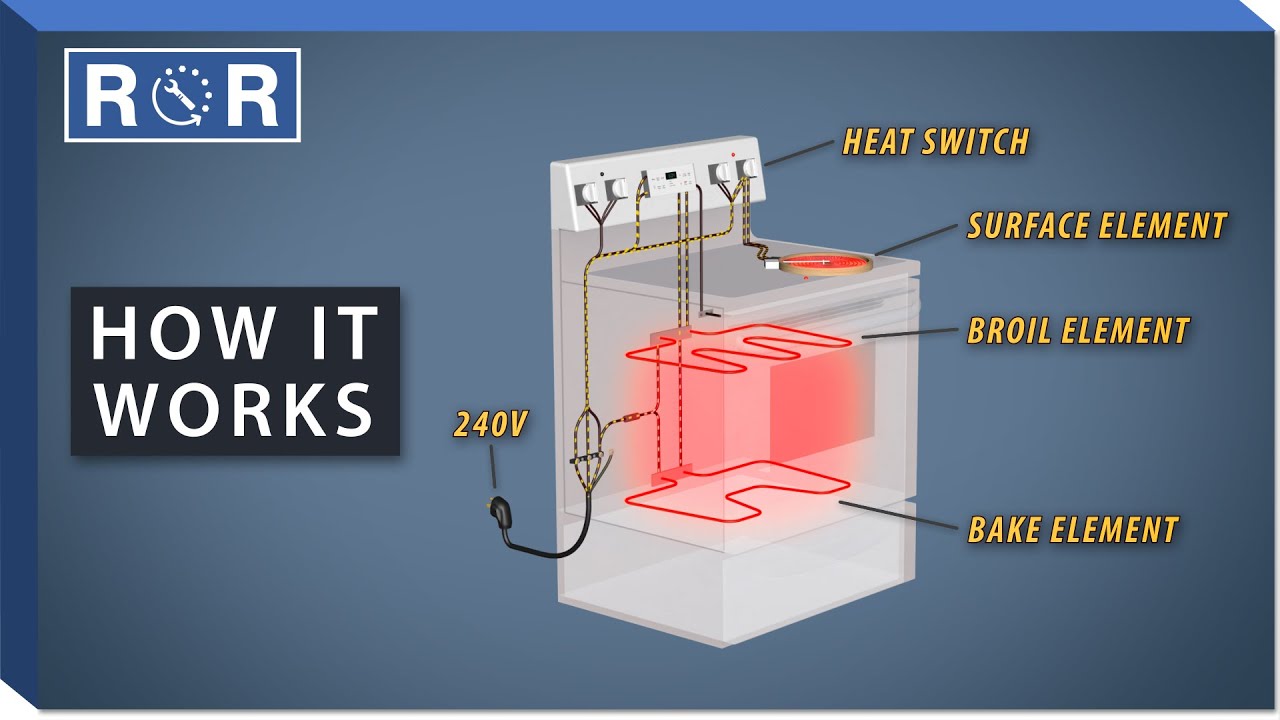
Okay, real talk for a second. Have you ever preheated your oven, slid in that tray of soon-to-be-golden-brown cookies, or maybe that lasagna destined for cheesy glory, and just... walked away, trusting the process? Like, a blind faith in the magic box? I totally have. Many times. And usually, it works out! But sometimes, I’d peek in, see the elements glowing, and think, "How in the actual heck is this even happening? How does this box just... make things hot and keep them hot?" If you've ever had a similar moment of kitchen curiosity, welcome to the club! Today, we're pulling back the curtain on the silent workhorse of your kitchen: the electric oven.
No wizards, no dragons (sadly), just some pretty clever physics at play. Turns out, your electric oven isn't just waving a magic wand; it's using a very specific scientific principle to turn cold dough into warm deliciousness. And honestly, once you get it, it feels a little less like magic and a lot more like, well, genius.
The Big Secret: Resistance is NOT Futile Here!
At the heart of every electric oven are its heating elements. You know, those glowy coils you see at the top and bottom? They're usually made from a special wire, often an alloy called nichrome (a mix of nickel and chromium). Why nichrome? Because it’s got a superpower: it has a high electrical resistance, and it can handle super high temperatures without melting. Pretty important when you're baking at 400°F, right?
Must Read
So, when you turn your oven on, electricity flows through these nichrome wires. But because they resist that flow, they get seriously, incredibly hot. Think of it like trying to push a lot of water through a narrow pipe – it creates pressure and friction, which in the case of electricity and nichrome, translates directly into heat. This is called Joule heating, for you science buffs out there. Pretty neat, huh? And voilà, your oven starts getting toasty!
Most ovens have at least two main elements: one at the bottom (the bake element) for general cooking and even heating from below, and one at the top (the broil element) which gets much hotter and cooks with more direct, intense heat from above, perfect for crisping or browning.

Keeping it Steady: The Brains of the Operation
But getting hot is one thing; staying precisely at 375°F for an hour is another. That’s where your oven’s brain, the thermostat (or a fancy electronic control board with a temperature sensor), comes into play. There’s a little sensor, usually tucked away inside the oven cavity, that constantly monitors the internal temperature.
When you set your desired temperature, the oven kicks into gear, turning on the heating elements full blast. Once that sensor detects the oven has reached your target temp, it tells the control board to cycle the elements off. As the temperature inevitably starts to drop a little, the sensor signals the control board to turn them back on again, just for a bit. This continuous on-and-off cycling is why the elements glow, then dim, then glow again. It’s not your oven having a seizure; it’s just doing its job, precisely maintaining that consistent heat for your perfect roast chicken. Clever stuff!

Trapping the Warmth: It's All About Insulation, Baby!
Imagine if your oven was just a metal box with hot coils. You’d probably burn your hand every time you walked by, and your kitchen would become a sauna! That’s why insulation is super important. The walls of your oven are packed with insulating materials (often fiberglass or ceramic fiber) that are really good at trapping heat inside.
This does two things: first, it makes your oven more energy-efficient, because it’s not constantly losing heat to the outside world. And second, it keeps the outer surfaces of the oven cool enough to touch (mostly!) and your kitchen from turning into an inferno. It’s all about creating a contained, controlled environment for your culinary masterpieces.

Bonus Round: What's All This "Convection" Fuss About?
Many modern electric ovens come with a convection setting. What's that about? Simply put, it adds a fan. This fan circulates the hot air inside the oven, distributing the heat much more evenly and sometimes speeding up cooking times. Ever notice one side of your cookies browning faster than the other? Convection aims to fix that by making sure every nook and cranny gets equal heat love. It’s like adding a little air conditioning unit, but for heat!
So, Why Should You Even Care?
Understanding how your electric oven works isn't just for kitchen geeks (though, if you are one, high five!). It helps you be a better cook! You'll appreciate why preheating is so crucial (it allows the whole cavity to stabilize at the right temp, not just the elements), and why you shouldn't constantly open the door (you're letting all that carefully managed heat escape!). Plus, if something ever goes wrong, you'll have a better idea of whether it's the element, the thermostat, or just user error (no judgment here, we've all been there).
So next time you're waiting for those crispy fries or that fluffy soufflé, take a moment to appreciate the unsung hero of your kitchen. It’s not magic, it’s science, and it’s pretty darn delicious science at that!
