How Does An Led Light Bulb Work
In a world often illuminated by the glow of screens and the soft hum of smart devices, one unassuming marvel quietly powers much of our modern brilliance: the LED light bulb. From the vibrant backlighting of your smartphone to the mood-setting lamps in a cozy café, these little powerhouses of light are everywhere. But beyond their ubiquity, there's a fascinating, surprisingly simple magic at play that makes them incredibly valuable for artists, hobbyists, and anyone curious about the tech that lights up their life.
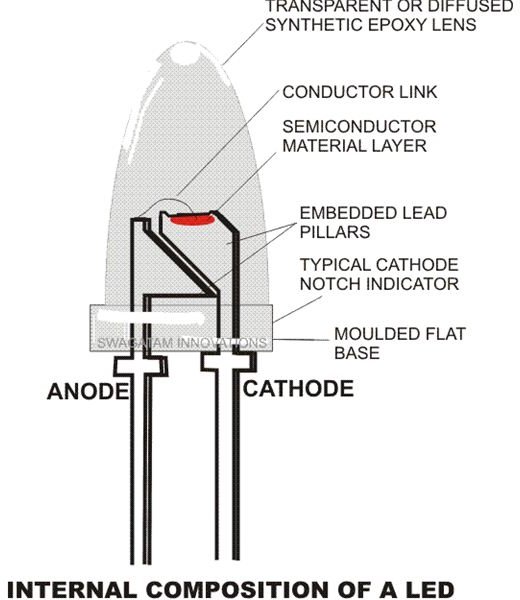
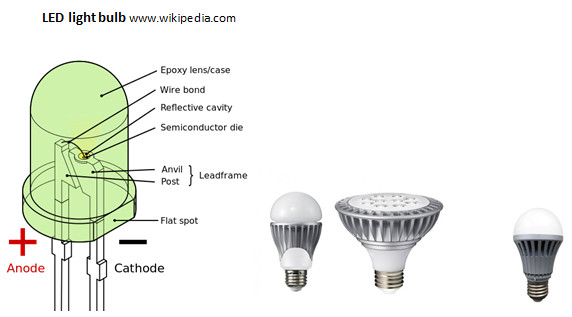
For the creatively inclined, understanding how an LED light bulb works isn't just a technical exercise; it's unlocking a new palette. At its heart, an LED, or Light-Emitting Diode, is a tiny semiconductor device. Imagine a microscopic dance floor where electrons, energized by a small electric current, jump between different energy levels within a special material. When they 'land,' they release their excess energy as tiny packets of light, called photons. Different materials in the diode create different colors of light! This 'cold light' process means LEDs are incredibly efficient, turning most of their energy into light instead of wasteful heat. That's why they're cool to the touch and sip electricity, making them perfect for long-lasting art installations or battery-powered gadgets.
The benefits are manifold. Artists adore their precision and control over color and intensity, allowing for intricate light installations, illuminated sculptures, or dynamic stage lighting without the heat concerns of traditional bulbs. Hobbyists revel in their low power consumption and small size, making them ideal for everything from custom smart home lighting to dazzling wearable tech and intricate model dioramas. Casual learners gain a tangible understanding of basic electronics and the underlying physics of light, appreciating the clever engineering behind everyday objects.
Must Read
Think of the possibilities! You could craft a multi-colored LED art piece that slowly shifts through the spectrum, creating a tranquil ambiance. Imagine building a miniature city with streetlights that realistically dim and brighten, or designing a costume that literally glows. With addressable LED strips, each tiny light can be individually controlled, opening doors to mesmerizing animations and interactive light shows, transforming spaces or objects with bursts of programmable color and movement. The styles are endless: from minimalist modern designs emphasizing clean lines to playful, vibrant installations that pop with personality.
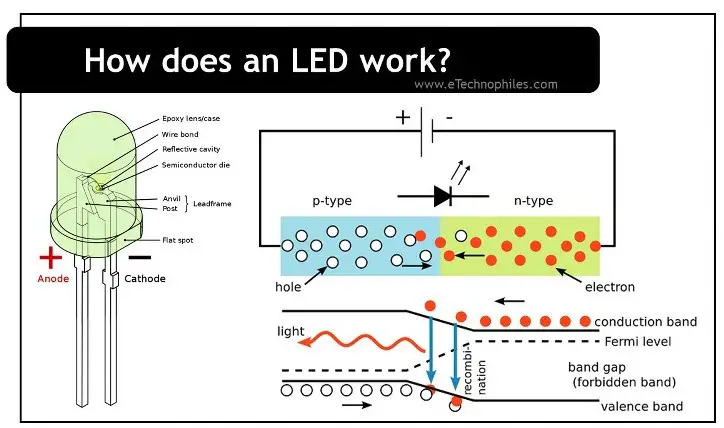
Ready to try your hand at some light-emitting wizardry? Getting started is easier than you think. You don't need to build a full LED light bulb, but you can explore its fundamental components. Grab a simple starter kit from an electronics hobby store (online or local). These often include a basic LED, a coin cell battery, and a resistor (a tiny component that limits current to protect your LED). There are countless online tutorials, often with helpful videos, that walk you through connecting a simple circuit to light up your first LED. You could try making a simple blinking light, a tiny night light, or even illuminating a small craft project. Just remember: LEDs typically have a 'long leg' (anode) and a 'short leg' (cathode) that need to be connected correctly to the positive and negative terminals of your power source.
Ultimately, the joy of understanding how an LED light bulb works and playing with these little beacons of brightness is deeply satisfying. It's about demystifying technology, connecting with the creative spark within, and discovering that a little bit of science can indeed lead to a lot of beautiful, energy-efficient light. So go ahead, shine a little brighter!