
How Does An Electric Bill Work
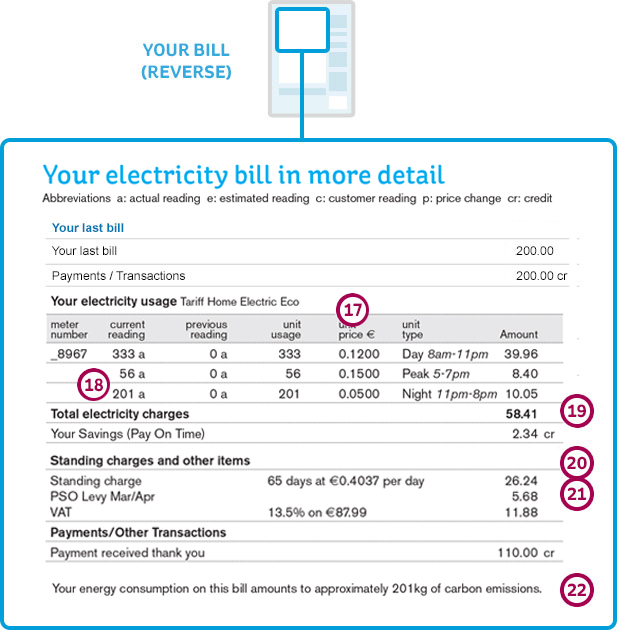
Have you ever stared at your electric bill, a paper (or digital) mosaic of numbers, and felt a tiny spark of bewilderment? It arrives faithfully, month after month, demanding your attention and a portion of your hard-earned cash. Yet, for many of us, it remains a bit of a mystery, a necessary evil rather than a fascinating story.
But what if we told you that your electric bill isn't just a bill? It's a vibrant, sometimes humorous, sometimes poignant, tale of your home's daily life. It’s a snapshot of every late-night movie marathon, every comforting morning coffee, and every burst of air conditioning during a scorching summer.
Let's unravel this mystery together, not with daunting jargon, but with a sprinkle of fun and a dash of wonder. You might just find a new appreciation for those glowing digits.
Must Read
The Star of the Show: The Kilowatt-Hour (kWh)
Imagine energy as a busy little worker, diligently powering all your favorite gadgets and comforts. The way we measure the amount of work these energy workers do is in something called a kilowatt-hour, or kWh. Think of it as a standard unit, much like how you buy milk by the liter or gas by the gallon.
One kWh is essentially 1,000 watts of power running for one hour. So, if you leave a 100-watt light bulb on for 10 hours, you've used 1 kWh. It’s the foundational building block of your bill, the very currency of your home's energy consumption.
Meet Your Home's Energy Hogs and Mice
Every appliance in your home consumes energy, but not all are created equal. Your central air conditioner or heating system, for example, is often a hefty energy hog, working tirelessly to keep you comfortable. Running it for hours on end significantly contributes to your monthly kWh total.
Then there are the quieter, more modest energy mice. Your phone charger, a small LED lamp, or even your toaster typically use much less power. They nibble at your energy supply rather than gobbling it up, making them less impactful on their own, but they do add up.
"My kids' gaming console? Definitely an energy hog! But the joy on their faces during a virtual adventure? Priceless!"
Sometimes, though, even the small devices can surprise you. Ever heard of vampire drain? It’s not spooky, but it’s certainly sneaky. Many electronics continue to draw a small amount of power even when they're turned off, just waiting in standby mode.
Your TV, gaming consoles, and even coffee makers might be quietly sipping electricity around the clock. Unplugging these phantom power users can surprisingly shave a few dollars off your bill over time, like finding forgotten change in your couch cushions. It’s a small, satisfying victory against the hidden energy nibblers.
The Silent Watcher: Your Electric Meter
So, how does the electric company know how many kWh you've used? Enter the humble electric meter. For decades, a spinning dial on the side of your house faithfully recorded every unit of energy consumed. A human meter reader would visit, peek at the numbers, and send the data to the power company.
These days, many homes have embraced the magic of smart meters. These clever devices transmit your usage data wirelessly, like a tiny digital messenger. No more surprise visits from the meter reader, just seamless, constant communication.
It's like having a little guardian angel for your energy, silently counting every spark and flicker. Sometimes, knowing this can even motivate us to be more mindful, as if the meter itself is cheering us on to save energy.
The Price Tag: Rates and Tariffs
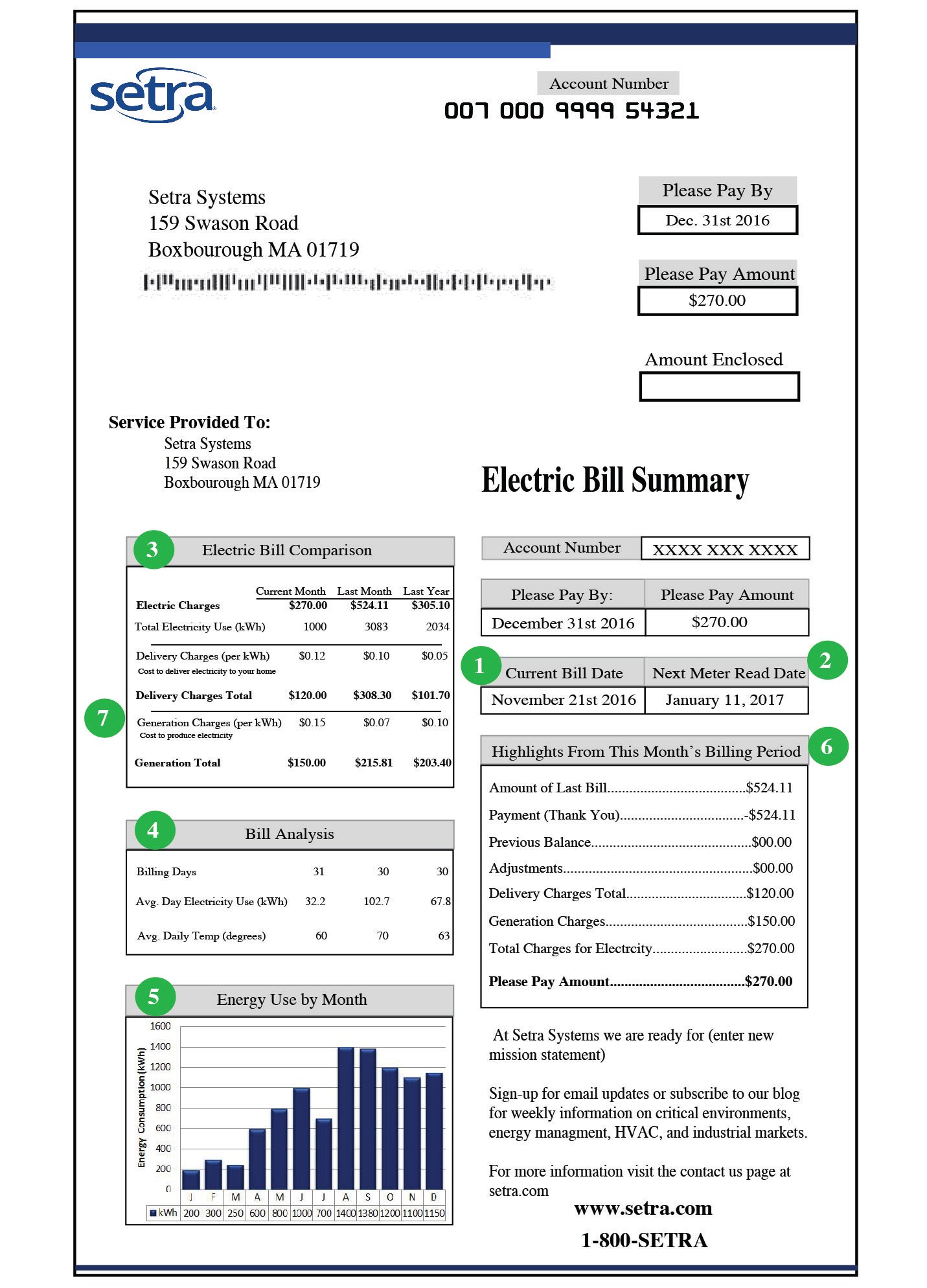
Knowing how much energy you use is only half the story. The other half is how much you pay for each kWh. This is where rates and tariffs come in – essentially, the pricing plan your utility company uses.
Some utilities offer a flat rate, meaning every kWh costs the same, no matter when you use it. It’s straightforward and easy to understand, like buying candy at a fixed price per piece.
The Midnight Disco: Time-of-Use Rates
However, many areas now have Time-of-Use (TOU) rates, and this is where the fun really begins! With TOU, electricity costs different amounts depending on the time of day. Energy is typically more expensive during peak hours, usually late afternoon and early evening when everyone is coming home, cooking, and turning on their lights and AC.
Off-peak hours, often late at night or early in the morning, are significantly cheaper. This system encourages us to shift our energy-intensive tasks to less busy times. Imagine doing a load of laundry at 10 PM because you know it's cheaper!
"My husband and I call it our 'midnight dishwasher club.' We load it after dinner and hit start just before bed, knowing we're saving a few pennies. It's our little secret victory against peak pricing!"
This can turn energy saving into a delightful game. You become a strategic planner, timing your chores and device charging to outsmart the peak rates. It's a small thrill, a quiet celebration of smart living.

The "Base Fee": Just for Being Connected
Even if you went on a month-long silent retreat and used absolutely no electricity, you'd likely still see a charge on your bill. This is usually called a service charge, fixed charge, or customer charge. It’s the cost of simply being connected to the grid, for the power lines, maintenance, and infrastructure that bring electricity to your home.
Think of it as the monthly rent for your electrical hookup. It ensures that the lights are ready to come on the moment you flip a switch, a small price for the immense convenience and reliability we often take for granted. It's the silent promise of light, always there.
Beyond Usage: Other Charges
Your electric bill isn't just about how much energy you use or the basic cost of being connected. There are often smaller, less obvious charges that contribute to the final total. These might include taxes, surcharges for environmental programs, or fees related to energy efficiency initiatives.
While they might seem like extra fluff, these charges often play a vital role. They could be funding projects that help transition to renewable energy sources, maintain the reliability of the grid, or even support low-income assistance programs. In a way, these small contributions are your part in building a better, more sustainable energy future.
It's a heartwarming thought that even a tiny portion of your bill might be contributing to something bigger. It’s not just about powering your home; it's about investing in the community and the planet.
Putting It All Together: The Grand Total
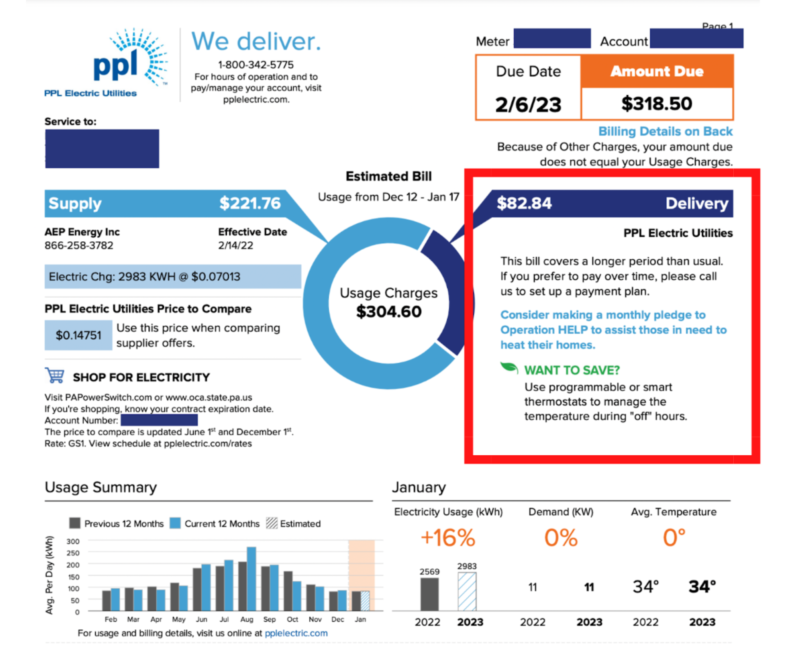
When you finally arrive at that bold, underlined number at the bottom of your bill, you're not just looking at a financial demand. You're seeing the culmination of your home's entire energy story for the past month.
It's the sum of all your morning routines, evening relaxation, and everything in between. It reflects your attempts at energy saving, your necessary indulgences, and the quiet background hum of your appliances. Every penny tells a tale of comfort, convenience, and connection.
The electric bill, once a source of mild confusion, can now be seen as a report card of your daily energy dance. It encourages a little friendly competition with yourself, a challenge to see if you can nudge those numbers down with smart habits.
From the powerful roar of your central AC to the gentle glow of an LED bulb, your electric bill is a testament to the incredible energy that powers our modern lives. It’s a story of convenience, innovation, and sometimes, a humorous reminder to turn off the lights when you leave a room.
So next time your electric bill arrives, don't just sigh and pay it. Take a moment to appreciate the journey of those kilowatt-hours, the silent work of your meter, and the heartwarming efforts to keep our world powered. It’s more than just a bill; it’s the heartbeat of your home.