How Does A Wind Generator Produce Electricity
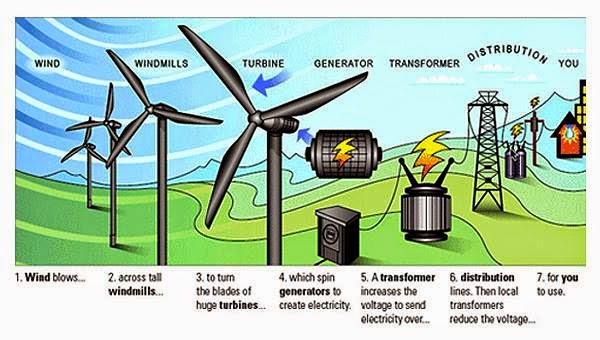
Wind generators, or windmills as many affectionately call them, are more than just quaint additions to landscapes these days. They're popping up in everything from tiny home projects to massive wind farms, capturing the imagination of artists, hobbyists, and environmentally conscious individuals alike. But have you ever wondered exactly how these spinning beauties transform wind into the electricity we use every day? It's surprisingly straightforward, and understanding the process can be incredibly rewarding.
For artists, a grasp of wind generator mechanics can unlock a new level of creativity. Imagine crafting kinetic sculptures that not only move with the wind but also power integrated lighting or sound elements. Hobbyists can delve into the world of renewable energy, building their own small-scale wind turbines to power garden features or charge portable devices. And for the simply curious, understanding the science behind wind power demystifies a crucial aspect of modern energy production.
The variations in wind generator designs are fascinating. You've got the classic horizontal-axis turbines, instantly recognizable with their three blades elegantly slicing through the air. Then there are vertical-axis turbines, like the Darrieus model (often resembling an eggbeater) and the Savonius rotor (perfect for low-wind conditions). Artists might draw inspiration from these different forms, incorporating their shapes into paintings, sculptures, or even digital art. Consider a painting that captures the dynamism of a wind farm at sunset, or a sculpture that mimics the graceful curve of a turbine blade.
Must Read
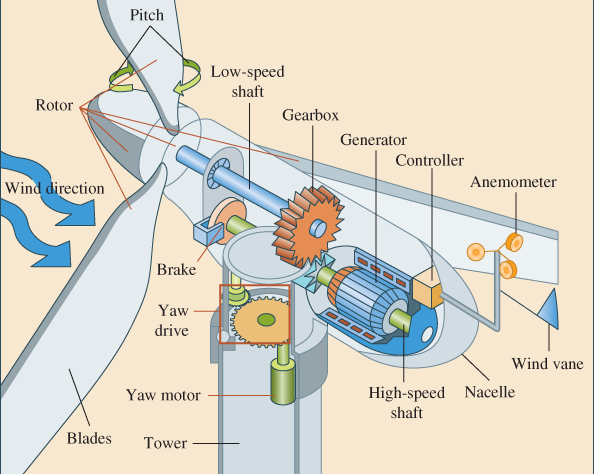
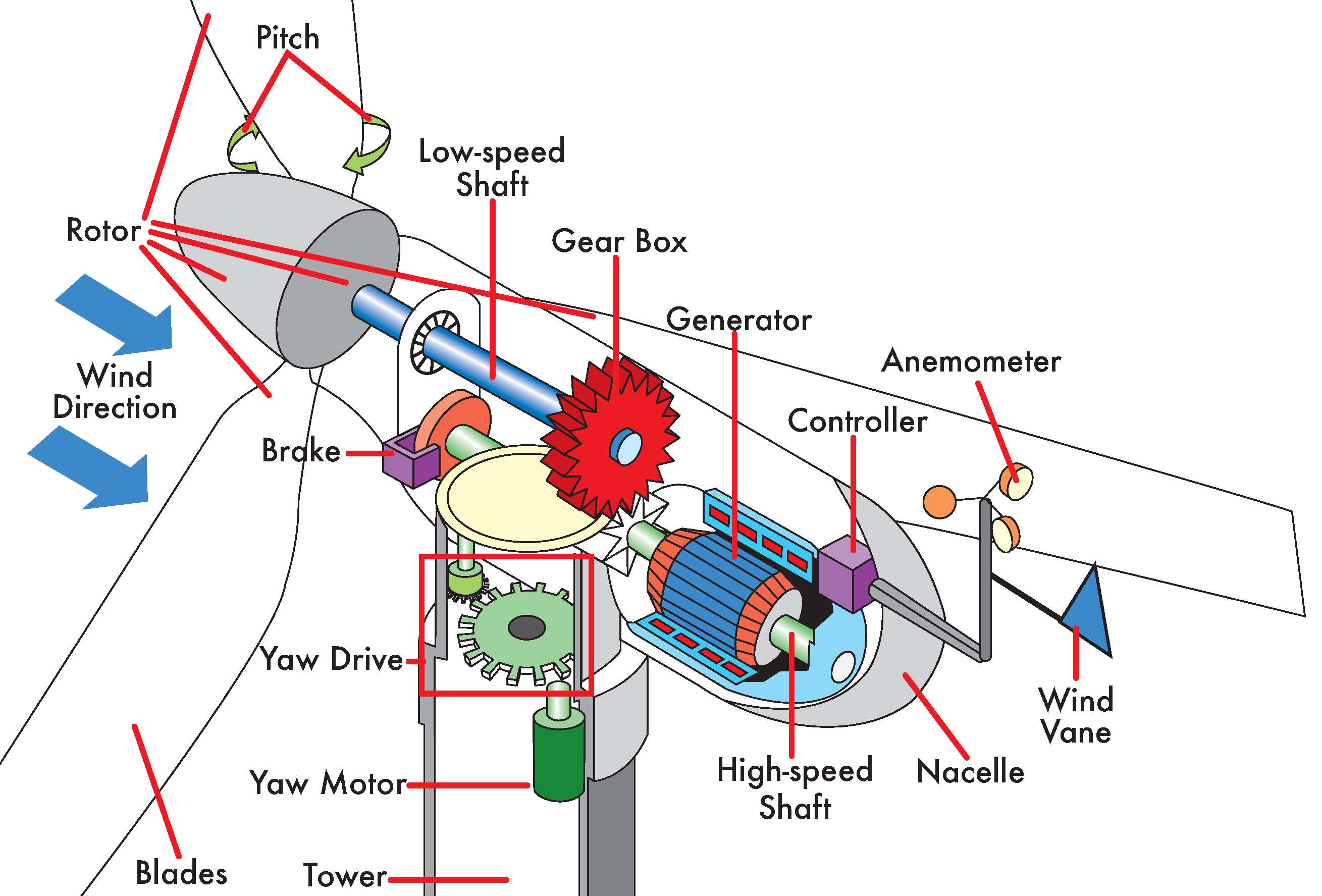
So, how does it all work? The key is understanding the principle of electromagnetic induction. Wind turns the blades of the turbine, which are connected to a shaft. This shaft is connected to a generator. Inside the generator, you have magnets and coils of wire. As the shaft spins, it causes the magnets to rotate past the coils of wire. This movement induces an electric current in the wires. Think of it like a river flowing through a pipe – the wind is the force, the blades are the paddles, and the generator is the system that converts that motion into usable energy.
Want to try a simplified version at home? You can build a miniature wind generator using readily available materials! Start with a small DC motor (easily salvaged from old toys). Attach lightweight blades made from cardboard or plastic to the motor's shaft. Point a fan at your homemade turbine and watch as the blades spin, generating a small amount of electricity. You can even connect an LED to see the fruits of your labor. Remember safety first - always supervise children and avoid working with high voltages.
Exploring wind energy is not just about understanding the science; it's about connecting with a sustainable future. Building a small wind generator, creating art inspired by wind power, or simply understanding how it works can be incredibly satisfying. It's a tangible way to engage with the natural world and contribute to a cleaner, greener tomorrow. The feeling of harnessing the power of the wind, even in a small way, is a unique and enjoyable experience, leaving you with a sense of accomplishment and a deeper appreciation for the ingenuity of renewable energy technologies.