How Does A Turbine Work To Produce Electricity
Okay, let's talk turbines. Everyone's heard of them, right? They're like the workhorses of our electricity grid. But honestly, for something so important, explaining how they actually work can feel a bit like trying to explain interpretive dance to your grandma. It looks impressive, but… what’s really going on?
The Basic Idea (Hold onto Your Hats!)
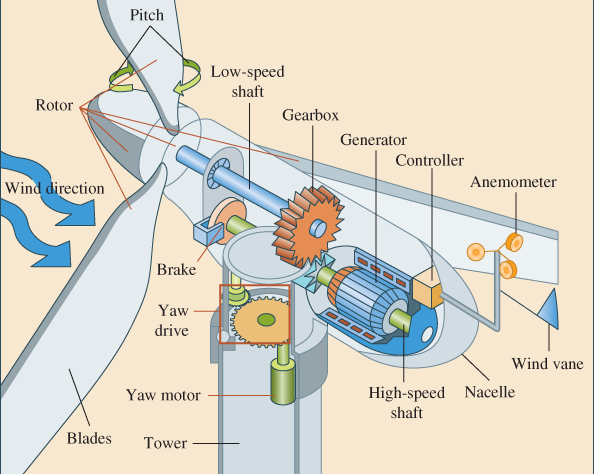
Imagine a really, really fancy windmill. That’s kind of it! Seriously. Okay, okay, it's a bit more complicated. But the core concept is the same: something makes blades spin. And that spinning magically (well, scientifically) turns into electricity. Think of it like this: you’re pushing a kid on a swing. You’re putting in the effort, they're swinging – that's energy transfer! The turbine’s blades are the kid, and something else is doing the pushing.
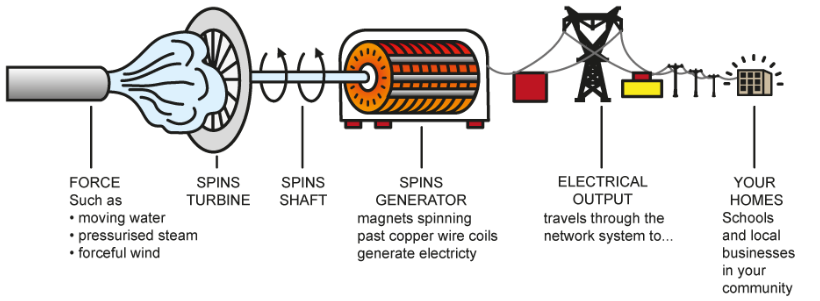
This "something else" could be a few different things. It's usually steam, water, or wind. But it’s all about getting those blades to whirl!
Must Read
So, Where Does the "Push" Come From?
This is where things get interesting (and slightly less like interpretive dance). Here are a few common ways we push those turbine blades:
- Steam Turbines: These are probably the most common. You boil water (usually with something like coal, natural gas, or even nuclear power – don't get me started on nuclear!), and that creates high-pressure steam. This steam blasts onto the turbine blades, making them spin like crazy.
- Hydro Turbines: Think of a powerful waterfall. Now, stick a turbine in the path of that waterfall. The water rushing past the blades makes them spin. Simple, elegant, and (dare I say) hydro-tastic!
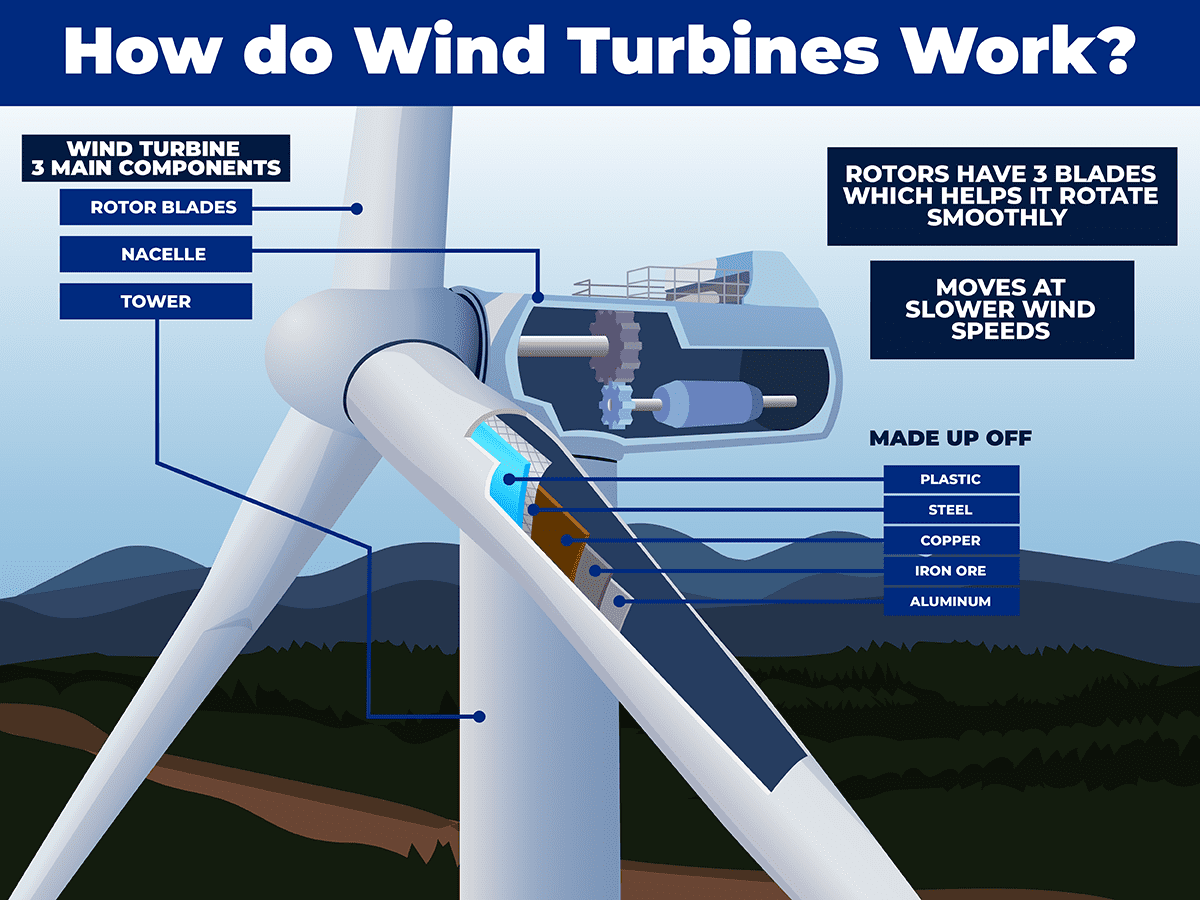
- Wind Turbines: Okay, these are the ones everyone recognizes. The wind blows, the blades spin, and… electricity! It's the most visually obvious way to see the turbine principle in action.
- Gas Turbines: Imagine a jet engine, but instead of propelling a plane forward, it’s spinning a turbine. These use burning gas to create a powerful stream of hot air that pushes the blades.
Each method has its pros and cons. But the end result is always the same: spinning blades!
The Magic of the Generator
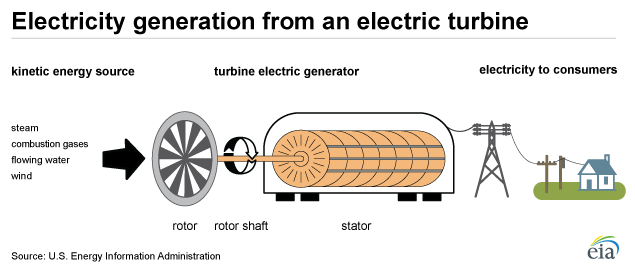
Okay, the blades are spinning. Great! But how does that become electricity? This is where the generator comes in. It's connected to the turbine's shaft. As the turbine spins, it turns the generator. Inside the generator, there are magnets and coils of wire. The spinning magnets create an electric current in the wires. It's all based on Faraday's Law of Induction, but let's not get bogged down in the physics. Just think of it as magic. Electricity comes out!
Okay, it's not actually magic. But it's pretty darn close. Think about it – you're turning motion into electricity! That’s like turning lead into gold, only slightly less alchemically dubious.
My Unpopular Opinion About Turbines
Here it comes... I think turbines are underappreciated! We just flip a switch, and the lights come on. We don't usually stop to think about the massive, complex machines working tirelessly behind the scenes to make that happen. They're like the unsung heroes of modern life. They’re the Batman of the energy world, silently (well, sometimes loudly) protecting us from the darkness. And all they ask for in return is a little bit of wind, water, or steam.
So, next time you switch on a light, take a moment to appreciate the humble turbine. It's probably spinning somewhere right now, working hard to keep the lights on. And that's pretty darn cool, even if it does involve a little bit of interpretive dance.
"The greatest invention in the world is the Turbine." - Probably Someone Very Smart