
How Does A Refrigerator Cool Food And Drinks

Ever stood in front of your refrigerator, door wide open, contemplating the mysteries of life... and what snack to choose? We've all been there. But have you ever actually stopped to wonder, like really wonder, how that magical box keeps your pizza rolls frosty and your pickles perfectly chilled?
It's not magic, though it certainly feels like it sometimes, especially when you're staring into its illuminated depths at 2 AM. It's science, but the kind of science that's actually kind of fun and, dare I say, a little bit sneaky.
The Refrigerator's Secret: It's a Heat Thief!
The surprising truth? A refrigerator doesn't actually make cold. It's more like a master thief, constantly stealing heat from inside and dumping it somewhere else.
Must Read
Think of it as a tiny, tireless heat bandit, working 24/7 to keep your broccoli crisp and your beer icy. It's like the reverse of a campfire, but instead of creating heat, it's gobbling it up.
The Amazing Adventures of Refrigerant
So, how does this heat-stealing operation work? It all boils down (pun intended!) to a special substance called refrigerant.
This refrigerant is a bit of a shape-shifter. It's a chemical that changes easily between a liquid and a gas, and that transformation is key to the whole cooling process.
Imagine refrigerant as a liquid ninja, sneaking into the fridge through a set of pipes, known as the evaporator coils. These coils are usually hidden, but you might see them sometimes in the back of older fridges, looking like a metal grid.
As the liquid refrigerant flows through these coils, it gets to work. It's now super eager to transform into a gas. It needs energy to change its state. Where does it get that energy? You guessed it: from the warm air inside your refrigerator.
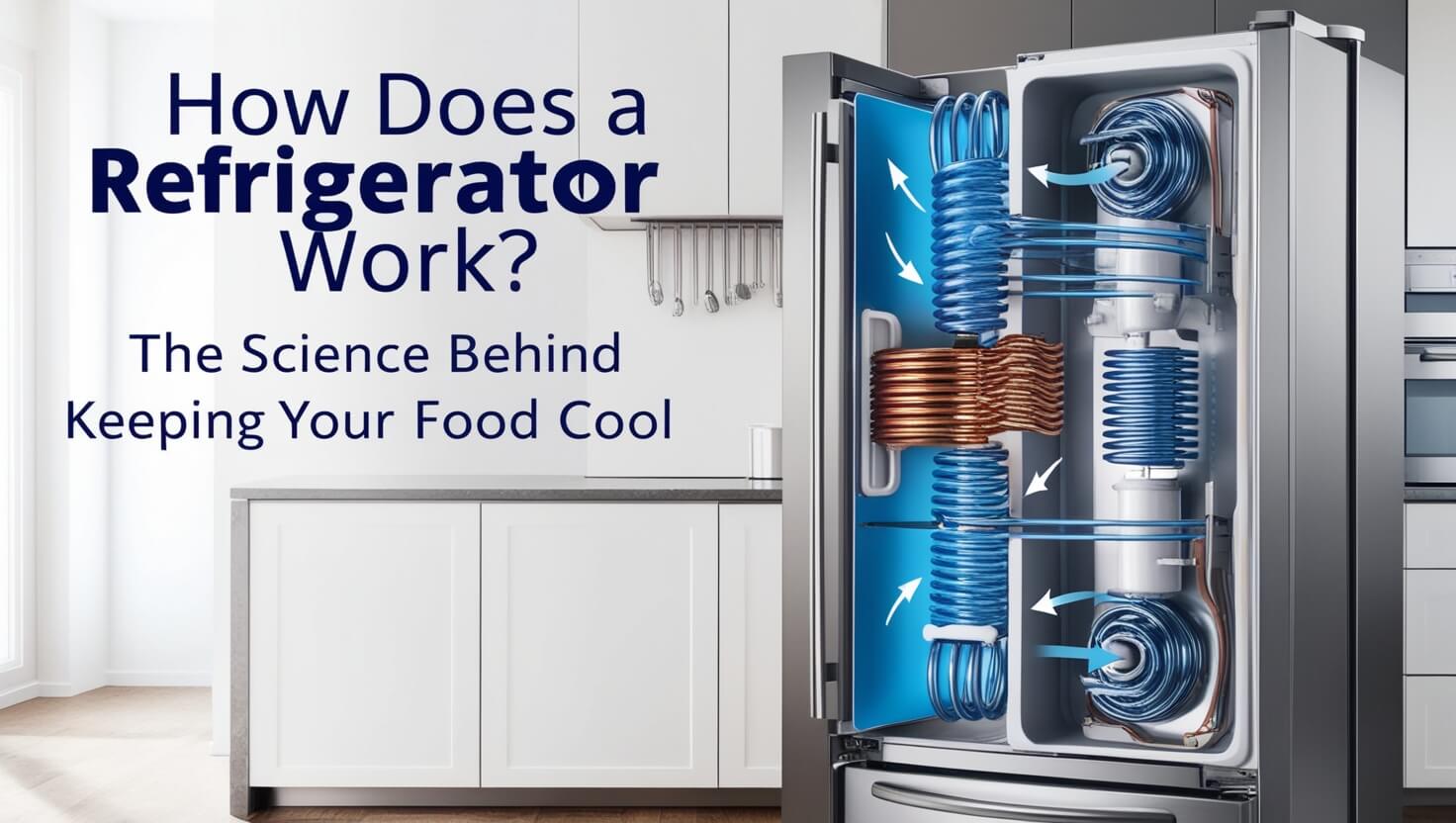
The refrigerant absorbs the heat, cooling down the inside of the fridge. It's like a heat sponge, soaking up all the warmth.
Now the refrigerant, transformed into a gas and full of stolen heat, needs to get out of the fridge. It heads towards the compressor.
The Compressor: The Muscle of the Operation
The compressor is like the heart of the refrigerator. It's a pump that takes the now gaseous refrigerant and squeezes it, increasing its pressure and temperature.
Think of it like pumping up a bicycle tire. As you pump, the air gets warmer, right? Same principle here.
The hot, high-pressure refrigerant gas then travels to the condenser coils. These are usually located on the back of your refrigerator, those black coils you might have seen.
This part is important! In the condenser coils, the refrigerant releases the heat it stole from inside the fridge into the surrounding air of your kitchen. It's finally dumping its ill-gotten gains.
As the refrigerant loses heat, it cools down and turns back into a liquid. This liquid is then ready to start the whole cycle all over again, sneaking back into the evaporator coils inside the fridge to steal more heat.
The Expansion Valve: A Refrigerant Traffic Controller
Before the liquid refrigerant heads back into the fridge, it passes through a tiny little valve called the expansion valve.
This valve is like a traffic controller, regulating the flow of refrigerant. It reduces the pressure of the liquid, making it even colder and ready to absorb more heat.
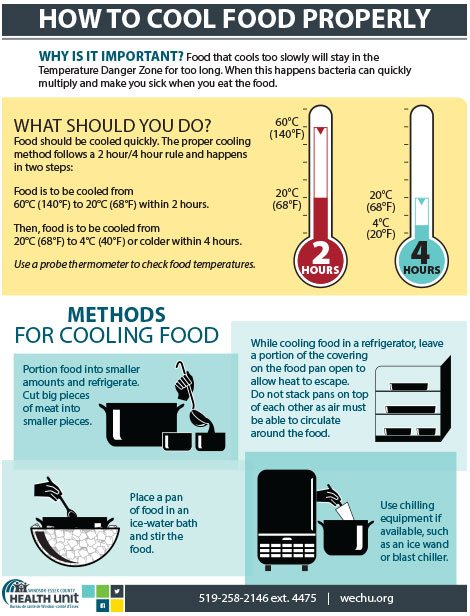
And that's the cycle! Refrigerant evaporates, absorbs heat, gets compressed, condenses, releases heat, and then evaporates again. It's a never-ending loop of heat theft and redistribution.
Why This Matters (Besides Cold Pizza)
Now, you might be thinking, "Okay, that's cool (again, pun intended!), but why should I care?"
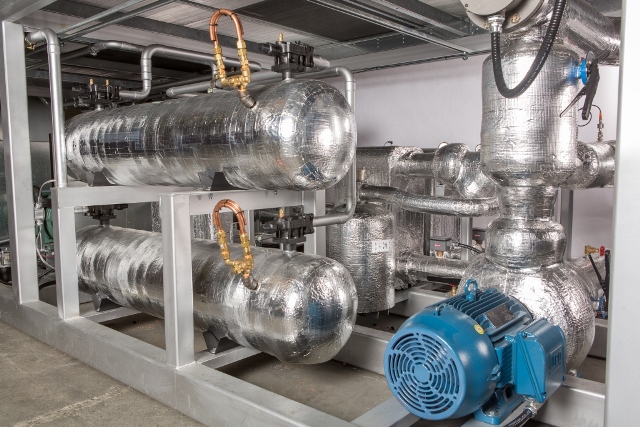
Understanding how your refrigerator works can actually help you use it more efficiently. For example, avoid leaving the door open for too long. Every time you open the door, warm air rushes in, and the refrigerator has to work harder to steal that heat back.
Also, make sure the coils on the back of your fridge are clean. Dust and grime can insulate the coils, preventing them from releasing heat efficiently. It is basically telling it to work harder.
Keeping your refrigerator in good working order not only saves you money on your electricity bill, but it also helps reduce your environmental impact.
Refrigerators: A Brief History of Chill
Believe it or not, people didn't always have refrigerators. Imagine a world without ice-cold lemonade on a hot summer day! The horror!
Before refrigerators, people used icehouses to store food. These were underground structures insulated with straw or sawdust. They'd harvest ice from frozen lakes and ponds in the winter and store it for use throughout the year.
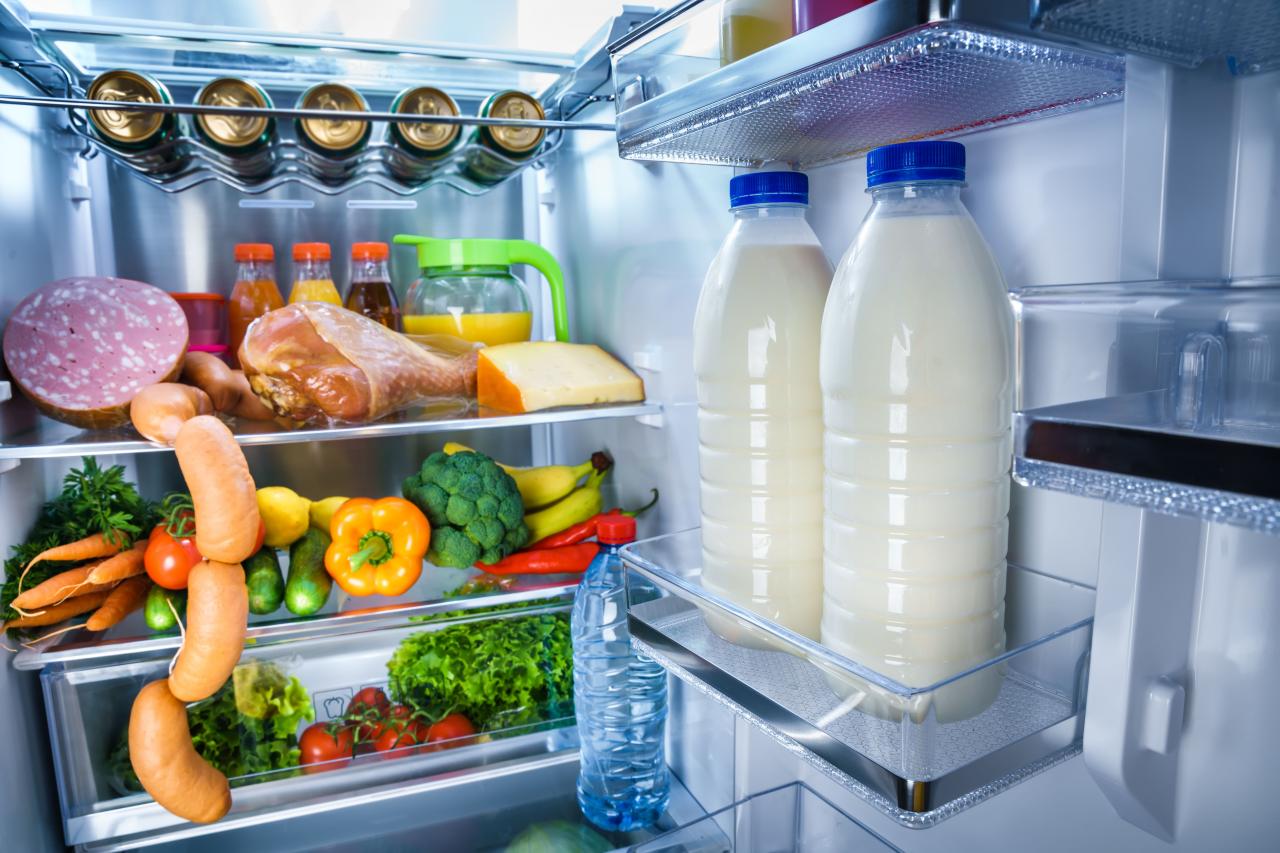
The first mechanical refrigerators were invented in the mid-19th century, but they were bulky, expensive, and often used toxic or flammable chemicals as refrigerants.
It wasn't until the early 20th century that refrigerators became more affordable and reliable, thanks to the invention of safer refrigerants like Freon.
Now, refrigerators are a staple in almost every home around the world, a testament to human ingenuity and our desire for perfectly chilled beverages.
A Toast to the Heat Thief
So, the next time you open your refrigerator, take a moment to appreciate the silent, tireless heat thief working behind the scenes to keep your food fresh and your drinks cold.
It's a remarkable piece of technology that we often take for granted. It truly is something to marvel at.
It is truly something to marvel at. It may not be magic, but it's pretty darn close. And now, if you'll excuse me, I'm going to go grab a snack from my own personal heat-stealing wonder box. All thanks to the wonders of refrigerant.