How Does A Glass Cutter Work
Ever gazed at a beautifully cut piece of glass, perhaps in a stained-glass window, a custom mirror, or even a neatly trimmed pane, and wondered, "How on earth do they do that without it just shattering?" It seems almost magical, doesn't it? Glass, by its very nature, appears so fragile, yet with the right touch and the right tool, it can be precisely shaped. Today, we're going to demystify that magic and peek into the clever world of the humble glass cutter!
The purpose of a glass cutter is surprisingly straightforward: to allow us to break glass in a predictable and controlled manner. This isn't about brute force; it's about finesse and a brilliant understanding of material science. From DIY home repairs, like replacing a broken window pane, to intricate artistic endeavors, such as creating stunning mosaic art or intricate lampshades, the ability to cut glass accurately is incredibly useful. It saves money, enables creativity, and allows for custom solutions that would otherwise be impossible or prohibitively expensive.
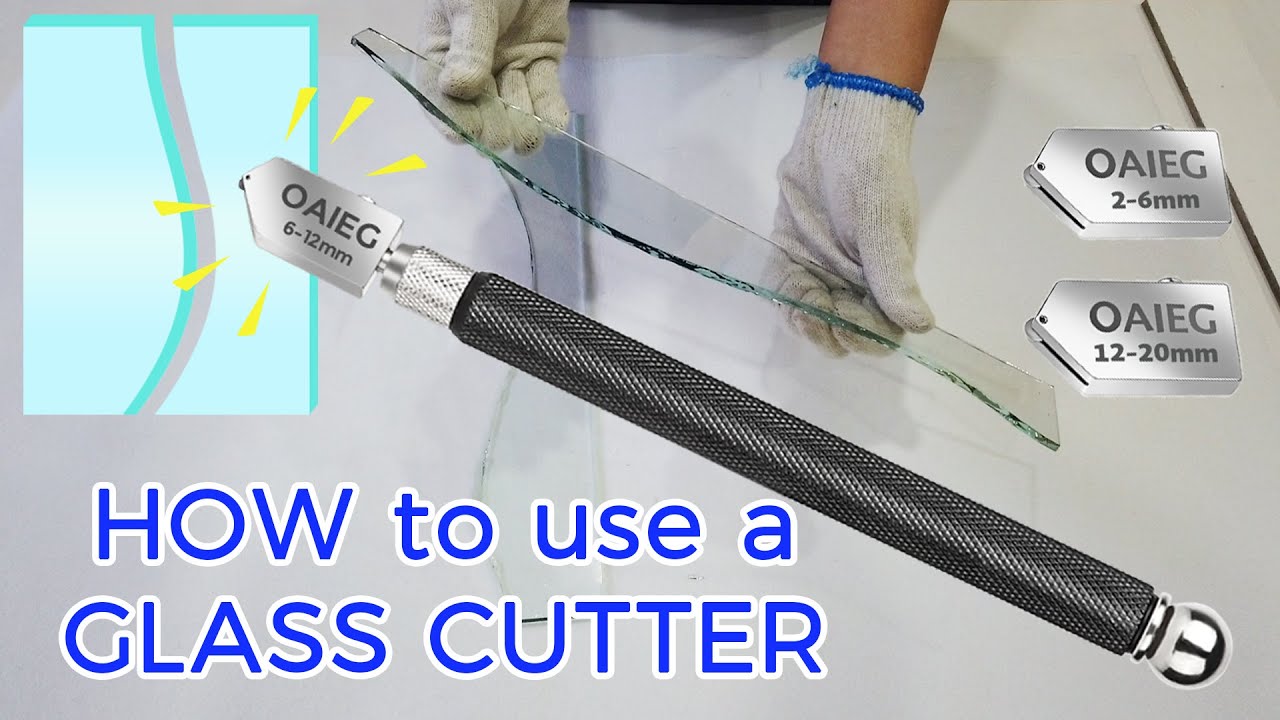
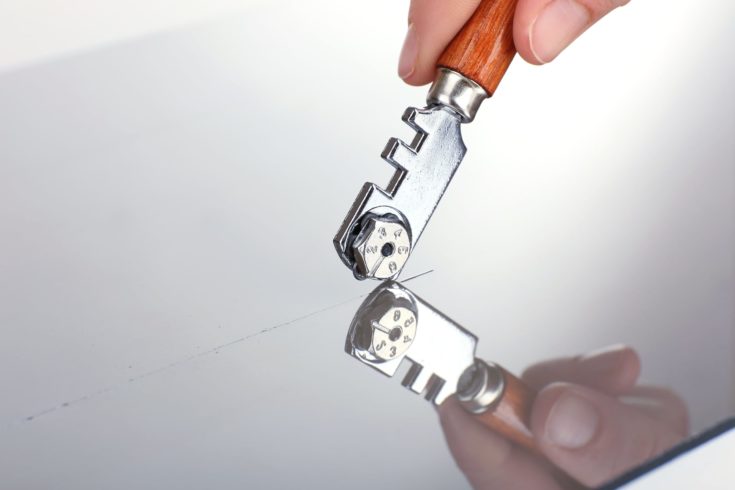
So, how does this seemingly simple tool achieve such a precise result? The biggest misconception is that a glass cutter actually "cuts" through the glass like a saw or a knife. It doesn't! Instead, it performs a much more subtle, yet incredibly powerful, action: it creates a score line. Imagine taking a very hard, very sharp wheel – often made of tungsten carbide or even industrial diamond – and pressing it firmly against the surface of the glass as you guide it along a straight line. This action doesn't remove a significant amount of material, but it does something far more critical.
Must Read
What happens is that the tiny, incredibly hard wheel creates a microscopic furrow or a scratch on the glass surface. This tiny score line isn't just a surface mark; it's a point of stress concentration. Think of it like a tiny, controlled crack initiated right where you want the glass to break. Glass is very strong under compression, but surprisingly weak under tension. When you make that score, you're essentially creating a weakness, a microscopic fault line, along the path you've drawn.
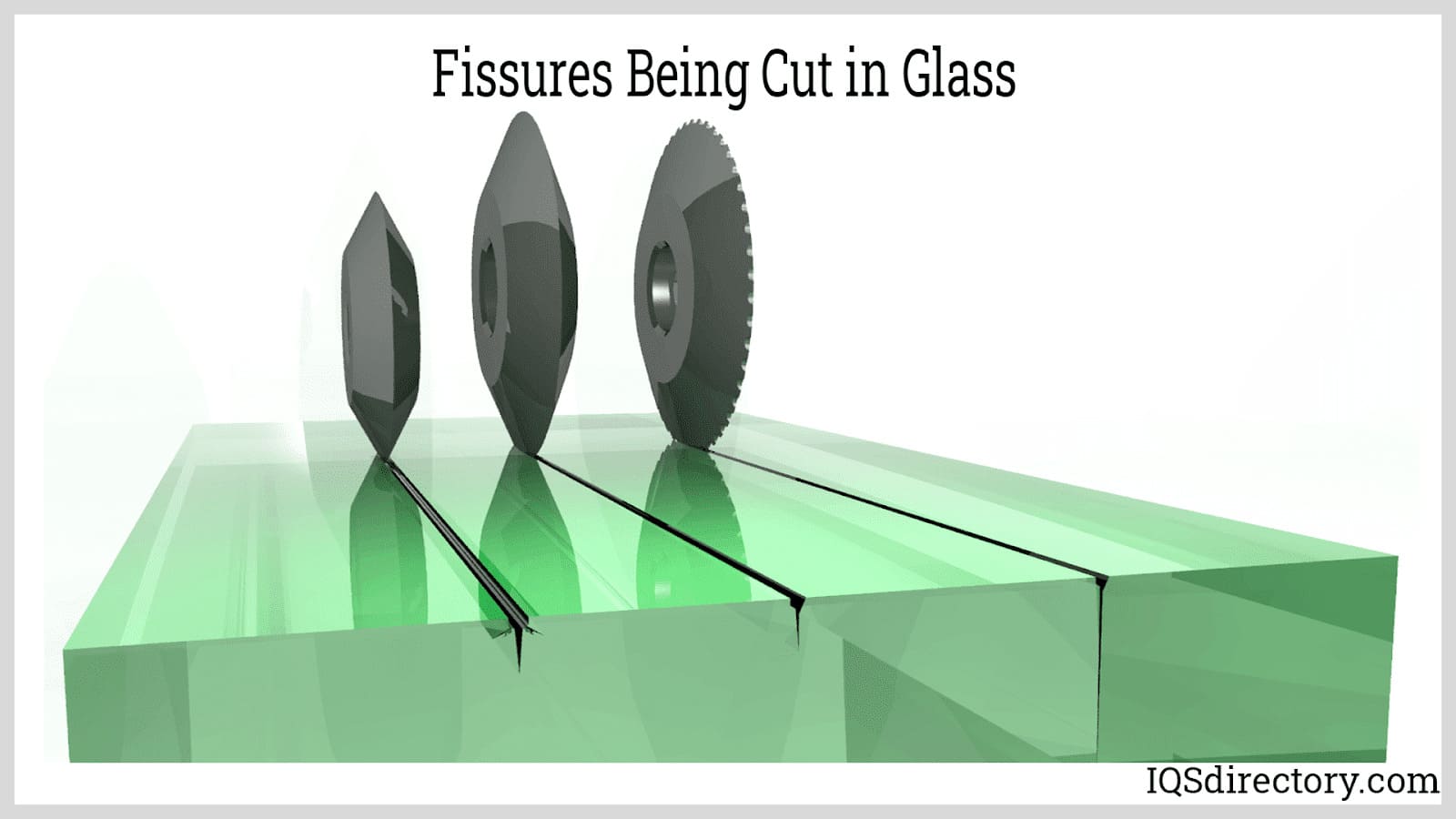
Once this score line is complete, the next step is to apply a controlled amount of pressure, usually by snapping the glass over a raised edge or by tapping it gently along the score line. This external force exploits that created weakness. The stress at the tip of that tiny score line becomes so intense that the molecular bonds holding the glass together begin to separate, propagating a clean break right along the path of your score. It’s like a zipper unzipping, or tearing paper along a perforated line – the initial weakness guides the larger separation.
Different types of glass cutters exist, from basic pencil-style cutters with a single wheel to more sophisticated oil-filled cutters that lubricate the wheel as it scores, ensuring an even smoother and cleaner line. Regardless of the specific tool, the fundamental principle remains the same: it's all about creating a precise stress point to guide a clean break, rather than attempting to physically slice through the material. It's a testament to human ingenuity, taking a fragile material and allowing us to shape it with surprising elegance. So the next time you see a perfectly cut piece of glass, you'll know it's not magic, but rather the clever science of a perfectly placed score!