How Does A Cpap Know When You Stop Breathing
Ever wondered how your CPAP machine knows exactly when you're playing hide-and-seek with your breath in the middle of the night? It's a fascinating piece of technology that's helping millions get better sleep, and understanding how it works can be surprisingly interesting. Think of it as a detective in your bedroom, constantly monitoring your breathing patterns. Let's delve into the secrets of how this clever machine keeps tabs on your slumber.
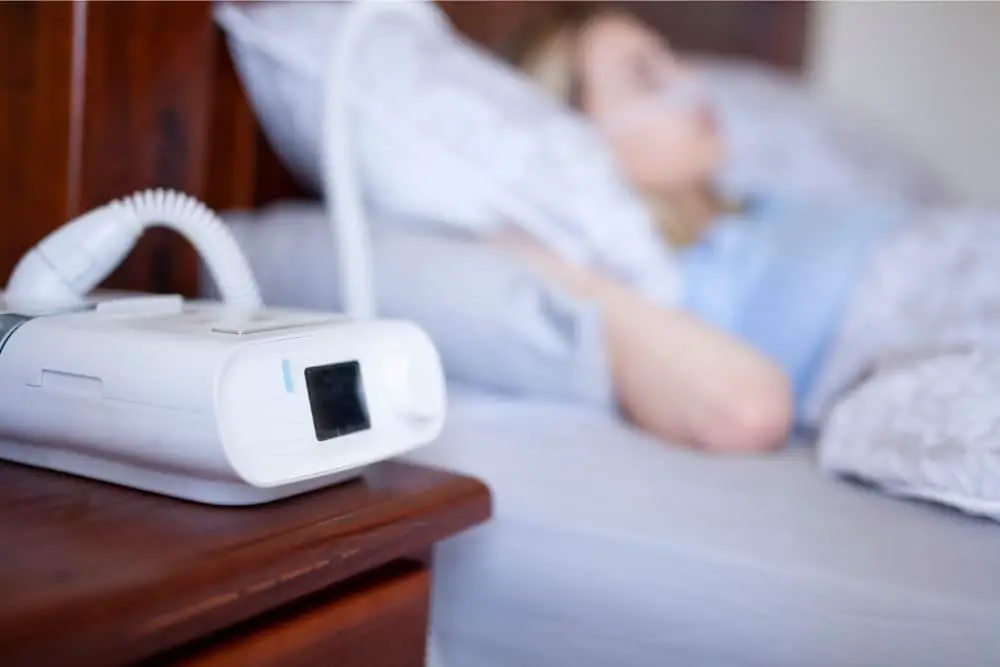
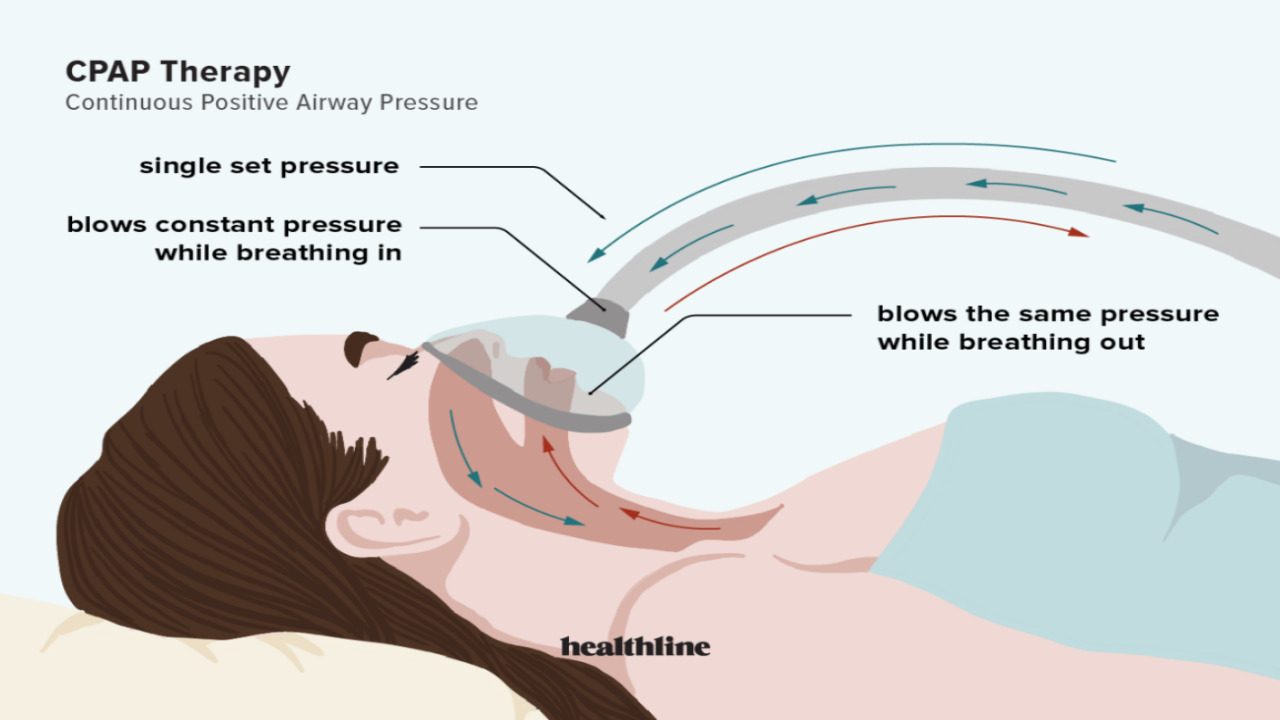
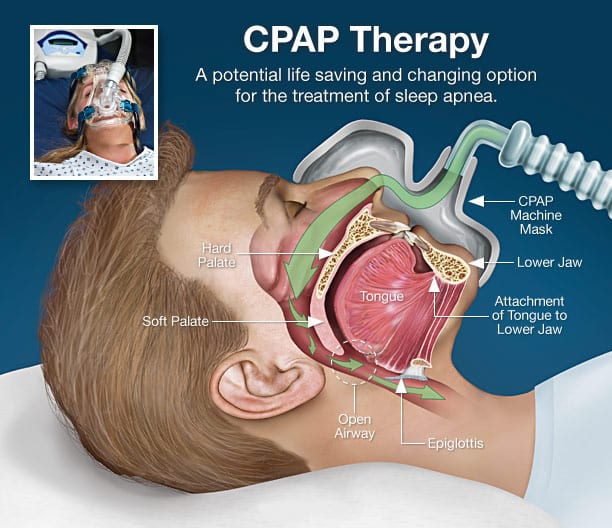
For beginners, the main thing to know is that a CPAP (Continuous Positive Airway Pressure) machine's job is to keep your airway open while you sleep. It does this by delivering a steady stream of pressurized air. But how does it know when to ramp up the pressure if you stop breathing? That's where the clever sensors come in.
For families of CPAP users, understanding this technology can be reassuring. Knowing that the machine is actively working to ensure your loved one's safety and comfort throughout the night brings peace of mind. It's not just blowing air; it's responding intelligently to changes in their breathing.
Must Read
Even for hobbyists interested in medical technology, the inner workings of a CPAP offer a glimpse into sophisticated engineering. The machine constantly measures airflow and pressure. When the airflow decreases significantly, or stops altogether, the CPAP interprets this as an apnea event (a pause in breathing). Some machines also monitor for snoring, which can be another indicator of obstructed breathing.

The key is pressure and flow sensors. These tiny but powerful components continuously measure the air pressure and the rate at which air is moving. If the machine detects a significant drop in airflow or a sudden increase in pressure (indicating an attempt to breathe against a closed airway), it knows something isn't right. More advanced models use algorithms to differentiate between normal fluctuations in breathing and genuine apneas. Some even learn your individual breathing patterns over time, becoming even more accurate.
There are also variations in how CPAP machines respond to these events. Some machines, called Auto-CPAPs or APAPs (Automatic Positive Airway Pressure), automatically adjust the pressure based on your needs throughout the night. They might start at a lower pressure and gradually increase it if they detect apneas or hypopneas (shallow breathing). Other machines deliver a fixed pressure that's been prescribed by your doctor.
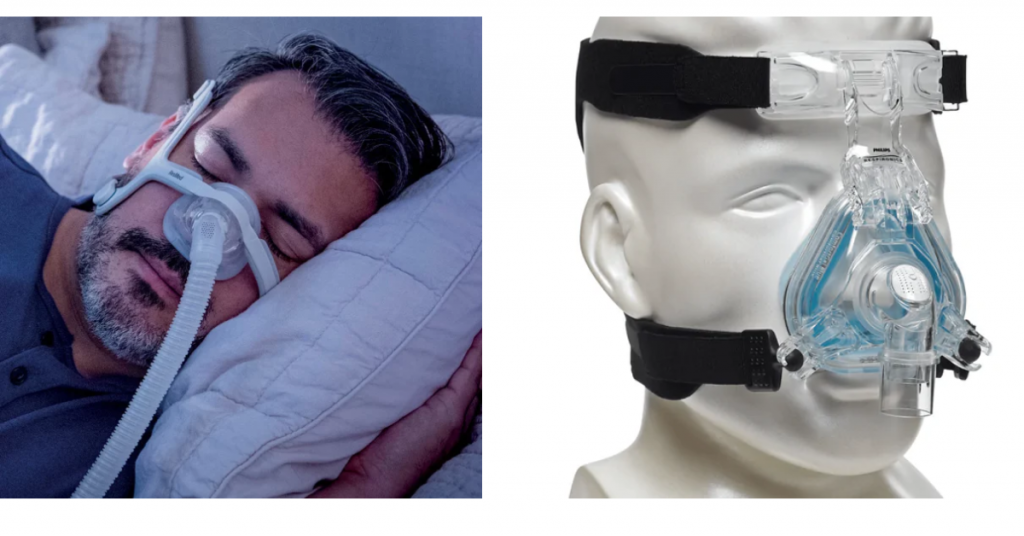
Simple Tips for CPAP Users: Make sure your mask fits properly to prevent air leaks, as these can interfere with the machine's ability to accurately monitor your breathing. Clean your equipment regularly to ensure the sensors are functioning correctly. And, if you're concerned about how your machine is performing, don't hesitate to talk to your doctor or a sleep specialist.
Understanding the technology behind your CPAP machine not only demystifies it but also helps you appreciate the vital role it plays in your health and well-being. It's a fascinating example of how engineering can improve our lives, one breath at a time. So, the next time you put on your mask, remember that you're not just wearing a machine; you're relying on a sophisticated system that's quietly and diligently watching over you, ensuring a more restful and healthier sleep.