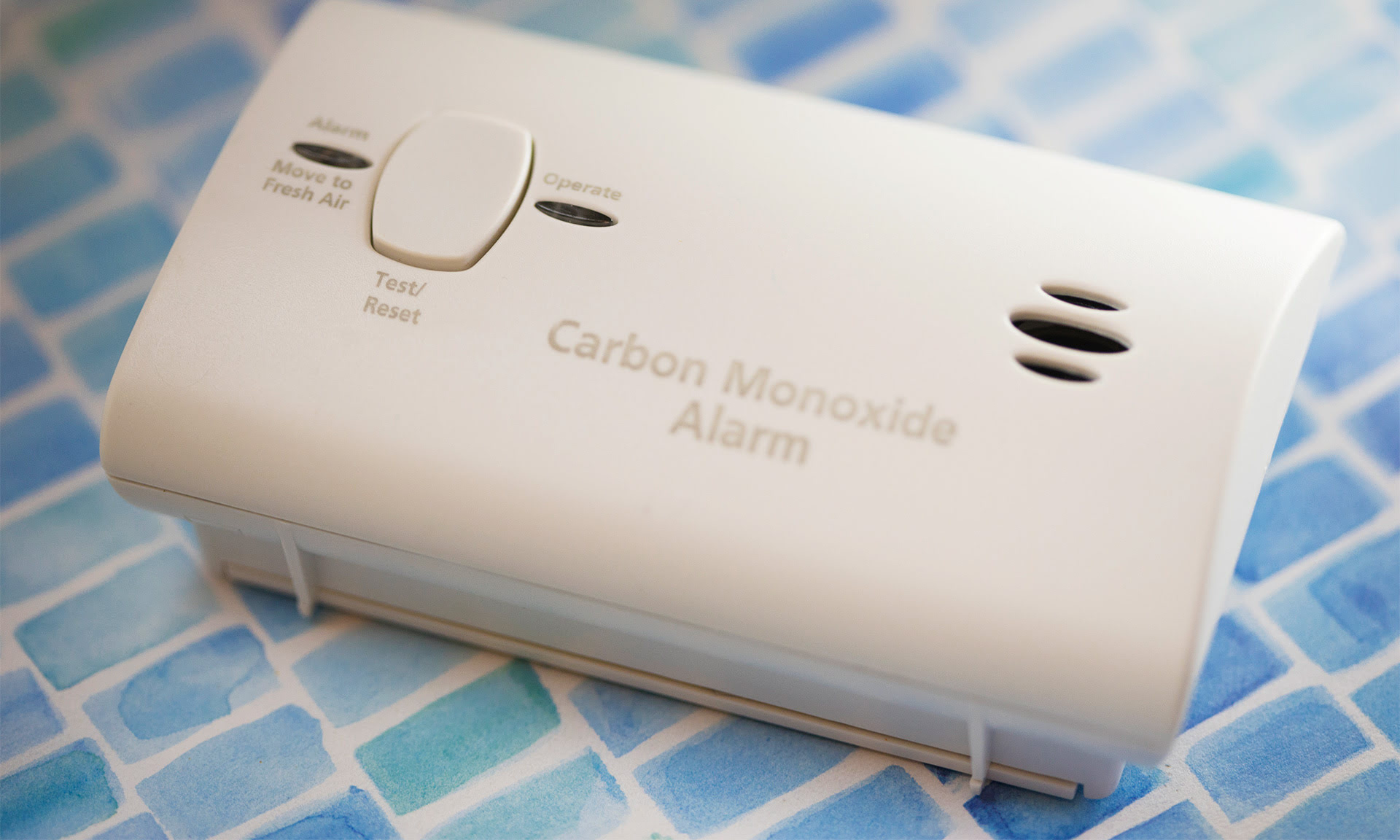
How Does A Carbon Monoxide Sensor Work
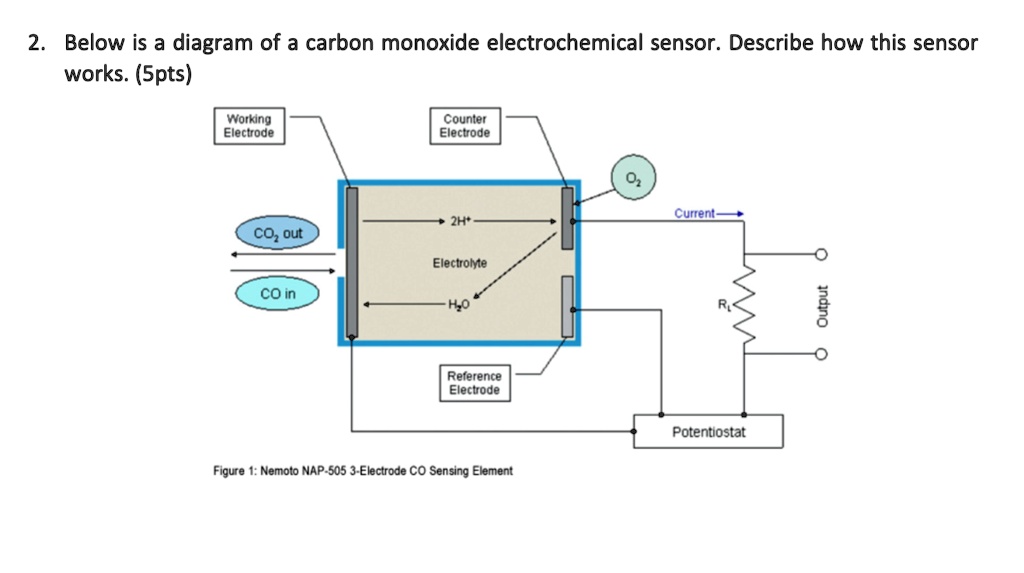
Alright, unpopular opinion time: I think your carbon monoxide detector is the most underrated superhero in your home. Seriously. While your smart TV demands attention with its dazzling pixels and your fancy coffee machine makes all sorts of gurgling noises, your little CO sensor just sits there. Quietly. Patiently. Being an absolute legend.
And let's be honest, most of us just assume it works by magic. A little box, a loud beeper, and hopefully, never the two shall meet. But how does this unsung guardian actually pull off its life-saving trick? Let's peek behind the curtain, shall we?
Meet the Silent Villain: Carbon Monoxide
First, we need to understand our invisible antagonist: carbon monoxide, or CO for short. It's a real sneaky one. No smell, no taste, no color. It’s like a ninja ghost, but way more dangerous than just spooking your socks off. It’s produced when fuels like gas, oil, wood, or charcoal don't burn completely. Think leaky furnace, clogged chimney, or a car running in an enclosed space. The problem is, it loves to hitch a ride in your bloodstream, kicking out the essential oxygen your body needs. Not cool, CO. Not cool at all.
Must Read
Enter the Hero: Your CO Sensor!
Now, how does our little hero fight such a stealthy foe? Most modern CO sensors are what we call electrochemical sensors. Don't let the fancy name scare you; it's actually pretty straightforward, like a tiny, super-specialized scientific detective.
Imagine your sensor has a miniature, highly sensitive nose. This nose isn't interested in last night's takeout or your cat's questionable litter box habits. Oh no. This nose is only trained to sniff out carbon monoxide. It's a single-minded marvel.
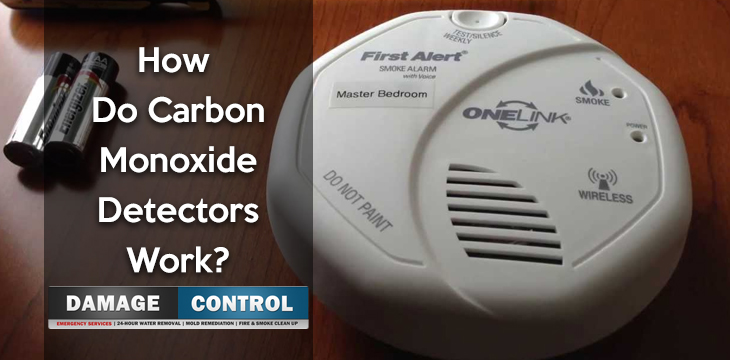
Inside this vigilant device, there's a small chamber with two electrodes and a chemical solution, often an acid. Think of it as a tiny, self-contained battery or a miniature chemical playground.
When CO gas wafts into this chamber, it doesn't just pass through unnoticed. Oh no, sir! It decides to throw a little chemical party with that solution. This isn't a rowdy, beer-and-pizza kind of party. It's a very specific chemical reaction. The carbon monoxide reacts with the solution, and guess what happens? It creates a tiny, tiny electrical current. Like a microscopic spark of recognition.
.jpg)
Our clever sensor then measures this minuscule electrical current. It's constantly checking the "buzz" of the party. The more CO molecules that join the party, the stronger the chemical reaction, and thus, the bigger the electrical current. It’s like an internal gauge, quietly noting every little zap.
This is where the magic really happens. The sensor has a pre-set threshold, a danger zone. It's essentially programmed to say, "Okay, a little bit of CO? Annoying, but manageable. BUT if this electrical current hits this specific level, it means there's too much carbon monoxide for comfort!"

And when that threshold is crossed? BAM! The sensor doesn't hesitate. It screams. Not because it’s angry, but because it’s doing its job perfectly. That piercing alarm isn’t just noise; it’s a desperate plea, a stark warning that you need to get some fresh air, pronto!
The Unsung Hero
So, there you have it. Your carbon monoxide detector isn't just a mysterious box. It's a sophisticated piece of engineering, diligently performing a chemical reaction and measuring electrical currents, all to keep you safe from a truly nasty threat. It doesn't ask for much, just a fresh set of batteries every now and then (don't forget that, by the way!).
It doesn't brag. It doesn't make witty remarks. It just quietly waits, ever vigilant, ready to unleash its siren song if danger ever knocks. So next time you walk past that little white box, give it a silent nod. It truly is the most underrated, hardworking hero in your home. My unpopular opinion, standing firm.