How Do You Wire Two 12 Volt Batteries Together

Okay, so picture this: I'm out in the middle of nowhere, miles from civilization, trying to jump-start my buddy’s ridiculously oversized truck. The battery? Dead. Deader than disco. And my measly little car battery is just laughing at the situation. That's when the thought hit me: "Man, I wish I had two batteries!" That got me thinking about wiring them together...but how exactly? Turns out, it's simpler than you think. And way more useful than you might imagine.
So, you're probably wondering, "Why would I even want to wire two 12-volt batteries together?" Good question! There are two main reasons: to increase the voltage or to increase the amp-hours (which basically means more power for longer). Knowing which one you need is the key to doing it right. Think of it like choosing between a long jog (amp-hours) and a really high jump (voltage).
Series vs. Parallel: The Two Paths to Power
There are two main ways to wire batteries together: series and parallel. And trust me, they're as different as cats and dogs. (Though, personally, I like both... in their own way.)
Must Read
Series Wiring: Doubling the Voltage!
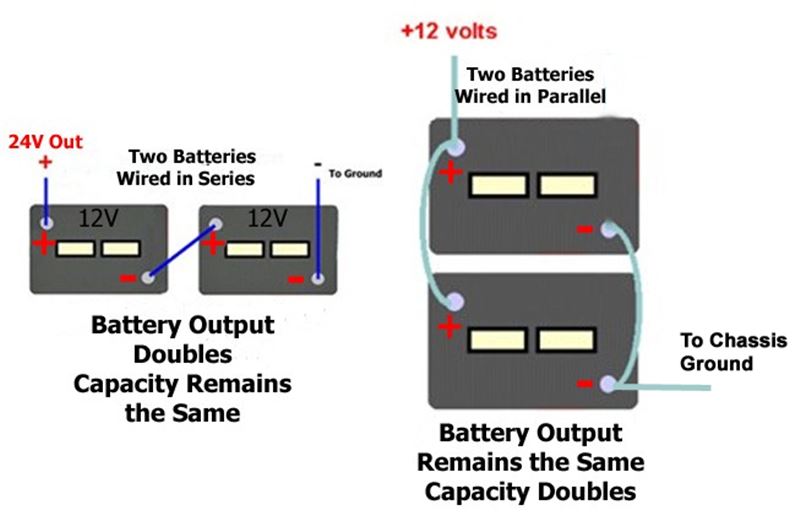
If you want more oomph (technical term, obviously), then series wiring is your go-to. This configuration increases the voltage while keeping the amp-hours the same. Imagine needing 24 volts instead of 12? Boom! Series connection is your answer.
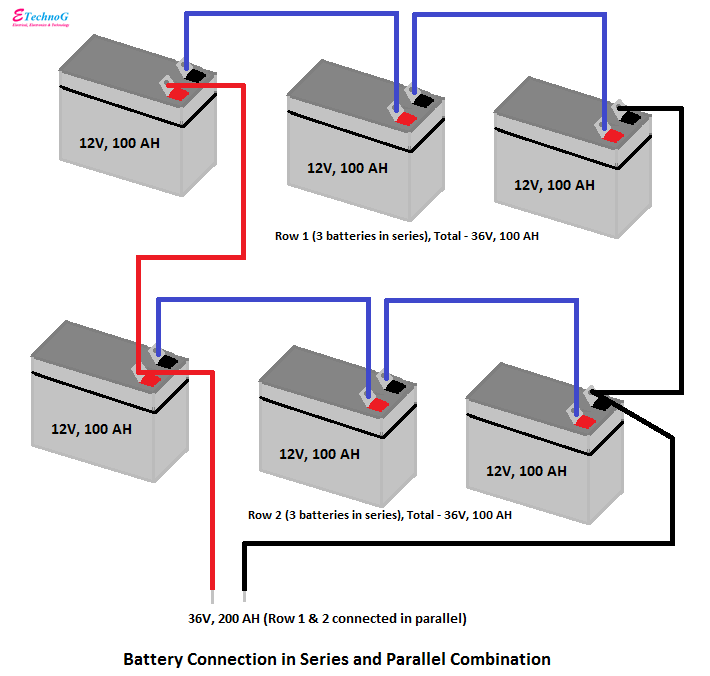
Here's the lowdown: Connect the positive (+) terminal of one battery to the negative (-) terminal of the other battery. Then, your final positive connection is the remaining positive terminal, and your final negative connection is the remaining negative terminal. Basically, you're making a chain. Think of it like connecting train cars end-to-end. Choo-choo! All aboard the Voltage Express!

Important! Make sure both batteries are the same voltage and roughly the same age and condition. Otherwise, you could end up with one battery trying to charge (or overcharge!) the other, which is a recipe for disaster. Think battery meltdown...not fun.
Parallel Wiring: Endurance for Days!
Parallel wiring, on the other hand, is all about longevity. It increases the amp-hours, so you can run your devices for a longer time without draining the batteries. Need your trolling motor to last all day on the lake? Parallel wiring is your friend.
The process? Connect positive (+) to positive (+) and negative (-) to negative (-). Easy peasy! You're essentially creating one big, happy battery. All the positives hang out together, and all the negatives do, too. Like a battery rave.

Again, make sure both batteries are the same voltage. 12 volts + 12 volts in parallel does not equal 24 volts. It equals 12 volts with double the runtime. Don't mix them up! (Unless you want a science experiment. But I wouldn't recommend it.)
Safety First! (Duh)
Before you go all electrician on me, a few words of caution: Batteries can be dangerous if mishandled. We’re talking potential sparks, explosions, and acid burns. So, please, for the love of all that is holy, follow these simple rules:
- Wear safety glasses and gloves. Seriously. Protect your eyes and hands!
- Disconnect any loads from the batteries before you start. Don't want any unexpected surprises.
- Work in a well-ventilated area. Batteries can release hydrogen gas, which is flammable.
- Double-check your connections before turning anything on. A mistake can be costly (and potentially dangerous).
- Use appropriately sized cables and connectors. Don't skimp on quality here!
And finally, if you're not comfortable working with batteries, please consult a qualified electrician. It's better to be safe than sorry. (And possibly electrocuted.)
So, Which One is Right for You?
Ultimately, the choice between series and parallel wiring depends on your specific needs. Need more voltage? Go series. Need more runtime? Go parallel. And remember, always prioritize safety! Now go forth and conquer the world of battery wiring...responsibly, of course!
Now if you'll excuse me, I'm off to wire my neighbor's golf cart for maximum performance... just kidding! (Mostly.)