
How Do You Use Biomass Energy
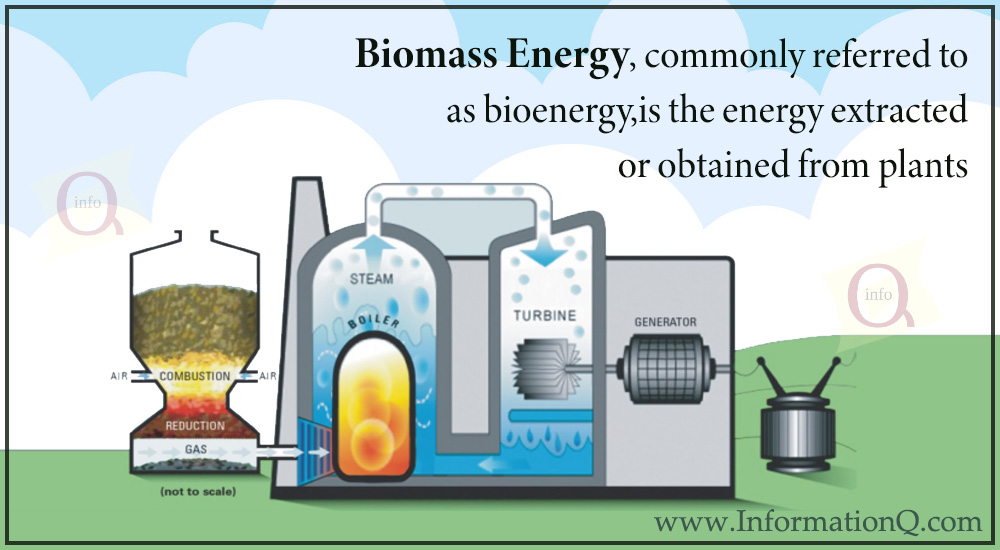
Hey there, energy explorer! Ever thought about where your electricity comes from, or how we can keep the lights on without turning the whole planet into a giant exhaust pipe? Well, buckle up, because we're diving into the wonderfully wild world of biomass energy! And trust me, it’s a lot more exciting than just burning wood in a fireplace (though that's definitely part of the fun!).
So, what exactly is biomass? In super simple terms, it's just organic matter. Think plants, trees, agricultural waste, even animal poop! Basically, anything that was once alive and got its energy from the sun. It's like nature's very own stored solar power, just waiting for us to unlock it. Pretty neat, right? It’s basically the ultimate recycling program, but for energy!
How Do We Turn "Stuff" Into Power?
Alright, so we've got a pile of organic goodies. How do we transform that into something useful, like, say, powering your phone or heating your home? There are a few clever ways we can tap into this stored energy. Let's break down the main contenders:
Must Read
1. Direct Combustion: The Classic Firestarter
This is probably the most straightforward method, and it’s one you might already be familiar with. It’s essentially burning biomass directly to create heat. That heat can then be used to warm homes, generate steam to spin turbines for electricity (just like coal or natural gas power plants, but with a greener fuel source!), or even for cooking. Think of a cozy wood-burning stove on a chilly evening, or massive industrial boilers gobbling up wood chips. It's like having a giant, controlled campfire that’s actually super productive!
Fun fact: Your ancestors were probably using biomass energy way before it was cool. Like, way, way before. High five to them for being so ahead of their time!
2. Anaerobic Digestion: The "No Oxygen" Party
This one sounds fancy, but it's actually pretty simple (and a bit stinky, in a good way!). Anaerobic digestion involves microbes (tiny little critters) breaking down organic matter in an environment without oxygen. Think of it like a cow's stomach, but for producing useful gas! What comes out? Biogas, which is mostly methane. This biogas can be used just like natural gas – to generate electricity, for heating, or even as fuel for vehicles. It's fantastic for managing agricultural waste and food scraps, turning what would be a problem into a powerful solution!
It’s basically giving bacteria a buffet and letting them do all the hard work, producing a fantastic party favor in the form of clean energy. Who knew tiny microbes could be such amazing party planners?

3. Gasification: Turning Solids into Syngas
Next up, we have gasification. This is where biomass is heated to very high temperatures with a controlled, limited amount of oxygen. Instead of fully burning, the biomass turns into a combustible gas called syngas (short for "synthetic gas"). This syngas is super versatile and can be used to generate electricity, produce heat, or even be converted into other valuable chemicals and fuels. It's like a sophisticated magic trick, turning solid waste into a highly energetic vapor!
Imagine taking wood chips or agricultural residues and transforming them into a clean-burning gas that can power homes or industries. It's a bit like having a special oven that cooks up energy instead of cookies (though cookies are great too, let’s be honest).
4. Biofuels: Liquid Power for Your Ride!
Ever heard of ethanol or biodiesel? These are biofuels – liquid fuels derived from biomass. Ethanol is often made from corn, sugarcane, or other starches and sugars, and is commonly blended with gasoline for cars. Biodiesel can be produced from vegetable oils (like soybean or canola oil) or animal fats, and can power diesel engines. So, your car could literally be running on plants!

Just a friendly reminder: While your car might theoretically run on last night's leftover fries if you knew the right conversion, please don't pour cooking oil directly into your gas tank. Leave the science to the pros!
Why Is Biomass Such a Big Deal?
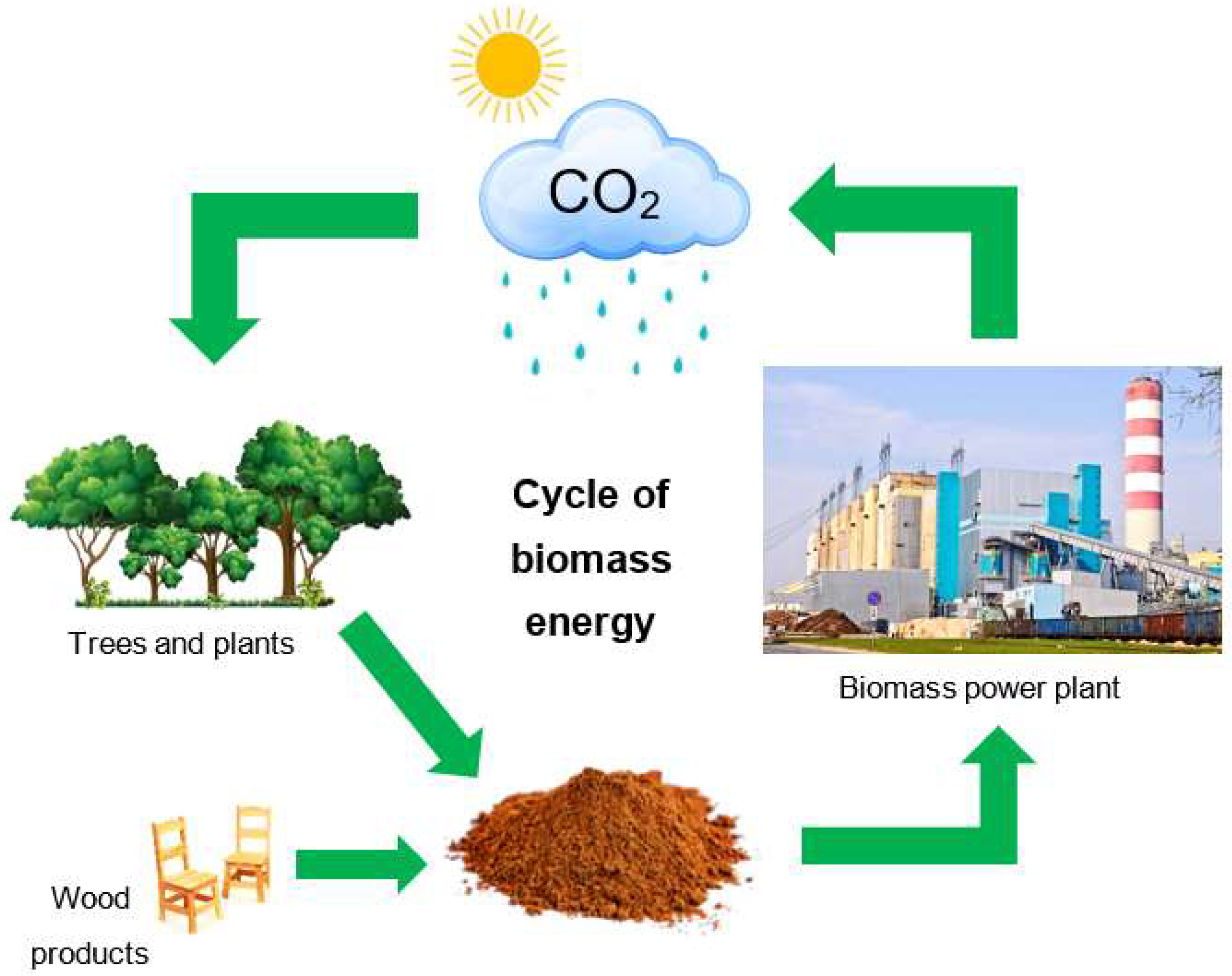
So, why should we care about all these clever ways to use biomass? Well, for starters, it's a renewable resource. Unlike fossil fuels, which take millions of years to form, we can regrow plants relatively quickly. It also helps us manage waste, turning stuff that might otherwise end up in landfills into valuable energy. Plus, when done right, it can be a more carbon-neutral option compared to fossil fuels, as the carbon dioxide released when biomass is burned is theoretically reabsorbed by new growing plants.
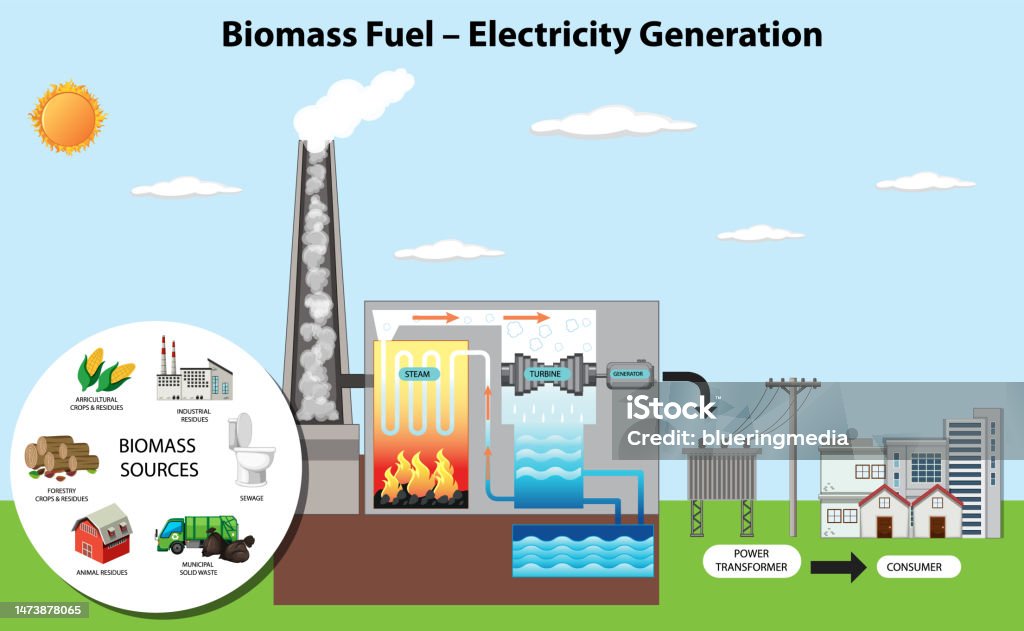
It's an important piece of the puzzle in creating a more sustainable and diverse energy mix. It helps us reduce our reliance on finite resources and gives us a way to harness the sun's power, even when it's cloudy!
From powering giant turbines to giving your car a little plant-based kick, biomass energy is a testament to nature's ingenuity and our own cleverness in harnessing it. So, the next time you see a thriving field of corn, a robust forest, or even just a pile of garden trimmings, give a little nod. You're looking at potential energy, a piece of our greener future, and a pretty cool way to keep things buzzing along.
It's all about making the most of what nature gives us, turning "waste" into watts, and keeping our planet happy and humming. Isn't that just absolutely energizing?