
How Do You Turn On Electricity
Ah, the glorious morning. Your eyes flutter open. The gentle hum of the refrigerator is your alarm clock, a constant serenade. What's the first thing you do? Perhaps stumble to the kitchen, seeking that much-needed jolt of coffee. Or maybe you reach for the bedroom lamp, banishing the pre-dawn gloom with a satisfying click.
And just like that, light appears! The coffee maker whirs to life! You, my friend, have just "turned on" electricity. Or have you? This, dear reader, is where our playful conspiracy theory begins. Prepare for an "unpopular opinion" that might just make you nod in humorous agreement.
The Great Electricity Illusion
Let's be honest. When you "turn on" electricity, what are you actually doing? You're probably flipping a light switch. Or perhaps pushing a button on your coffee machine. Congratulations! You've successfully completed a very small, very local circuit.
Must Read
But did you really turn on electricity? Or was electricity already patiently waiting, like a loyal puppy, for you to simply acknowledge its presence? We submit to you this radical notion:
You don't "turn on" electricity. You merely invite it in for a cup of tea. It was always there, knocking.
The Humble Light Switch: A Master of Deception
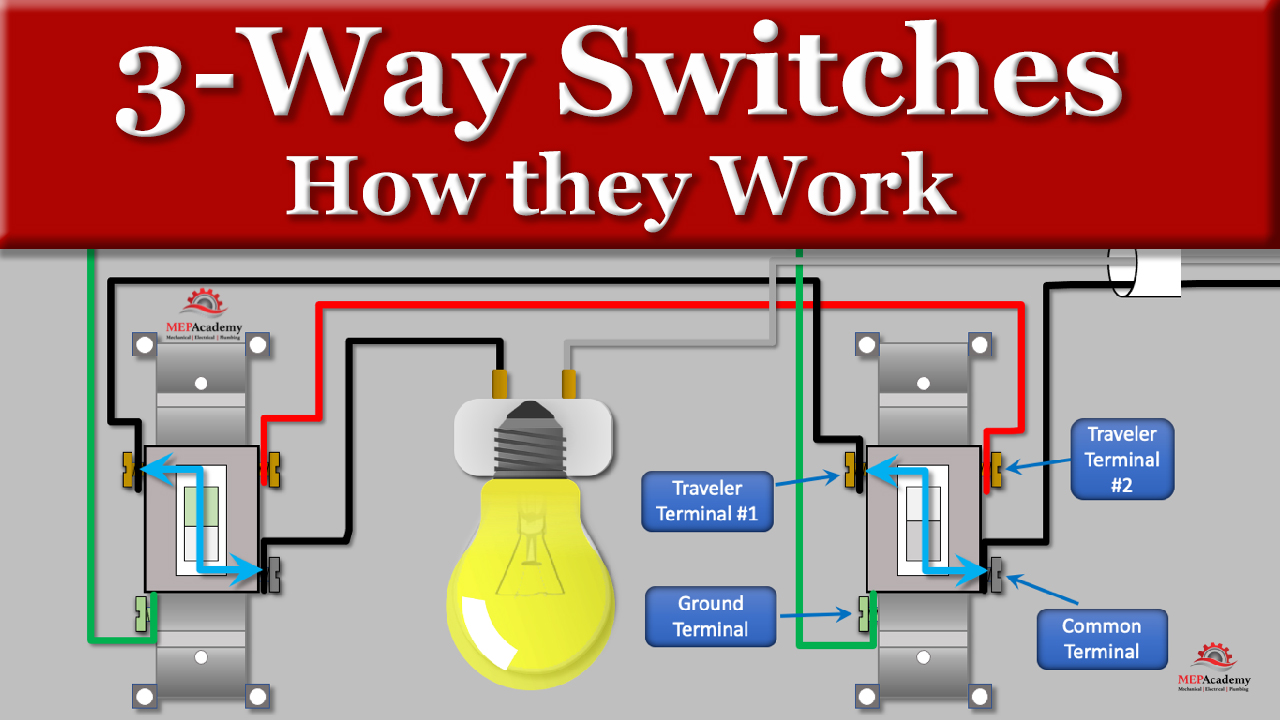
Think about that little plastic toggle on your wall. It's so unassuming, yet so powerful. One flick, and darkness gives way to illumination. Cold water becomes scalding hot. But this small hero is actually a magnificent deceiver.
It doesn't create electricity. It doesn't even generate it. All it does is complete a path, like opening a tiny, invisible gate. The electrons, bless their little hearts, were already buzzing with excitement, eager to flow.
You're not a maestro conducting a symphony of power. You're more like a doorman, letting the pre-arranged guests into the party. It’s a subtle but important distinction, isn’t it? One that shifts the entire paradigm of morning coffee. We call it the Great Electricity Illusion for a reason!

Beyond Your Walls: The Plot Thickens
Okay, maybe you're a bit more savvy. You've encountered the dreaded circuit breaker. Perhaps the toaster oven decided to throw a tantrum, plunging your kitchen into darkness. You bravely venture to the scary metal box, flip a switch, and poof! Power returns.
Now, that feels a bit more like "turning on" electricity, doesn't it? You've wrestled with something substantial. But again, were you truly bringing electricity into existence? Or were you just reset-buttoning a grumpy electrical system? The electricity for your house was already flowing to that breaker box.
You simply told it, "Alright, little electrons, let's calm down and try again." The main power lines outside your house? Still humming. The giant substation down the road? Still buzzing. You've merely intervened in a very local squabble, not orchestrated a grand electrical awakening.
Who Really Turns It On? The Unsung Heroes
So, if you're not turning it on, who is? This is where the plot truly unfolds. Imagine a world where everyone had to "turn on" electricity from scratch every morning. Chaos! Panic! Un-toasted bread! The horror!
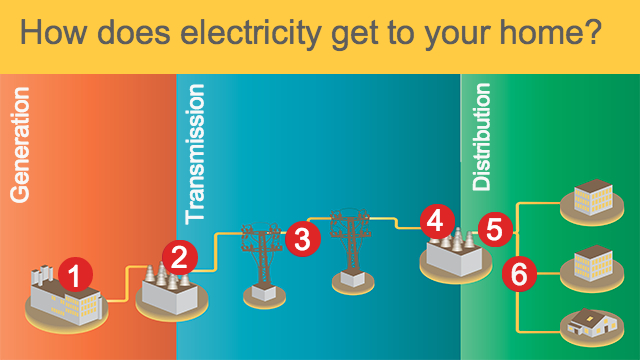
No, the true heroes of "turning on" electricity are far away, often unnoticed. They are the dedicated folks at the local utility company. They are the engineers monitoring gargantuan turbines.
They are the operators in vast control rooms, watching shimmering screens. These are the people who manage the actual generation of power. They are the ones who make sure that electricity is always, always on at the source.
The Power Plant: The True "On" Switch
Let's journey to the very heart of the matter: the power plant. Whether it's a massive coal-fired station, a towering nuclear facility, or a sprawling field of solar panels, this is where the magic truly happens. This is where the raw energy is converted into the electron highways we call electricity.
Here, immense generators spin. Steam roars. Sunlight is captured. Wind is harnessed. These operations are running 24/7, tirelessly pumping out power. When they "turn on" a new generator, that's turning on electricity.
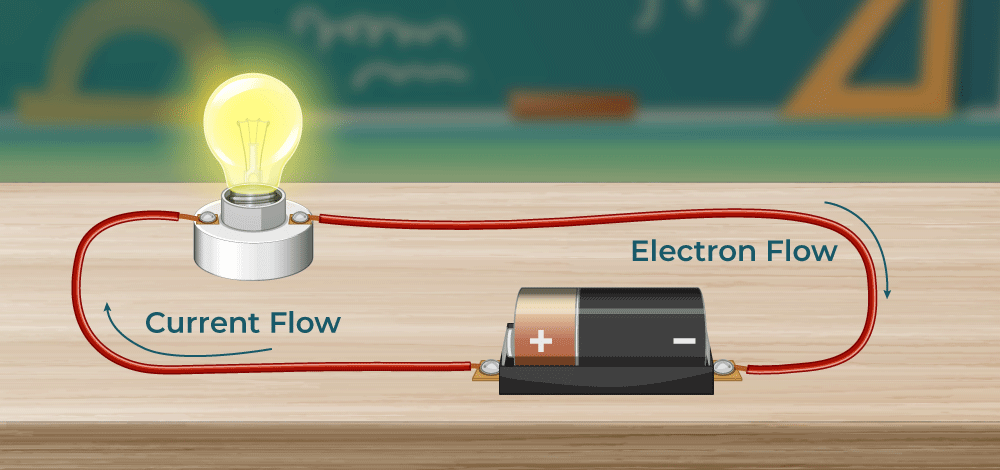
When they bring a new turbine online, that's turning on electricity. It's a complex, continuous dance of massive machinery and human ingenuity. Compared to that, your little light switch feels a bit... quaint, doesn't it?
The Network: A River of Electrons
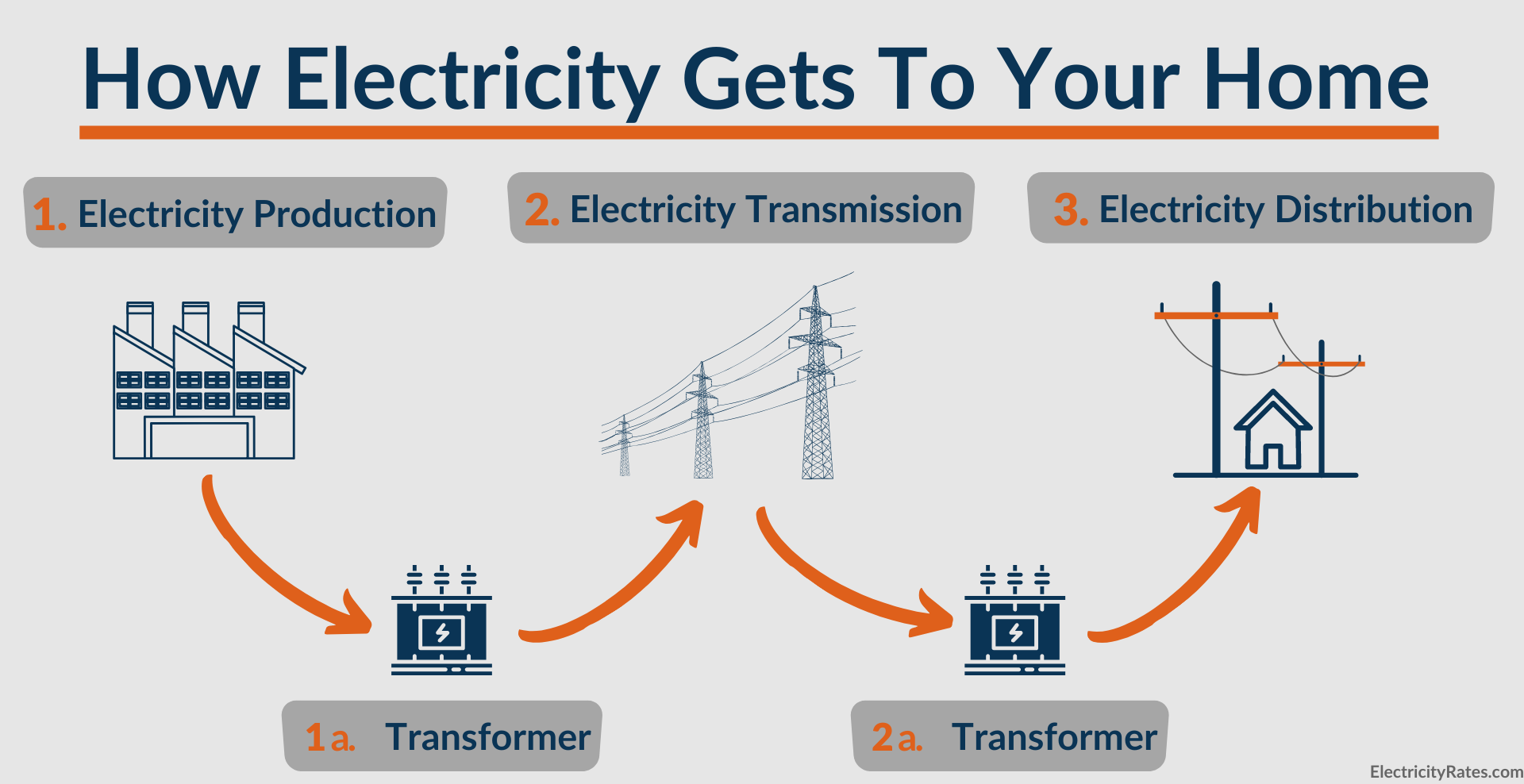
From these mighty power plants, electricity flows. It travels through colossal transmission lines, stretching across states. It's transformed at substations, stepped down for local distribution. It snakes through your neighborhood, along poles, and underground.
By the time it reaches your home, it's a continuous, flowing river of electrons. It's always there, patiently waiting at your outlets, behind your switches. It’s like a colossal, invisible plumbing system, just waiting for you to open a tap.
You're not starting the river flow. You're simply diverting a tiny trickle into your home. The river itself, the mighty flow of electricity, was started long ago, far away, by others. It’s quite humbling, really, when you think about it.
Embrace Your Inner "Off-Flipper"
So, what's our "unpopular opinion" sum-up?
You, dear reader, do not "turn on" electricity. You merely "turn off" its potential and direct it to your devices.Electricity is almost always "on" somewhere, just waiting for an invitation.
We are all simply participants in a vast, constantly running electrical ecosystem. We enjoy the benefits of power that has been generated, transmitted, and distributed by countless unseen hands. Our role is simply to choose where that power goes in our immediate vicinity.
So next time you flip a light switch, give a little nod of appreciation. Not just for the instant light, but for the intricate, sprawling system that made it possible. And remember, you're not an electricity starter; you're an expert electricity director.
It's a much more humble, yet equally important, role. And perhaps, just perhaps, it's a little bit more accurate. Now, if you'll excuse me, my kettle is waiting. I think I'll "direct" some electricity its way.