
How Do You Tig Weld Aluminum
Alright, settle in, grab a coffee, maybe a croissant, because we're about to delve into one of the most mesmerizing, frustrating, and utterly rewarding acts known to the metalworking world: TIG welding aluminum. If welding steel is like riding a bicycle, then TIG welding aluminum is like trying to ride a unicycle on a tightrope while juggling flaming chainsaws. It’s an art form, a dance, a battle of wits, and sometimes, just a really expensive way to melt things.
Let's set the scene. You've seen those sleek, shiny aluminum parts, right? Maybe a custom intake manifold, a cool boat hull, or that fancy bike frame. They look so effortless, so smooth. What you don't see are the hours of head-scratching, the singed eyebrows, and the occasional burst of profanity that went into making them. Because aluminum, bless its lightweight heart, is a bit of a diva when it comes to welding.
The Zen Art of TIG Welding
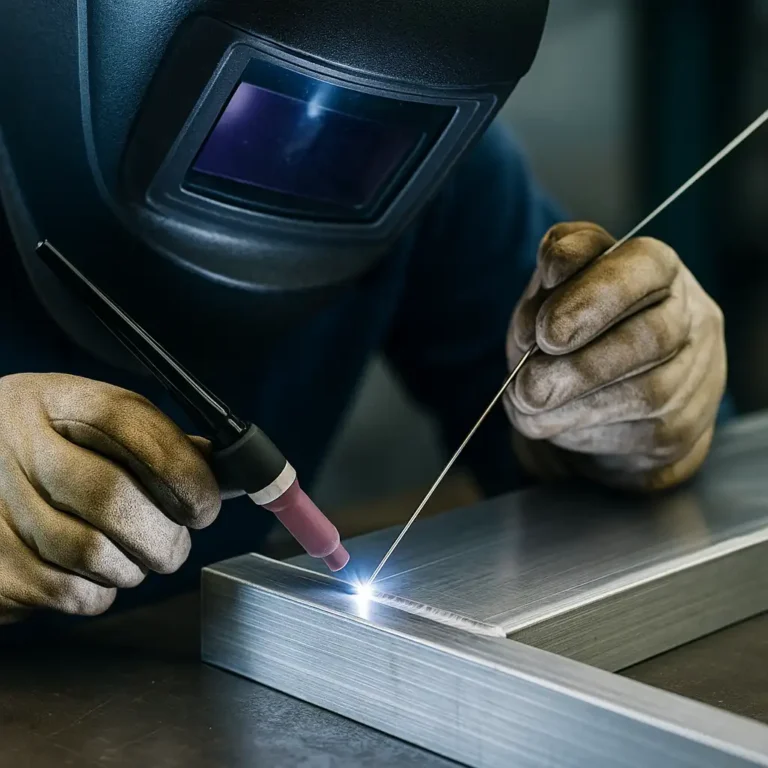
First, what even is TIG welding? TIG stands for Tungsten Inert Gas. Think of it as the surgeon of welding processes. Instead of a thick, consumable electrode like stick welding (which is basically throwing hot spaghetti at metal), TIG uses a non-consumable tungsten electrode to create an arc. This arc generates intense heat, forming a molten puddle. Then, with your other hand, you delicately feed in a filler rod, like spoon-feeding a baby dragon, to build up your weld. It’s precise, it’s slow, and when done right, it's absolutely beautiful.
Must Read
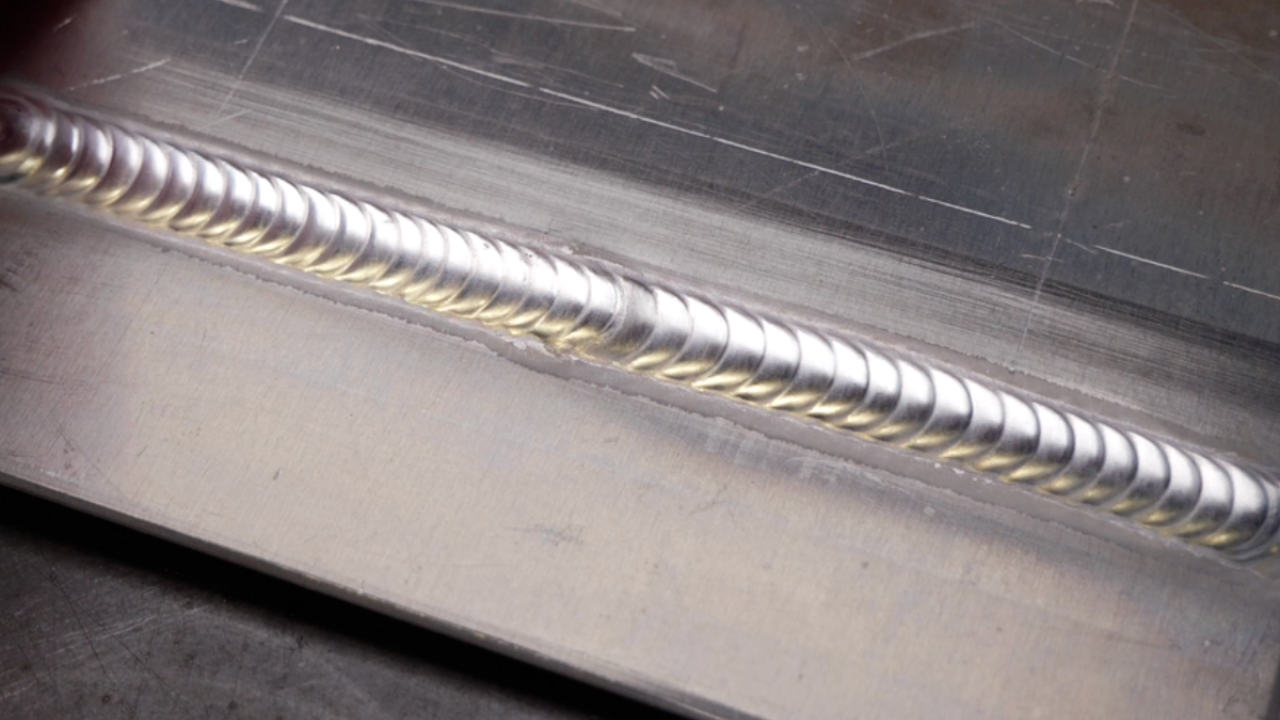
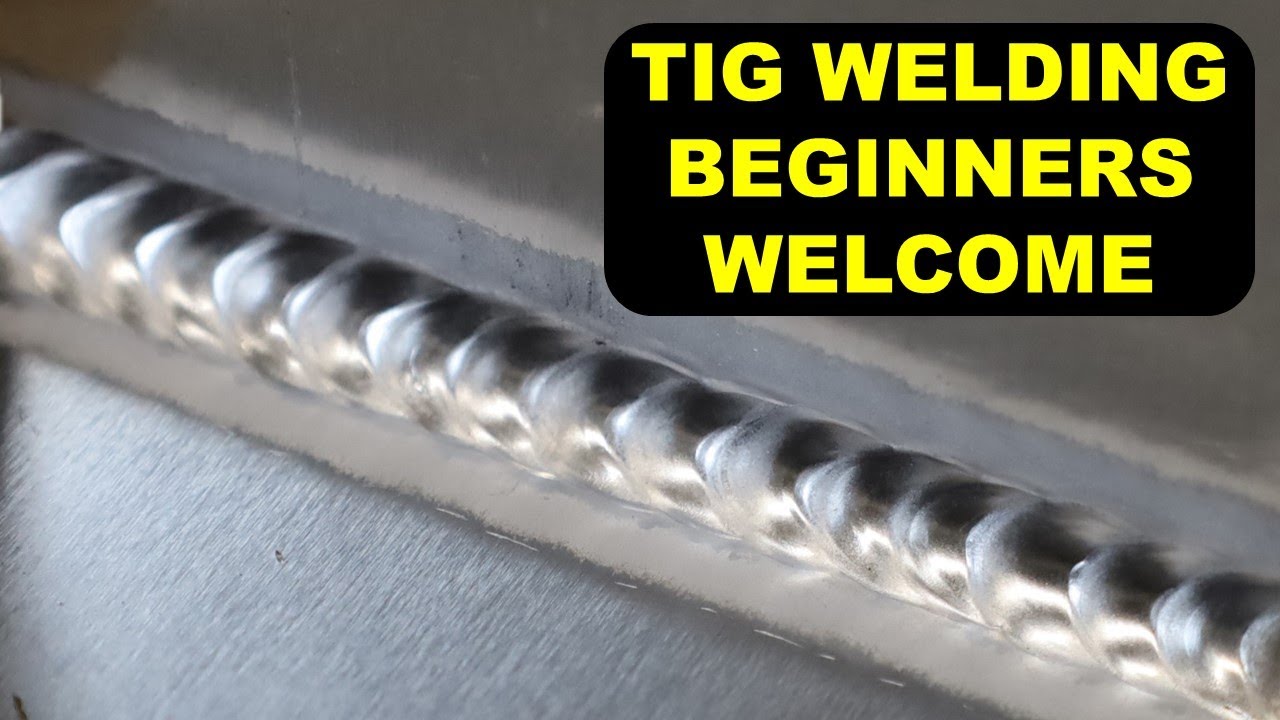
Unlike other welding methods, TIG offers unparalleled control. You control the heat with a foot pedal (like a gas pedal), and you manually add filler metal. This means you can create welds that are not only strong but also aesthetically pleasing – the famous "stack of dimes" look. But wait, we’re talking about aluminum here, and that adds a whole new layer of complexity, like trying to meditate during a heavy metal concert.
Aluminum: The Beautiful Nightmare
So, why is aluminum such a pain? Oh, let me count the ways! Or, well, let's stick to the big ones, shall we?
The Invisible Shield of Doom: Aluminum Oxide
Every piece of aluminum is covered in a layer of aluminum oxide. It's like a superhero cape, except this cape has a melting point of around 3,700°F (2,037°C), while the actual aluminum underneath melts at a comparatively tame 1,220°F (660°C). Imagine trying to melt a chocolate bar that's encased in a heat-resistant shell! You need a special trick to bust through that oxide layer, which brings us to...
AC Current: The TIG Party Trick
For steel, you generally use DC (Direct Current). But for aluminum, you switch to AC (Alternating Current). Why? Because AC cycles between positive and negative polarity. The "negative" cycle does the main welding, and the "positive" cycle provides a magical "cleaning action" that blasts away that pesky oxide layer. It's like having a tiny, invisible sandblaster built into your welding arc. It's brilliant, but also means your machine needs to be specifically equipped for AC TIG.
A Heat Sink on Steroids: Thermal Conductivity
Aluminum is an excellent conductor of heat. Great for radiators, terrible for welding. It means heat dissipates incredibly fast, so you need a lot of amperage to get it going, but then it can suddenly get too hot and collapse into a molten mess. It’s like trying to heat a frying pan that’s also cooling itself down simultaneously. You’re constantly chasing the puddle, trying to find that sweet spot.
Cleaning, Cleaning, and More Cleaning!
If you don't clean your aluminum like it's going into surgery, you're in for a bad time. Oil, grease, dirt, even your fingerprints can cause porosity (ugly little holes in your weld), contamination, and a general nightmare. You need a dedicated stainless steel brush (never use one that's touched steel!), acetone, and a serious commitment to cleanliness. Absolutely paramount!
The Dance Steps: How It's Done (Theoretically)
Okay, so you've got your fancy AC TIG machine, your perfectly sharpened pure tungsten electrode (or maybe zirconiated, because you're fancy), and a tank of 100% pure argon shielding gas (aluminum's personal bodyguard). You’ve cleaned your aluminum until it practically squeaks.
1. Set Your Machine: Dial in your AC balance (how much cleaning action vs. penetration), frequency (arc focus), and amperage. This is where experience really pays off, like a chef knowing exactly how much salt to add without measuring.
2. Press the Pedal: You initiate the arc with a high-frequency start – a little spark that gets things going without touching the tungsten to the metal (which is a cardinal sin, by the way, turning your beautiful pointy tungsten into a mushroom). The arc crackles to life, almost buzzing.
3. Form the Puddle: You watch the aluminum begin to shimmer, then melt into a bright, reflective puddle. This is the moment you become one with the metal. Too much heat, and it sags; too little, and it just sits there, mocking you.
4. Dip and Move: Once your puddle is established, you smoothly dip your filler rod into the leading edge, adding material. Then, you lift the rod, move the torch forward a tiny bit, and repeat. It’s a rhythmic "dip, move, dip, move" – like a tiny metal caterpillar building a shiny bridge.

5. Listen and Watch: The sound of a good aluminum TIG weld is a steady, almost hissing crackle. The puddle should look wet and fluid, not chunky or sluggish. You're constantly adjusting the foot pedal, playing a delicate symphony of heat.
The Payoff: Stack of Dimes Glory
When you get it right, oh, the satisfaction! You pull away, and there it is: a beautiful, even row of perfectly formed ripples, often called a "stack of dimes." It gleams, it’s strong, and it fills you with the kind of pride usually reserved for parents of honor students. You've tamed the aluminum beast!
TIG welding aluminum isn't for the faint of heart. It demands patience, practice, and a willingness to occasionally turn a perfectly good piece of metal into a molten blob. But for those who embrace the challenge, it's an incredibly rewarding skill, opening up a world of lightweight, custom fabrication. So, next time you see a beautifully TIG-welded aluminum piece, give a silent nod to the wizard who battled the oxide layer, played the heat symphony, and danced with the metal to create that masterpiece.