How Do You Test A Carbon Monoxide Alarm
There are some things in life we hope we never have to use, but we're profoundly grateful they exist. Think seatbelts, fire extinguishers, or that one friend who always brings a spare phone charger. Among these unsung heroes sits the carbon monoxide alarm. We don't exactly "enjoy" the thrill of its existence in the same way we might a new gadget, but we certainly revel in the profound peace of mind it provides. It’s the silent guardian, the vigilant sentinel, keeping watch over our homes and loved ones without ever asking for a moment of our attention... until it's time for a little check-up, that is!
The benefits and purpose of a carbon monoxide alarm are, quite frankly, life-saving. Carbon monoxide (CO) is often dubbed the "silent killer" for a terrifying reason: it's an invisible, odorless, tasteless gas. It can be produced by everyday fuel-burning appliances like furnaces, water heaters, gas ranges, and fireplaces. Without an alarm, you wouldn't know it was there until symptoms like headaches, dizziness, or nausea set in, often too late or mistaken for something else. A CO alarm is your early warning system, giving you precious time to evacuate and seek help, making it an indispensable part of modern home safety.
You’ll find these crucial devices strategically placed throughout homes. Common wisdom suggests installing one on every level of your home, especially near sleeping areas. Many choose to place them close to attached garages (where car exhaust can be a CO source) or near major fuel-burning appliances like your furnace or water heater. They come in various forms: battery-operated for easy placement, plug-in models that also often feature a battery backup, and hardwired versions that connect directly to your home's electrical system, often integrated with smoke alarms.
Must Read
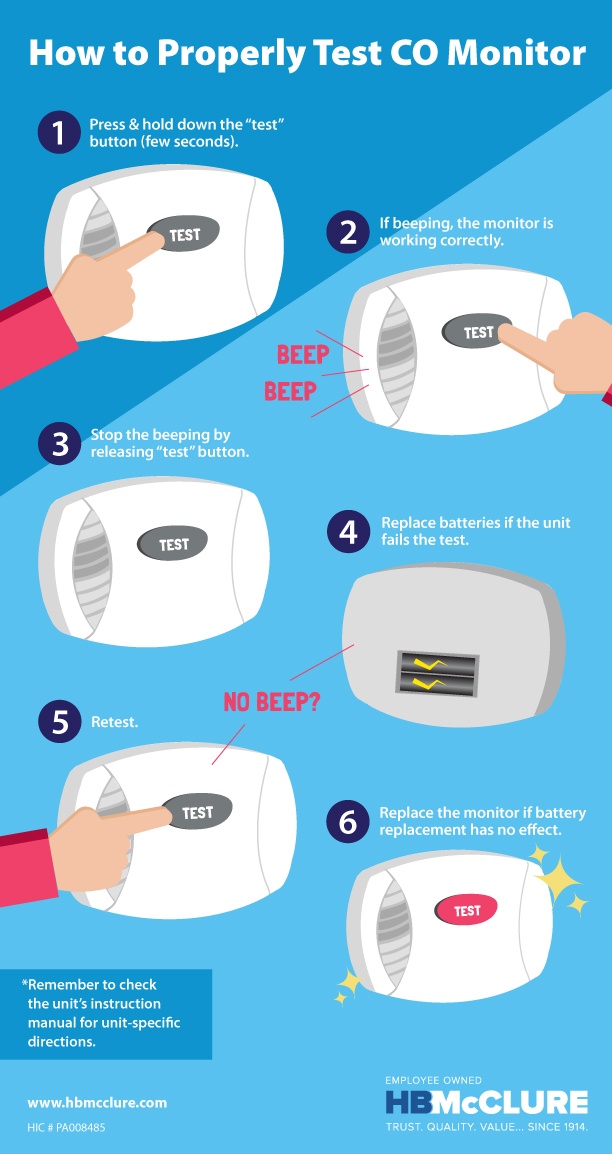
Now, for the fun part: how do you "enjoy" this vital piece of equipment more effectively, or rather, how do you ensure it’s always ready to do its job? It’s surprisingly simple! Most carbon monoxide alarms come equipped with a test button. Pressing this button for a few seconds will trigger a loud alarm, confirming that the alarm's internal circuitry, horn, and battery are all functioning. It’s like giving your alarm a quick wake-up call, a little "Are you there, old friend?" to which it replies with a resounding beep. Make this a monthly ritual, perhaps on the first day of the month, or link it to another regular task.
Beyond the monthly button press, there are a couple more vital tips. Firstly, just like smoke detectors, CO alarms are powered by batteries (unless hardwired). If yours is battery-operated or has a battery backup, aim to change the batteries annually. A good trick is to do it when you change your clocks for daylight saving time – "spring forward, fall back, and change your batteries!" Secondly, and this is crucial: carbon monoxide alarms have an expiration date. Typically, they last between 5 and 7 years. Look for a "replace by" date printed on the back of the unit. After this date, the sensor’s ability to detect CO accurately may diminish, rendering your guardian less vigilant. Replace expired units promptly. Remember, while professional testers use calibrated CO gas to test sensors, for homeowners, pressing the test button and respecting the expiry date are the most practical and effective ways to keep your silent guardian in peak condition, ensuring true peace of mind.