How Do You Recharge A Window Ac

Ever feel that creeping dread as summer approaches, and your trusty window AC unit just isn't blowing as cold as it used to? That weak, lukewarm breeze can feel like a personal betrayal when the mercury starts to climb. But here's a fun thought: what if you could understand (and maybe even fix) why it's not cooling? Diving into how you "recharge" a window AC isn't just a party trick; it's a wonderfully practical skill that can save you from sweltering heat and hefty repair bills. It's about empowering yourself to keep cool, literally!
For beginners, just understanding the basics of an AC’s refrigeration cycle can be a huge confidence booster. It demystifies a complex machine, making home maintenance feel less intimidating. Families stand to gain immensely, as a properly functioning AC means comfortable living spaces, better sleep, and fewer arguments over the thermostat during those scorching days. Imagine avoiding the hassle of scheduling a technician and paying premium rates, simply because you know what's going on! And for the budding hobbyists or DIY enthusiasts, exploring AC recharging offers a fascinating peek into the world of HVAC, expanding your toolkit of practical knowledge and allowing you to tackle more intricate home projects with newfound expertise.
When we talk about "recharging" an AC, we're primarily referring to adding more refrigerant – the special chemical that absorbs heat from your room and releases it outside. Units might need recharging if they've developed a small leak over time, causing the refrigerant level to drop. It’s important to note that AC units don't "consume" refrigerant; if it's low, there's a leak somewhere. Older units might use R22 refrigerant, while newer ones typically use R410A, and these are not interchangeable. You can often spot signs like your AC running constantly but not cooling effectively, or even ice forming on the coils. Knowing this helps you diagnose the problem even before you think about fixing it.
Must Read
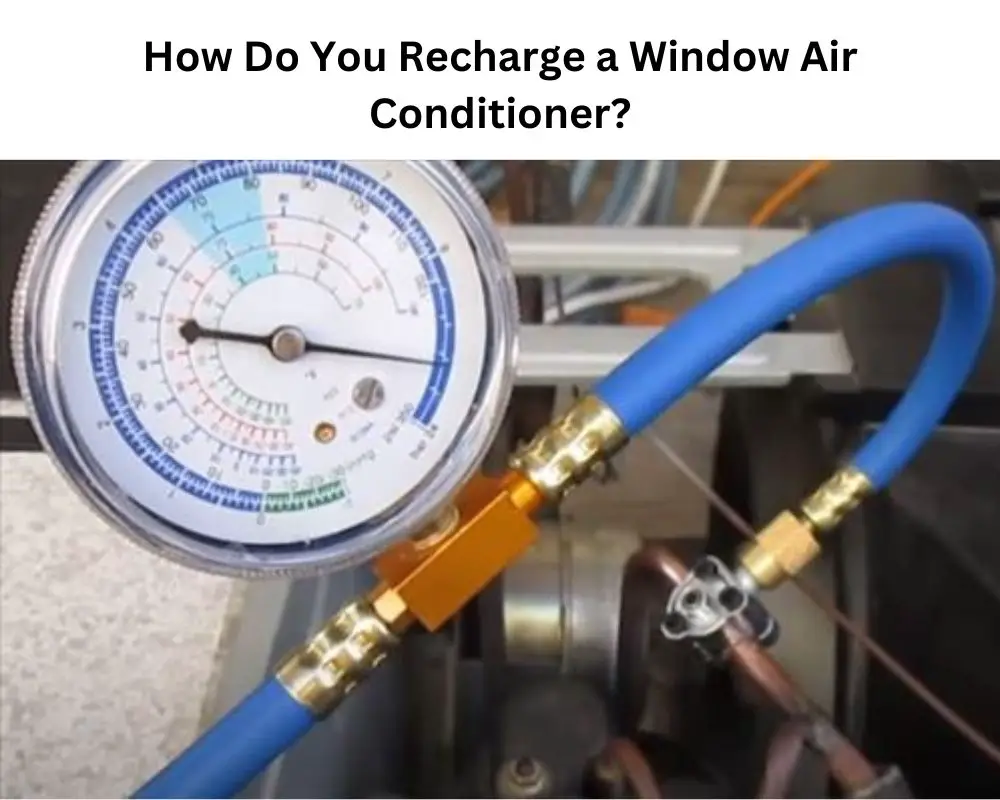
Ready for some simple, practical tips if you're curious? First and foremost, safety is paramount! Always unplug your AC unit before doing anything else, and wear eye protection and gloves. Before you even think about adding refrigerant, you need to know which type your unit uses, usually found on a sticker. A crucial step often overlooked is checking for leaks. You can sometimes find small leaks with a simple soap and water solution, looking for bubbles where refrigerant might be escaping. While adding refrigerant yourself often involves a special "recharge kit" with gauges, understand that this is typically a temporary fix if a leak isn't sealed. For anything beyond a very minor top-off or if you suspect a significant leak, it's often best to call a certified HVAC professional. They have the specialized tools (like vacuum pumps to remove moisture and air) and expertise to properly repair leaks and ensure your system is running optimally and safely.
Ultimately, the value of understanding how your window AC recharges goes beyond just saving money. It's about gaining a deeper appreciation for the technology that keeps us comfortable, and the satisfaction of knowing you're capable of tackling a challenge. A cool home is a happy home, and empowering yourself with this knowledge is a truly valuable step towards enjoying your living space to the fullest.
![How To Recharge A Window Air Conditioner [8 Easy Steps]](https://images.farmfoodfamily.com/wp-content/uploads/2021/05/how-to-recharge-window-ac-696x583.jpg)