
How Do You Measure The Size Of A Ceiling Fan
Ever looked up at your ceiling fan and wondered, “Just how big are you?” It's a question that probably pops into your head between dodging rogue dust bunnies flung from the blades and contemplating the mysteries of why remote controls always vanish.
Turns out, measuring a ceiling fan isn’t about whipping out a tiny ruler and meticulously inching across its diameter. It's a bit more… theatrical.
The Wingspan Method: Embracing Your Inner Bird
The most common way to size up your whirling friend is by its wingspan. Think of it like measuring a majestic eagle, only less likely to peck your eyes out.
Must Read
Forget about measuring the motor housing in the middle. That part is important for sure, but we’re after the full sweep of the blades.
Grab your trusty measuring tape. No, not that tiny one from your sewing kit. You’ll need a proper, extendable one – the kind your grandpa used to measure lumber for his birdhouses.
From Tip to Tip: The Great Fan-Measuring Adventure
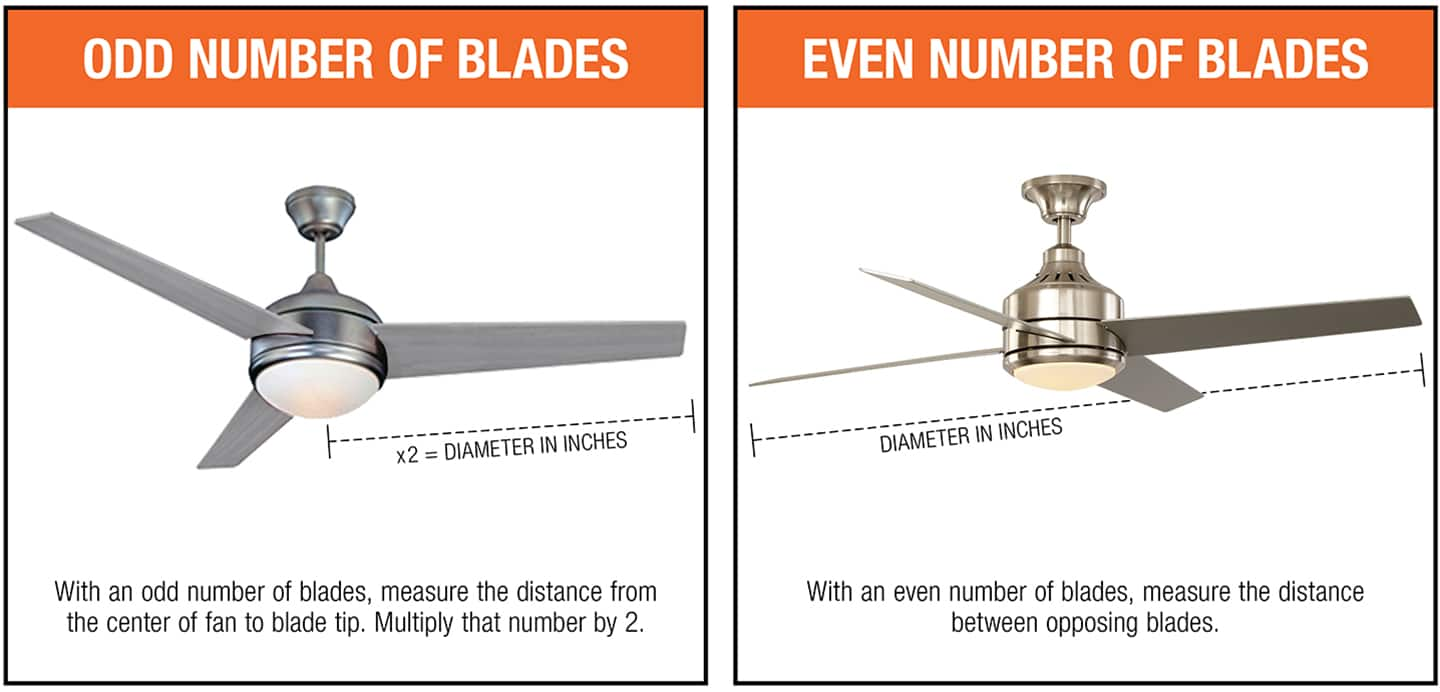
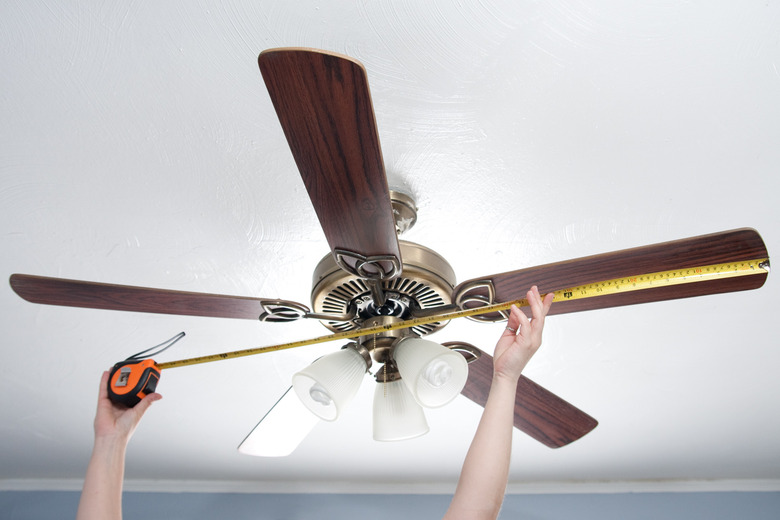
Find the tip of one blade. Now, extend your tape measure directly across the center of the fan to the tip of the opposite blade.
You’re measuring the entire diameter, from one extreme point to the other. Write down that number!
This number, usually given in inches, is your fan's size. Simple as that!
Don’t worry if you need a stepladder for this. Just make sure it's stable and that you've turned off the fan, unless you're aiming for a Darwin Award.

Why Does Size Matter, Anyway? A Fan's Tale
So, you have your fan's measurements. Now what? It’s not like you're entering it in a beauty contest (though a well-chosen fan is a thing of beauty!).
The size of your fan directly impacts its effectiveness in cooling (or warming) your room. Too small, and you’ll feel like a penguin in the Sahara. Too big, and you'll be living in a wind tunnel.
Larger rooms need larger fans. Smaller rooms? You guessed it. A smaller fan will do the trick.
Matching the fan size to the room size ensures optimal air circulation and energy efficiency. A properly sized fan can actually save you money on your energy bill!
Room Dimensions: The Key to Fan Happiness
Here’s a general guideline, but always consult with a professional or refer to the manufacturer's recommendations for specific fan models:
For rooms up to 75 square feet, a 36-inch fan is usually sufficient. Imagine it gently whispering cool air around your cozy reading nook.
Rooms between 76 and 144 square feet can benefit from a 42-inch fan. Perfect for a smaller bedroom or home office.
Larger bedrooms, living rooms, or dining areas (144 to 225 square feet) typically require a 52-inch fan. This is the workhorse of the fan world.
For truly expansive spaces (over 225 square feet), consider a 60-inch fan or even multiple fans. Think grand ballrooms or sprawling family rooms.
Beyond the Blades: Other Important Fan Facts
While the wingspan is the primary measurement, there are a few other things to consider when choosing a ceiling fan.
Blade pitch – the angle of the blades – affects how much air the fan moves. A steeper pitch generally means more airflow.
Motor size and quality also play a crucial role in the fan’s performance and longevity. A cheap motor might save you money upfront, but it could end up costing you more in the long run due to repairs or replacement.
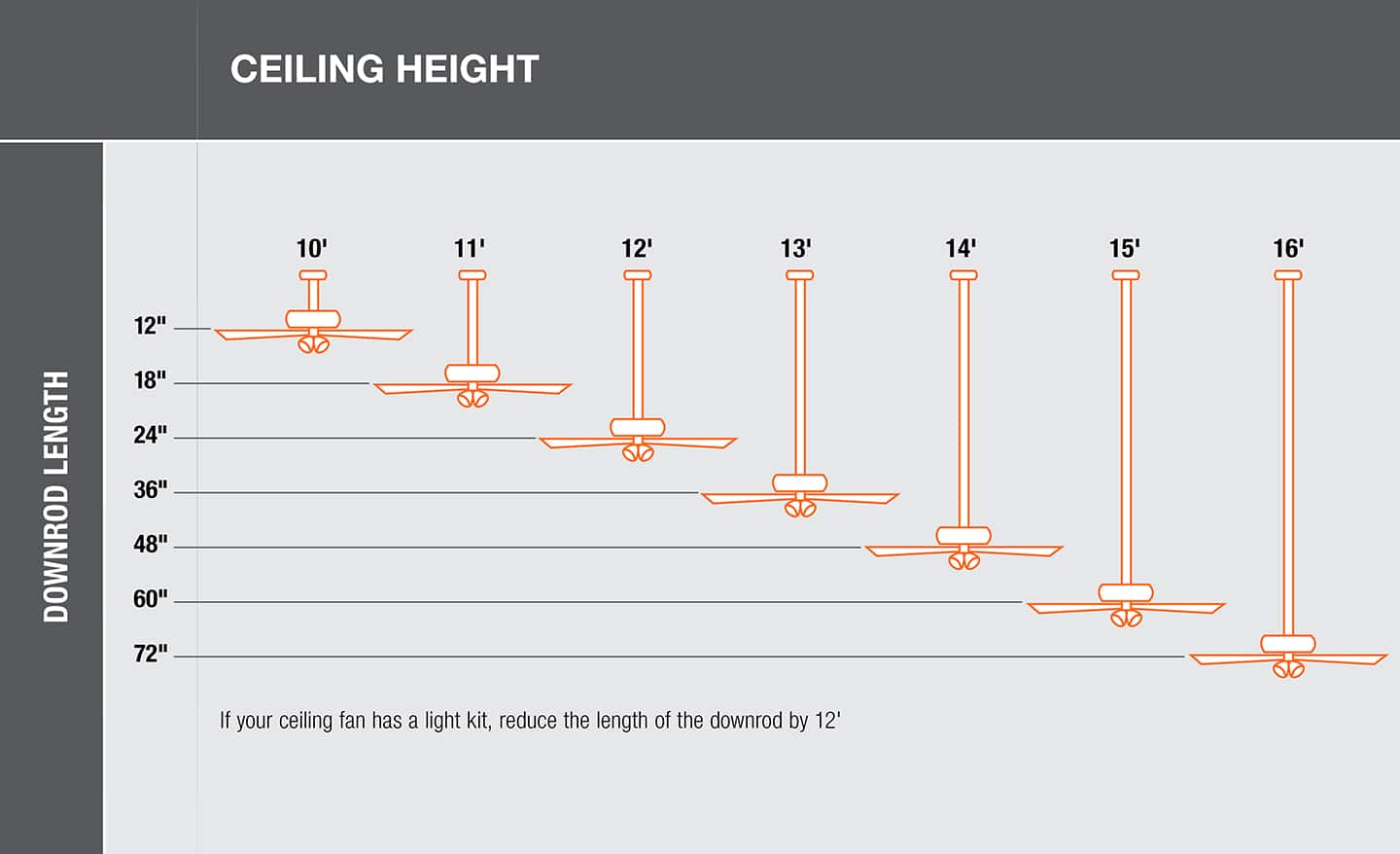
And don’t forget about the downrod – the metal rod that connects the fan to the ceiling. The length of the downrod is important for optimal airflow, especially in rooms with high ceilings.

The Downrod Dilemma: Avoiding the Dreaded Head-Bumping Incident
If you have low ceilings, you'll need a "hugger" or "flush mount" fan that sits close to the ceiling. This prevents accidental head trauma and ensures that even the vertically challenged can enjoy the cooling breeze.
For higher ceilings, a longer downrod is essential. This positions the fan at the optimal height for air circulation – typically 8 to 9 feet above the floor.
Imagine installing a fan with too short a downrod in a room with 12-foot ceilings. The fan would be practically useless, just a decorative spinning object mocking your efforts to stay cool.
Style Matters: Finding Your Perfect Fan Match
Once you’ve determined the appropriate size and features, it’s time to consider the aesthetics. Your ceiling fan should complement your home’s décor and reflect your personal style.
From sleek and modern designs to rustic and traditional styles, there’s a ceiling fan out there for every taste. Don't be afraid to get creative and choose something that you love.
Consider the finish of the fan – brushed nickel, oil-rubbed bronze, white, black, and more. Think about the blade material – wood, metal, plastic, or even woven bamboo.
And don't forget about the lighting! Many ceiling fans come with integrated light fixtures, which can provide both ambient and task lighting.
The Remote Control Conspiracy: A Never-Ending Mystery
One final, crucial element: the remote control. These tiny devices seem to have a natural affinity for vanishing into the abyss.
One minute it's there, nestled comfortably on the coffee table. The next, it's gone, swallowed by the sofa cushions or spirited away by mischievous gremlins.
Investing in a remote control holder or wall-mounted docking station can help keep your remote from disappearing into the nether regions of your living room.
A Final Spin: Enjoying Your Perfectly Sized Fan
So, there you have it – a comprehensive guide to measuring and choosing a ceiling fan. It's a simple process, but one that can have a significant impact on your comfort and energy efficiency.
Next time you look up at your ceiling fan, you’ll not only know its size, but also appreciate the engineering and design that went into creating this essential home appliance.
Now, go forth and conquer the world of ceiling fans! May your measurements be accurate, your blades be balanced, and your remote controls remain within reach.
And remember, a happy fan makes for a happy home. So, choose wisely, measure carefully, and enjoy the gentle breeze of a perfectly sized ceiling fan.