How Do You Make Your House More Energy Efficient
Let's face it, talking about energy efficiency might not sound like the most thrilling topic at first. But trust me, it can be! Think of it as a fun game of detective, uncovering hidden ways to save money, help the planet, and make your home even more comfortable. Plus, who doesn't love feeling a bit more in control of their bills?
Whether you're a total beginner just starting to think about your energy usage, a busy family trying to cut costs, or a DIY enthusiast looking for a weekend project, there's something in energy efficiency for everyone. For beginners, it's about making small, manageable changes that add up over time. For families, it's about creating a more sustainable and affordable home environment for your loved ones. And for hobbyists, it's a chance to get your hands dirty, learn new skills, and create a more eco-friendly space using your own ingenuity.
So, what does making your house more energy efficient actually look like? Well, it's a bit like building a puzzle, with many different pieces contributing to the overall picture. Here are a few examples:
Must Read
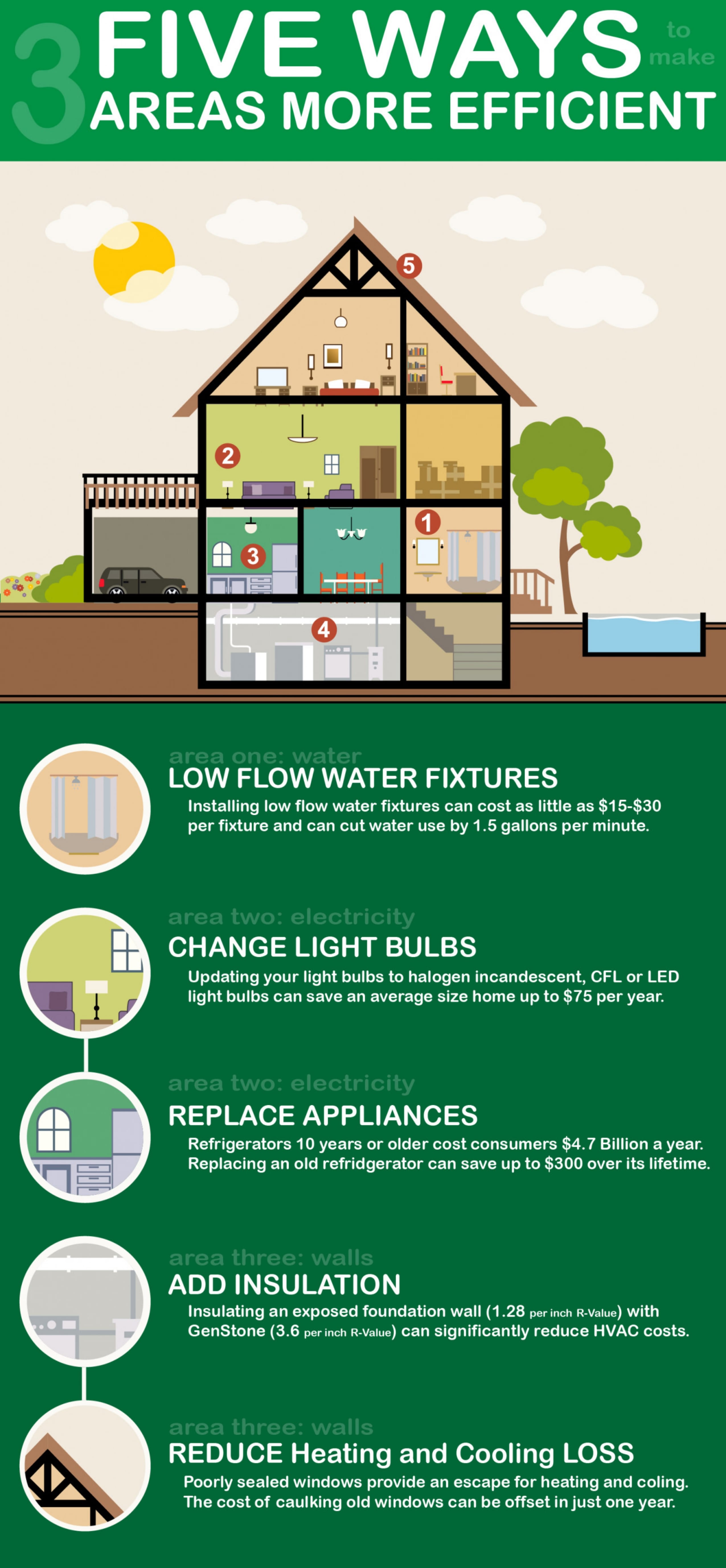
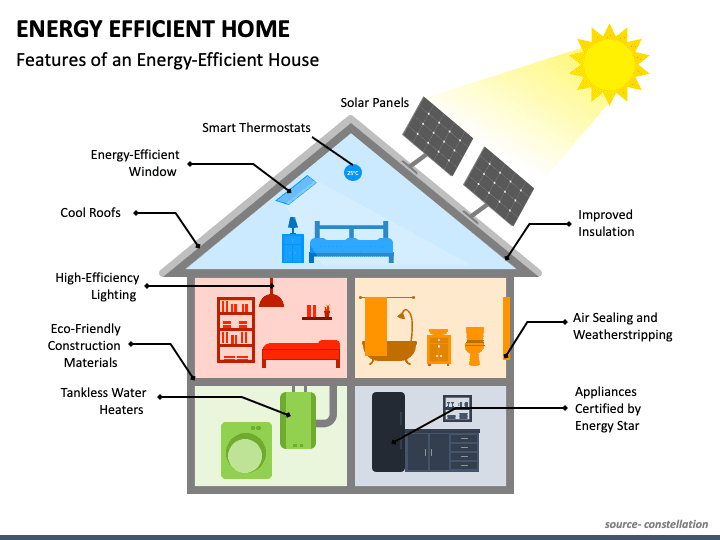
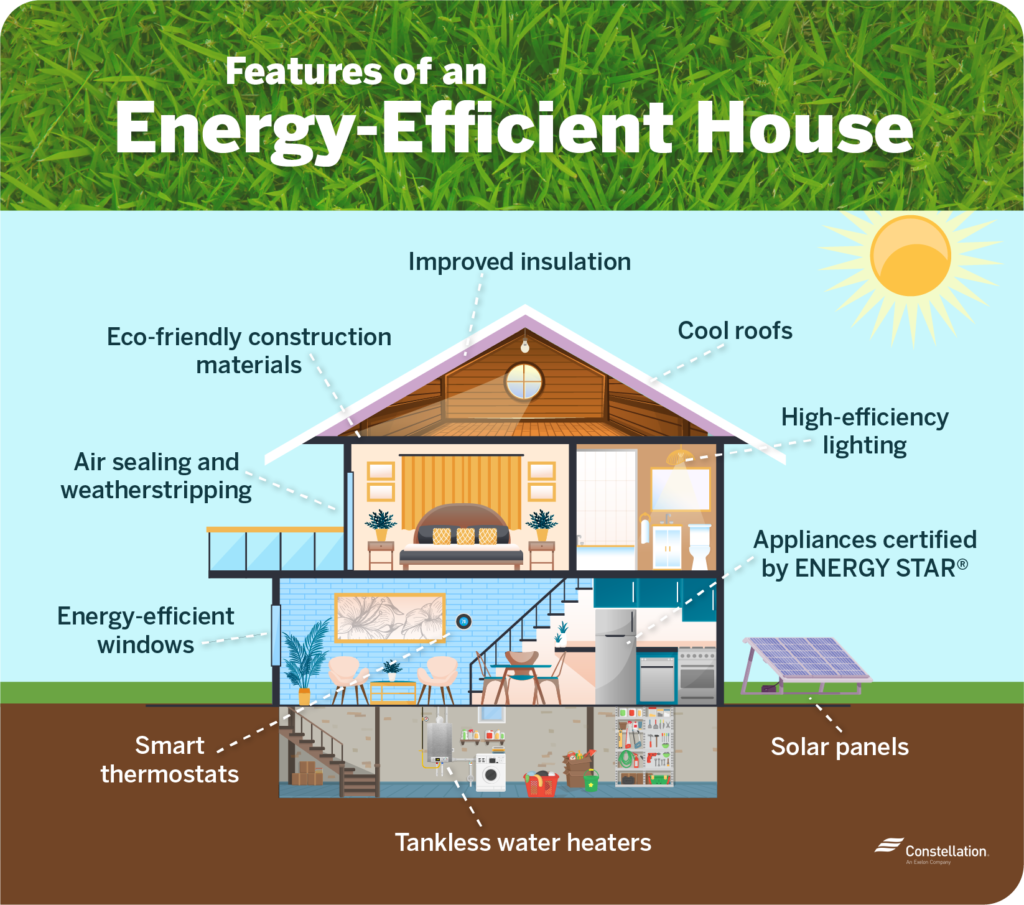
- Lighting: Switching from incandescent bulbs to LEDs is a classic move. LEDs use significantly less energy and last much longer, saving you money and hassle. You could even invest in smart bulbs that you can control with your phone!
- Insulation: Think of insulation as a cozy blanket for your home. Proper insulation in your attic, walls, and floors keeps heat in during the winter and out during the summer, reducing the need for excessive heating and cooling.
- Drafts: Sealing up those pesky drafts around windows and doors can make a huge difference. A simple bead of caulk or weather stripping can stop cold air from sneaking in.
- Appliances: When it's time to replace an old appliance, look for Energy Star certified models. These appliances are designed to use less energy than standard models, saving you money in the long run.
- Water Heating: Consider lowering the temperature on your water heater a few degrees. You'll hardly notice the difference, but you'll save energy. You could also install low-flow showerheads and faucets to reduce water usage.
Getting started doesn't have to be overwhelming! Here are a few practical tips:
- Start with an energy audit. Many utility companies offer free or low-cost energy audits to identify areas where your home is wasting energy.
- Tackle the easy fixes first. Replace light bulbs, seal drafts, and adjust your thermostat. These small changes can make a noticeable difference.
- Set realistic goals. Don't try to do everything at once. Focus on one or two projects at a time and celebrate your progress.
- Don't be afraid to ask for help. There are many resources available to help you make your home more energy efficient, from online guides to professional contractors.
Ultimately, making your house more energy efficient is about more than just saving money (though that's a definite perk!). It's about creating a more comfortable, sustainable, and responsible home for yourself and your family. It's about understanding how your home works and taking control of your energy consumption. So, embrace the challenge, have some fun with it, and enjoy the feeling of making a positive impact, one small step at a time!