How Do You Make A Laser Beam

Ever held a laser pointer, watched a laser light show, or seen a barcode scanned at the supermarket and wondered, "How on Earth do they make that beam?" Lasers feel like something straight out of science fiction, incredibly precise and powerful. But the truth is, the fundamental science behind them is surprisingly understandable, and it's a fascinating journey to peel back the layers of that mystery. Understanding how a laser works isn't just about cool tech; it's about appreciating a fundamental piece of physics that's all around us, making our lives easier, safer, and a lot more spectacular.
For beginners, diving into the world of lasers is a fantastic way to grasp basic concepts in light, energy, and even quantum mechanics without needing a physics degree. It sparks curiosity and shows how abstract scientific principles can lead to very real, tangible inventions. Families can turn this into a fun, educational exploration. Discussing how light works, or the idea of reflecting energy, can be a great rainy-day topic that expands horizons beyond screens. And for hobbyists, while building a powerful laser is definitely for experts and comes with significant safety warnings, understanding the principles opens doors to appreciating high-tech tools like laser engravers, 3D printers using laser sintering, or even just fixing a DVD player's optical pickup unit.
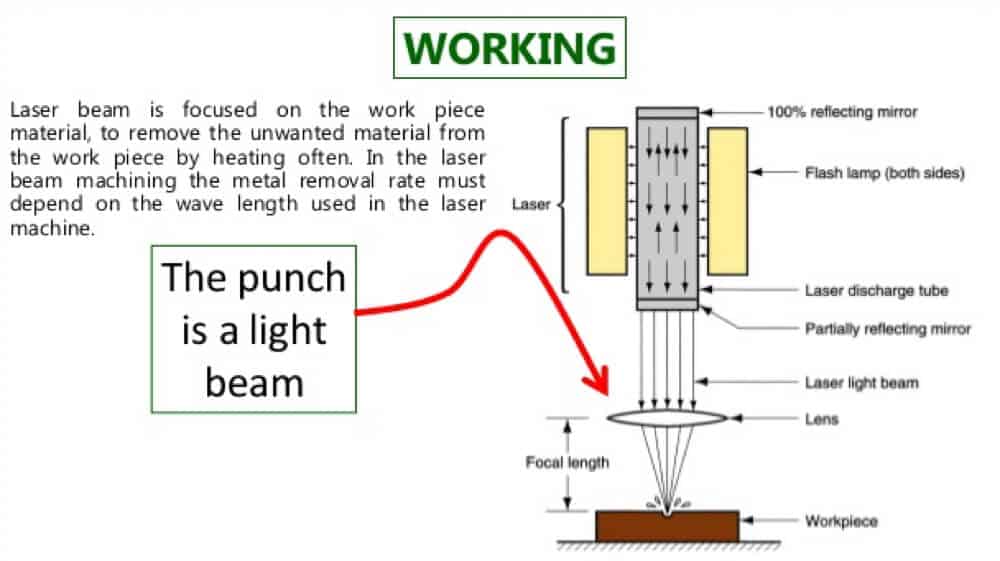
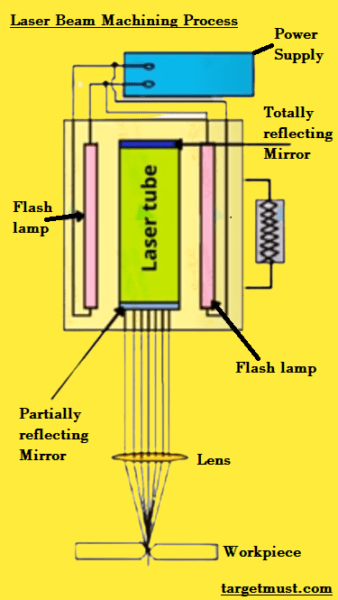
So, how do you actually make a laser beam? At its heart, a laser needs three main ingredients: an energy source, a gain medium, and a pair of mirrors. Think of it like this: The energy source (which could be electricity or another light source) "pumps" energy into the gain medium. This medium can be a gas (like in helium-neon lasers), a crystal (like ruby lasers), or a semiconductor (like in the tiny diodes found in laser pointers). When the atoms in this gain medium absorb enough energy, they get "excited."
Must Read
These excited atoms then release photons (particles of light) as they return to a lower energy state. The clever part is the mirrors. One mirror is fully reflective, and the other is partially reflective. They create a "resonant cavity." Photons bounce back and forth between these mirrors, stimulating other excited atoms to release identical photons. This process, called stimulated emission, amplifies the light. Eventually, a highly concentrated, perfectly aligned beam of light – a laser beam – escapes through the partially reflective mirror. This light is coherent, meaning all its waves are perfectly in step, giving lasers their unique precision and intensity.
Want to get started on your own laser journey? While we're not suggesting you build one in your garage (powerful lasers are no joke and require strict safety protocols!), here are some simple, practical tips: First, grab a common laser pointer. Observe its beam. Why is it so focused? Second, hit the internet! Search for "how a laser diode works for dummies" or "what is coherent light explained." YouTube channels like Smarter Every Day or Veritasium often have fantastic, easy-to-understand videos on light and lasers. Third, if you're into electronics, learn about LEDs first; they're simpler cousins of laser diodes. Always, always remember that even low-power lasers can damage eyes, so never look directly into a laser beam or point it at others.
From scanning your groceries to performing delicate surgery, lasers are everywhere, quietly powering much of our modern world. Taking a moment to understand the ingenuity behind that glowing beam isn't just a science lesson; it's an invitation to appreciate the magic woven into the fabric of our everyday lives. It's truly a shining example of how understanding the tiny, invisible world of atoms can illuminate our entire universe.