
How Do You Load Test A Battery

Ever had that moment where your trusty gadget, be it your phone or even your car, suddenly decides to throw a surprise party for itself – a power-off party? It’s not fun, especially when you’re in the middle of something important. Well, the unsung hero behind preventing many of those frustrating moments for bigger batteries (like the one in your car!) is called a load test.
Think of it like giving your battery a little health check-up, but instead of poking and prodding, we're making it do some actual work. Because let's face it, a battery that just sits there looking pretty isn't really proving anything, is it?
Why Bother with This "Load Test" Thingy?
You might be thinking, "My car starts, so my battery's fine, right?" Well, maybe! But a battery can sometimes be a bit of a drama queen. It might have enough juice to just barely crank your engine, but if it's struggling, it could leave you stranded when you least expect it. Imagine being late for that super important coffee date because your battery decided to take an unscheduled nap!
Must Read
A load test helps you see how your battery performs under stress, much like how a good friend shows their true colors when things get tough. It tells you if your battery is a reliable workhorse or just faking it till it makes it. Knowing this can save you a whole lot of headaches, time, and maybe even a tow truck fee!
Your Super-Duper Battery Testing Toolkit
Don't worry, you won't need a lab coat or a secret lair. To load test a battery, you primarily need two things, and they're both pretty friendly:

1. A Multimeter: This little wizard tool measures voltage. It's like a battery's personal thermometer, telling you its resting temperature (or voltage, in this case). You can grab one for not too much cash, and they're super handy for all sorts of electrical shenanigans.
2. A Battery Load Tester: Ah, the star of our show! This is the gizmo that actually puts your battery to work. It draws a specific amount of power from the battery for a short period, simulating what happens when you start your car or power up something demanding. There are fancy digital ones and simpler analog versions, but they all do the same job: give your battery a workout.
Let's Get This Party Started! (The Load Test Party, That Is)
Okay, ready to become a battery detective? Here's the lowdown on how to perform a load test:
Step 1: Safety First, Always!
Before you touch anything, grab some safety glasses and maybe some gloves. Batteries contain nasty chemicals, and while rare, things can go wrong. Better safe than sorry, and you'll look really smart (and maybe a little mysterious) in those glasses!
Step 2: Get Your Battery Fully Charged
You wouldn't ask a sleepy friend to run a marathon, right? Same goes for your battery! Make sure it's fully charged before testing. A partially charged battery will give you misleading results, and we want the truth, the whole truth, and nothing but the truth!

Step 3: The Resting Voltage Report Card
First, grab your multimeter. Connect the red lead to the positive terminal (+) and the black lead to the negative terminal (-). Your battery should ideally show around 12.6 to 12.8 volts. If it's significantly lower, it might already be telling you something's up, even without the load test.
Step 4: Bring on the Load! (The Fun Part!)
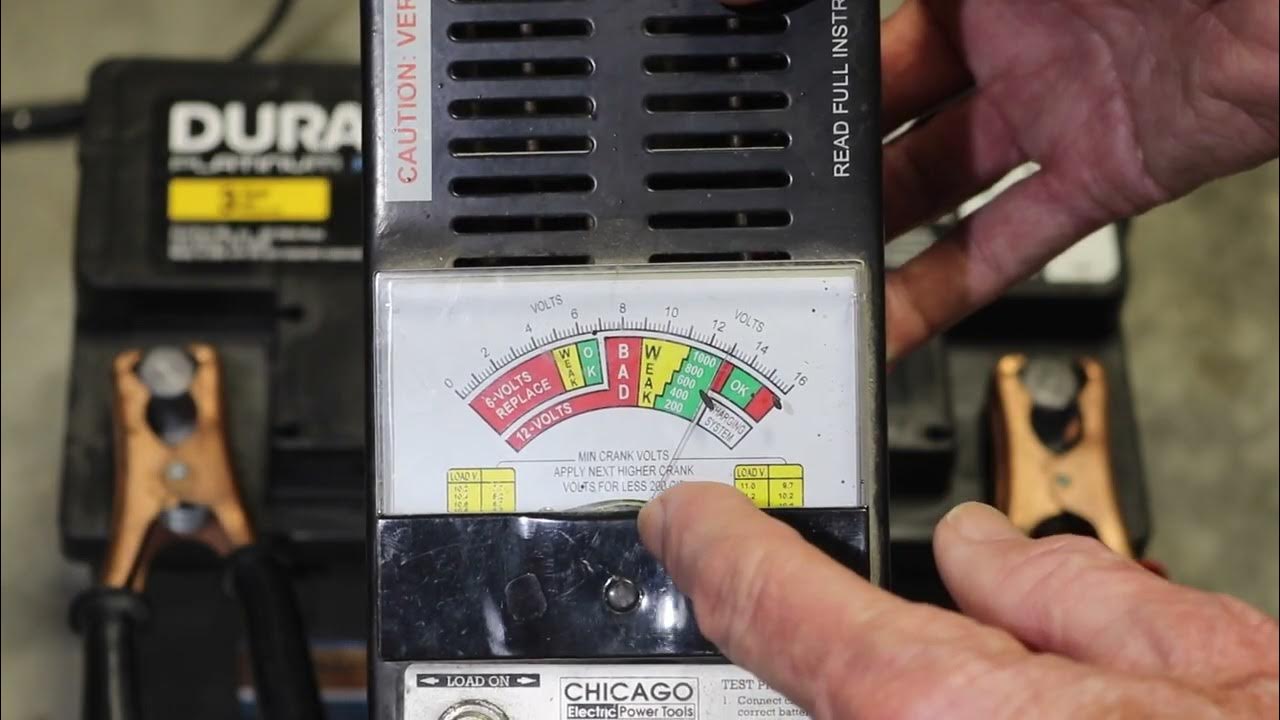
Now, for the main event! Connect your battery load tester. Follow the instructions for your specific tester, but generally, you'll connect the clamps just like you did with the multimeter (red to positive, black to negative).
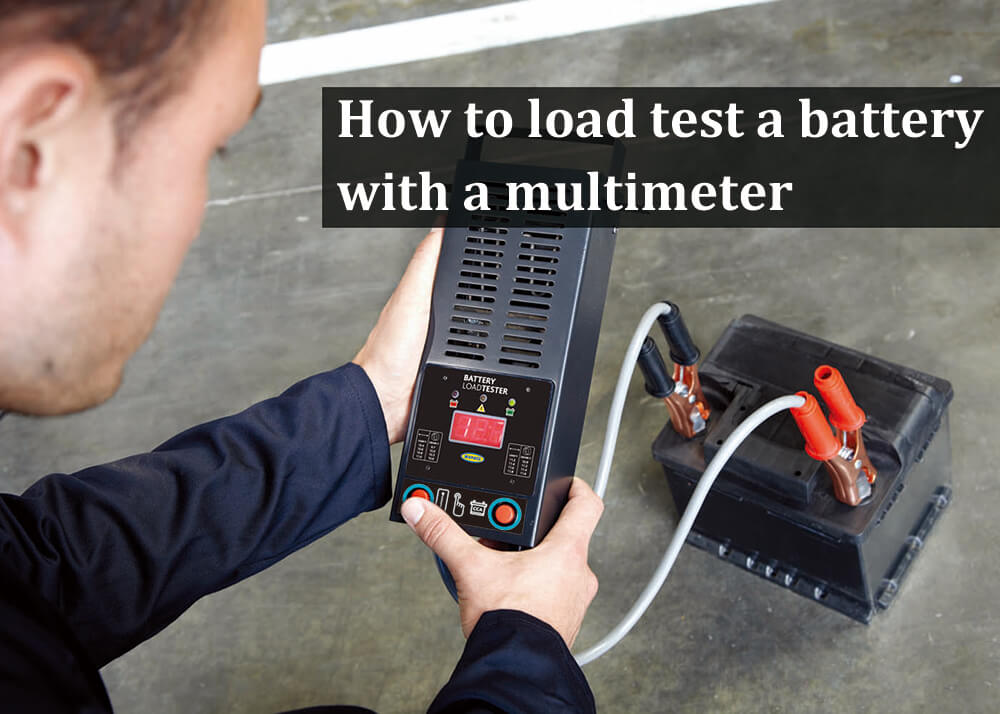
Most testers will have a button or switch to apply the load. Press it for about 10-15 seconds. During this time, the tester will draw a significant amount of current from the battery, simulating an engine crank. Keep an eye on the voltage reading on the tester.
Step 5: Deciphering the Numbers
After those 10-15 seconds, release the load button. What did you see? A healthy 12-volt battery should ideally not drop below 9.6 volts during the load test. Some might even stay above 10 volts, which is fantastic! If it dips significantly below 9.6 volts, or worse, keeps dropping rapidly, you've found your culprit.
What Do Those Wobbly Numbers Mean?
- Above 9.6V (and stable): Hooray! Your battery is a champ! It's got plenty of reserve power and is ready for action. Give it a pat on the back (metaphorically, of course).
- Below 9.6V (or dropping fast): Uh oh. This is usually a sign that your battery is nearing the end of its life, or maybe even already there. It's struggling under pressure and might leave you stranded sooner rather than later. Time to start thinking about a replacement!
- Completely dead during the test: Well, that's pretty self-explanatory, isn't it? Time for a new one, like, yesterday!
Wrapping It Up with a Spark!
And there you have it! You've just performed a battery load test like a seasoned pro. It's a simple, empowering way to understand the health of your battery and prevent those pesky surprise power-offs. Knowing your battery's true strength gives you peace of mind, confidence, and one less thing to worry about in your busy life.
So go forth, test those batteries, and keep your adventures powered up and rolling smoothly! You've got this, and your battery (and your future self) will thank you!