How Do You Know When To Pump Septic Tank
Ah, the unsung hero of the modern home – your septic system! While it might not be the topic of lively dinner party conversations, there’s a quiet satisfaction, a profound sense of peace, that comes from knowing your home’s waste management system is chugging along smoothly. For those of us living off the municipal grid, the septic tank isn’t just a convenience; it’s the invisible backbone that keeps our daily lives flowing, quite literally, without a hitch. The joy isn't in thinking about it, but in the blissful ignorance of not having to think about it.
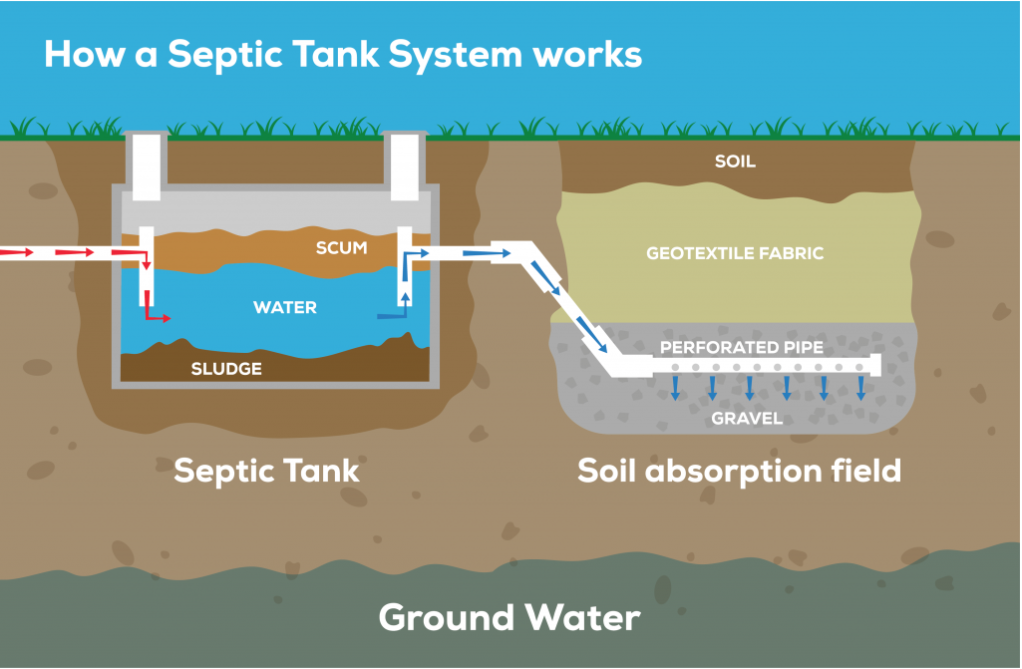
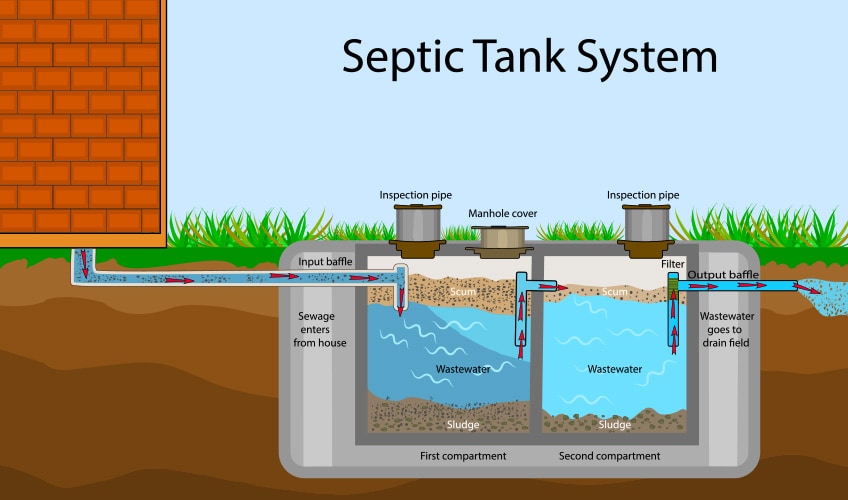
So, what exactly is this marvel of engineering doing down there? Simply put, your septic tank is a miniature, underground wastewater treatment plant. Every flush, every shower, every load of laundry, every dish washed – your septic system is on duty, silently handling the aftermath. It patiently separates solids from liquids, allowing helpful bacteria to break down organic matter, and then safely disperses the treated liquid into the drain field. The massive benefit? It protects public health and the environment by properly treating household wastewater, preventing nasty backups, and keeping our water sources clean. Without it, well, let's just say life would get very messy, very quickly.
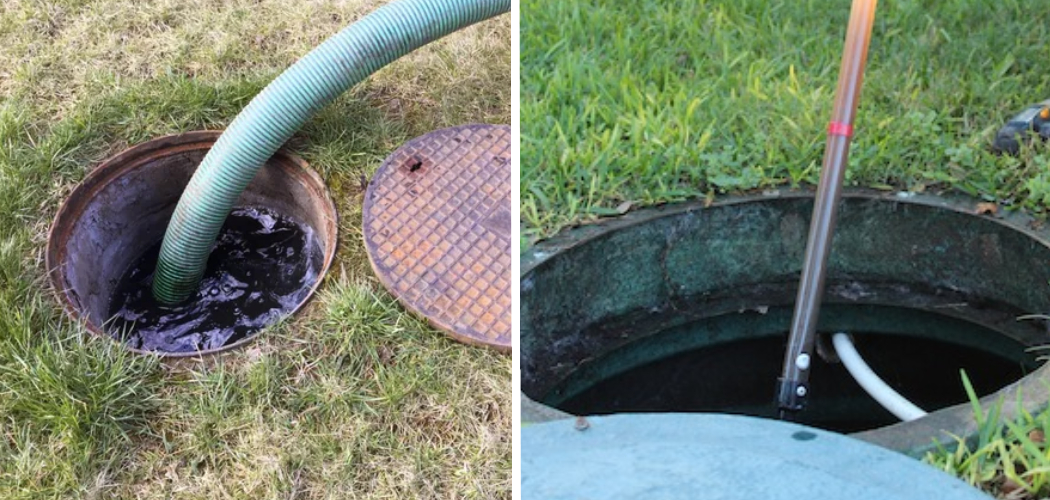
Since it’s working so hard for us every single day, it’s only fair to give it a little attention. But how do you know when it’s time to show your septic tank some love by calling in the professionals for a pump-out? Think of it like a car service – you don't wait for the engine to seize up before getting an oil change! The general rule of thumb for most households is to have your tank pumped every three to five years. This frequency can vary based on your household size (more people, more waste!), tank size, and how much water you use.
Must Read
To really "enjoy" (read: avoid disaster) your septic system effectively, you need to be attuned to its subtle whispers before they become deafening screams. Here are the practical tips to keep your peace of mind intact:
- Keep a Record: The easiest way? Know when it was last pumped! Stick a note on your water heater or in a maintenance file.
- The Slow Drain Syndrome: Are your toilets gurgling or drains emptying slower than usual? This could be an early warning sign that the tank is getting full and the drain field is struggling.
- Foul Odors: If you start smelling sewage in your yard, particularly near the septic tank or drain field, or even worse, inside your house, it's a huge red flag. Your tank is likely overflowing or backing up.
- Lush Green Patches: While a vibrant lawn is usually desirable, abnormally green or spongy grass over your drain field, especially during dry spells, can indicate that effluent is surfacing. It’s essentially getting an unintended nitrogen boost from your septic system.
- Standing Water: Puddles of smelly water near your drain field are a clear indicator of a major problem – your system is saturated and cannot absorb more liquid.
- The Back-Up Nightmare: This is the absolute worst-case scenario. Sewage backing up into your sinks, showers, or toilets means your system has failed. Don’t let it get to this point!
To truly "enjoy" a long, trouble-free life with your septic system, remember this golden rule: Don't treat it like a trash can. Avoid flushing anything other than human waste and toilet paper. Grease, harsh chemicals, hygiene products, and "flushable" wipes are its arch-nemeses. By being mindful and listening to your system, you’ll ensure that your home remains a haven of cleanliness and convenience, allowing you to peacefully forget about the hardworking hero beneath your feet.