How Do You Know When A Septic Tank Needs Emptying
Ah, the septic tank! While not a topic for lively dinner parties, for many homeowners, this unsung hero of the backyard provides an incredible sense of security and modern convenience. We often take our plumbing for granted, but for those living beyond the reach of municipal sewers, the septic system is the quiet engine powering our daily routines. There's a certain satisfaction, dare we say joy, in knowing that our household waste is being handled efficiently, discreetly, and in an environmentally responsible manner. It's the ultimate in self-sufficiency, ensuring our homes remain hygienic sanctuaries.
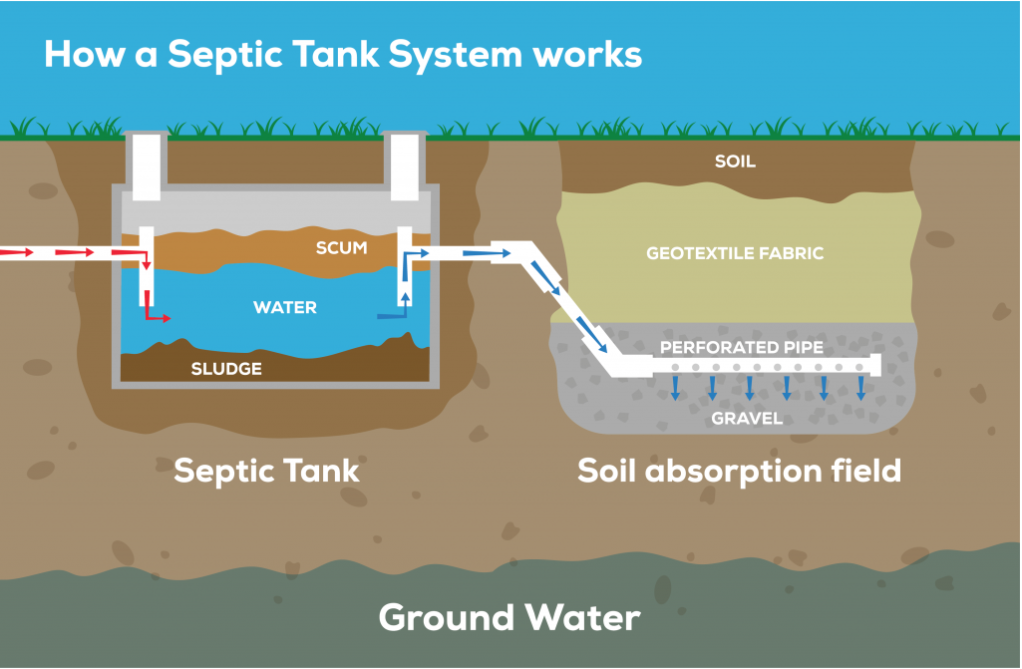
The core benefit of a well-maintained septic system is clear: it’s your private, on-site wastewater treatment plant. It safely separates solids from liquids, allowing bacteria to break down organic matter, and then disperses the treated wastewater back into the ground through a drain field. This ingenious process protects groundwater, prevents pollution of local streams, and most importantly, keeps your home free from unpleasantness. It’s a vital component of a healthy household, providing peace of mind that your essential services function perfectly.
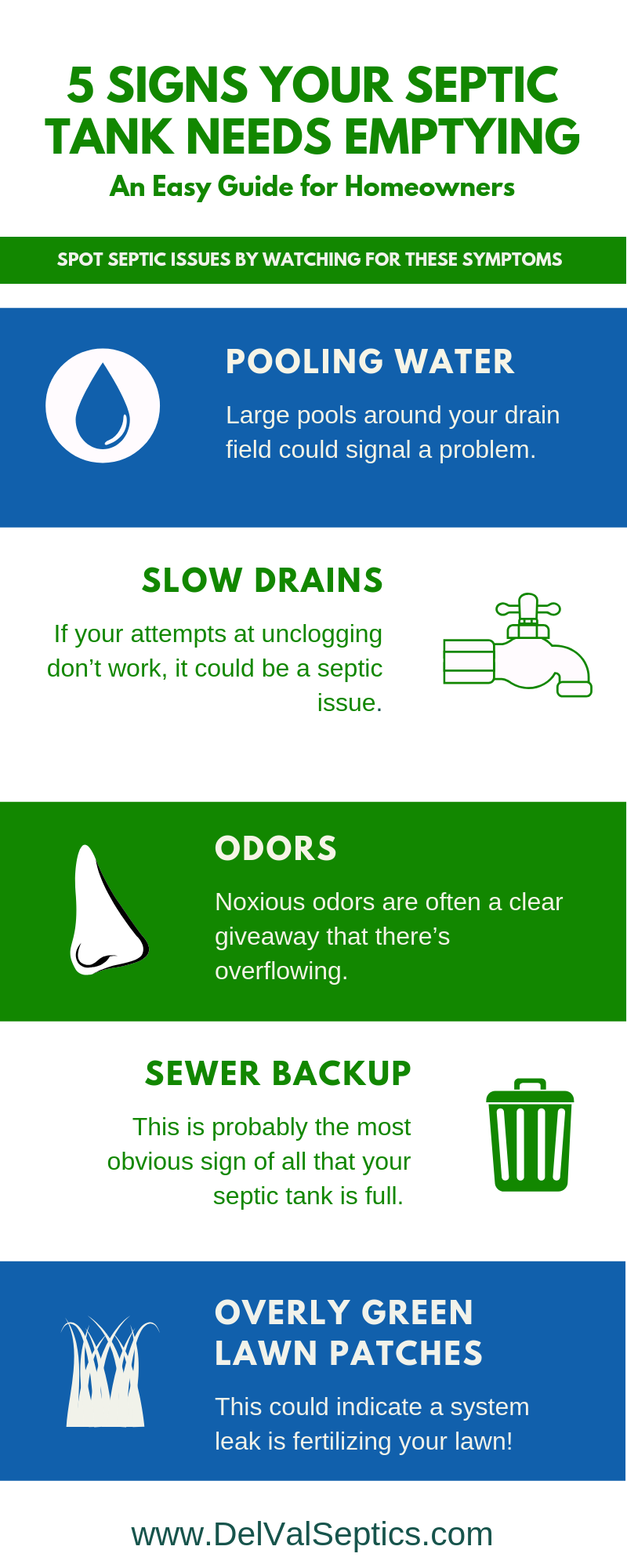
So, how do you keep this marvelous system purring like a kitten? The key is knowing when it needs a little TLC, specifically when it's time for an emptying. Ignoring your septic tank is like ignoring a ticking time bomb – eventually, it’s going to make a splash! Common warning signs are your system’s way of sending out a distress signal. Have you noticed your toilet flushing a little slower than usual, or perhaps your shower drain taking its sweet time? These sluggish responses can be early indicators. An even more tell-tale sign is a distinct, foul odor wafting either from your drains indoors or, heaven forbid, from your yard near the tank or drain field. If you catch a whiff of something that definitely isn't fresh daisies, pay attention!
Must Read
Other red flags include gurgling noises from your pipes after flushing or draining water, which indicates air struggling to escape. Standing water or an unusually lush, bright green patch of grass over your drain field is also a major concern; it means your system is likely overflowing. And the ultimate, most dramatic warning sign? A raw sewage backup into your home. Trust us, you do not want to experience that!
To truly "enjoy" your septic system – meaning, to never have to worry about it – proactive maintenance is paramount. First, get on a regular pumping schedule. For most households, this means every 3-5 years, but factors like household size and water usage can influence this. It's better to pump a little early than a lot late. Second, be incredibly mindful of what goes down your drains. The three P's rule: Pee, Poop, and toilet Paper (septic-safe, of course!) are generally okay. Anything else, especially harsh chemicals, grease, "flushable" wipes (they're not!), or feminine hygiene products, should be strictly avoided. Conserve water where possible; less water going into the tank means less waste to process, extending the life of your system. Finally, know your system's location and its last pump date, and don't hesitate to call a certified professional for regular inspections or if you spot any of those warning signs. Investing in proper care now will save you a world of mess and money later, keeping your backyard hero doing its job beautifully.