How Do You Know When A Car Seat Expires
In the grand tapestry of parenting, where every stitch is woven with love and a dash of delightful chaos, there are countless details that demand our attention. From perfectly pureed peas to mastering the art of the silent exit from a sleeping baby’s room, it's a journey filled with learning curves. One often-overlooked, yet profoundly impactful, aspect of this journey is understanding the lifecycle of a car seat. While it might not sound like the next viral TikTok dance or a groundbreaking art project, there's a certain creative genius in ensuring our littlest passengers are ensconced in optimal safety. Think of it as mastering the hidden superpower of proactive protection!
For the uninitiated, the idea of a car seat having an expiration date can feel like a surprising plot twist. But just like a well-loved toy or a trusty pair of shoes, car seats don't last forever. This isn't a ploy by manufacturers; it's a crucial safety measure rooted in science and common sense. Over time, materials like plastic can degrade due to temperature fluctuations, sun exposure, and the general wear and tear of daily use. Additionally, safety standards evolve, and a car seat made years ago might not meet the rigorous requirements of today. For the casual learner in all of us, grasping this concept isn't just about following rules; it's about becoming a more informed and empowered caregiver, truly mastering the art of mindful child safety on the go.
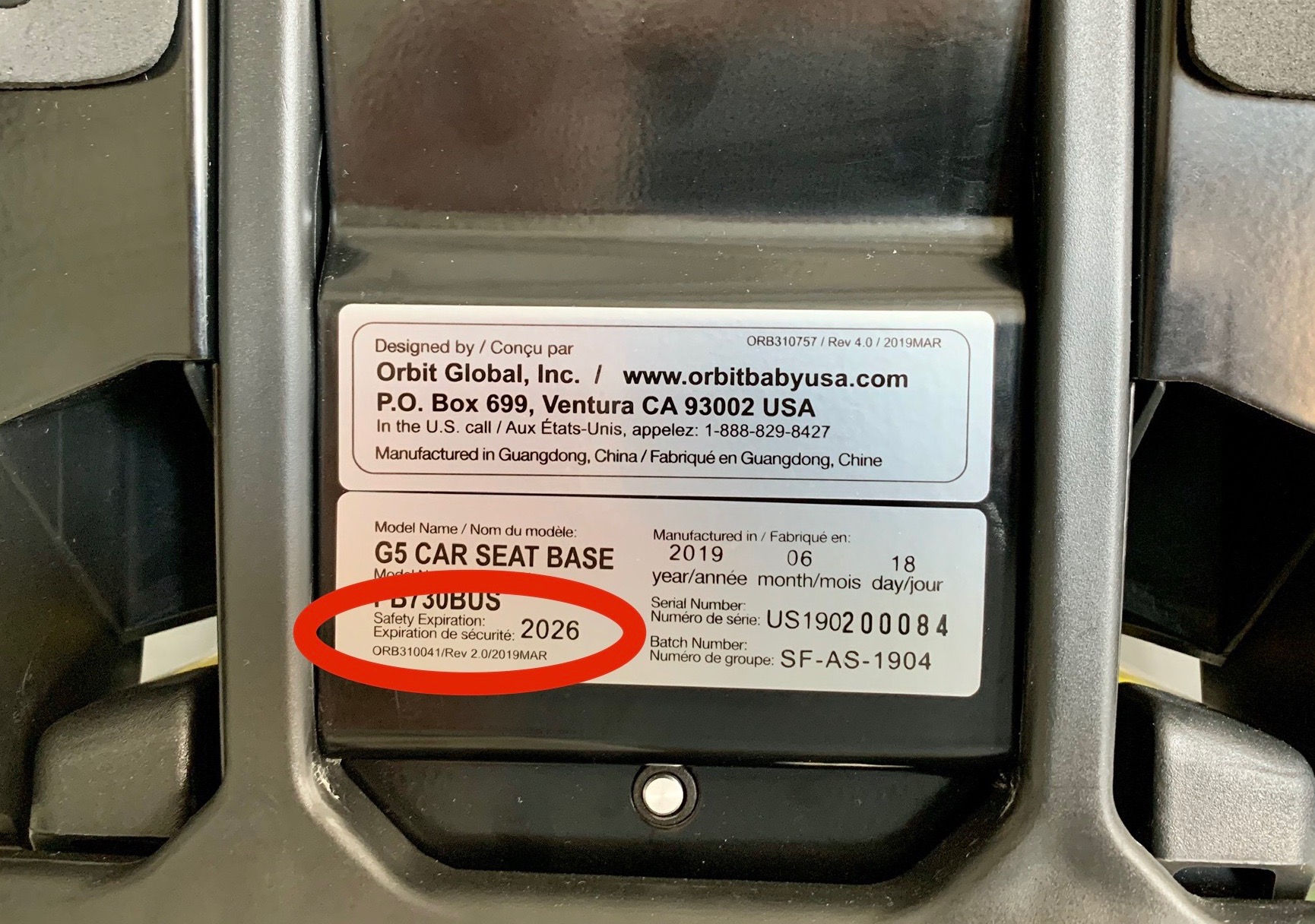
So, how do you uncover this vital piece of information? It’s often simpler than finding matching socks on laundry day! Most car seats have the expiration date clearly printed on a label or stamped directly into the plastic. You might find it on the bottom, back, or side of the seat. Sometimes, instead of an "expiration date," you'll see a "date of manufacture" or "DOM." If that's the case, consult your car seat's instruction manual – it will specify how many years from the manufacturing date the seat is considered safe to use. This can vary by brand and model, usually ranging from 6 to 10 years. Think of these different locations and formats as various "styles" of revealing their secret; once you know where to look, it becomes a simple treasure hunt for safety!
Must Read
Ready to try this crucial check at home? It's easier than assembling most flat-pack furniture! First, grab your car seat and its instruction manual. If the manual is missing, don't fret; many are available online. Next, embark on your quest for the date. It might be a sticker with "Do Not Use After" followed by a specific month and year. Or it could be stamped into the plastic near the model number, indicating the DOM. If you find a manufacturing date, add the number of years recommended by the manufacturer (usually in the manual or often stated directly near the DOM stamp, e.g., "Expires 7 years after DOM"). If your seat is past its prime, the best course of action is to safely dispose of it to prevent someone else from inadvertently using it. Many recycling centers accept car seat components, or you can cut the straps and mark it "EXPIRED" before discarding it.
And why is all this "enjoyable," you ask? Because there's immense satisfaction in knowing you've done everything you can to protect your precious cargo. The peace of mind that comes from using a car seat that is not only correctly installed but also well within its safe lifespan is truly invaluable. It’s a quiet victory, a badge of honor for the diligent parent or caregiver. It allows you to hit the road with confidence, knowing you've given your child the safest possible start to every adventure. Now go forth and check those dates – your little co-pilot will thank you!