
How Do You Know If Your Water Heater Is Leaking
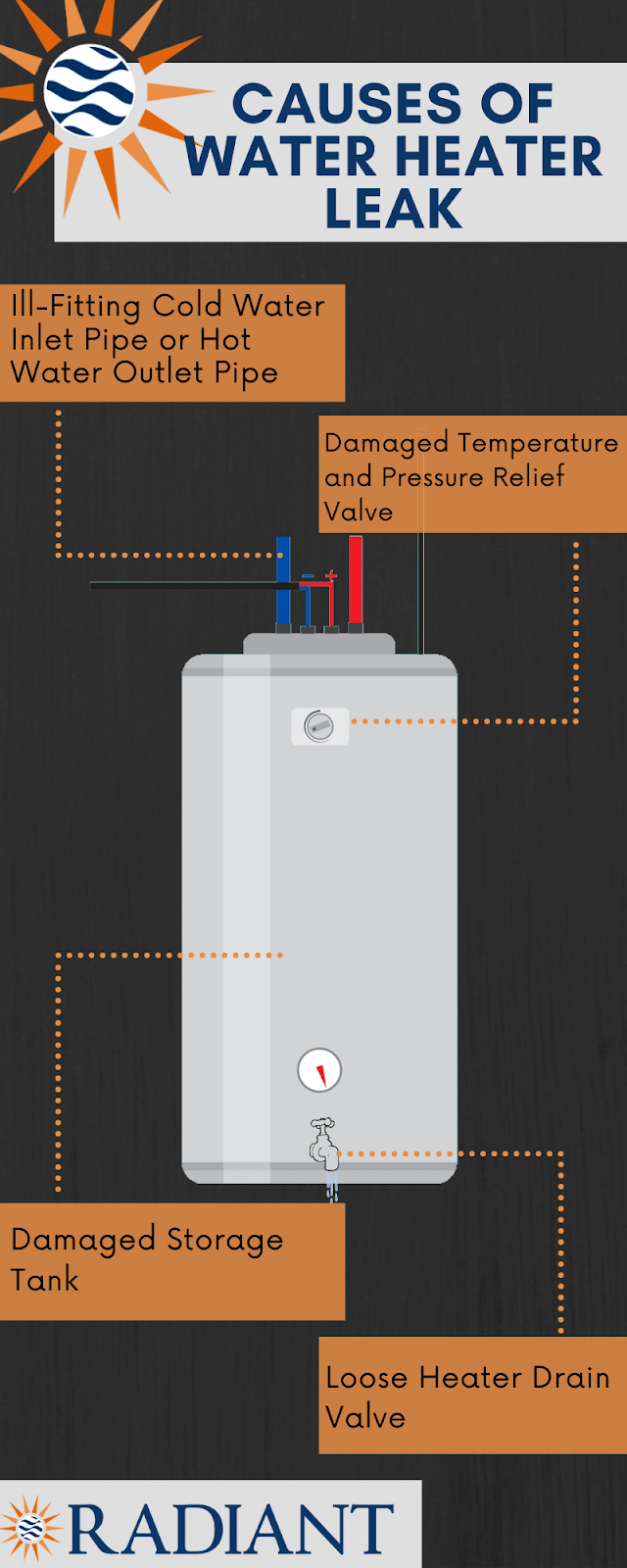
Okay, let's talk about something thrilling: your water heater! No, seriously, stick with me. We're going to explore the sneaky world of water heater leaks. Think of it as a detective story, only the culprit is often a slow drip.
The Case of the Mysterious Puddle
The first clue? A puddle. Elementary, my dear Watson! But not always that obvious.
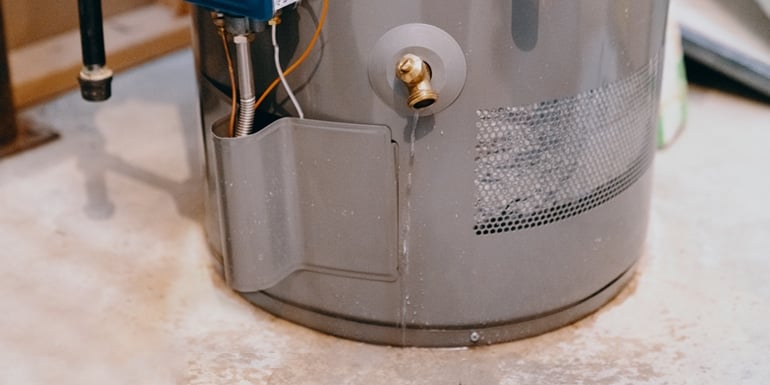
Sometimes, it's a tiny, persistent dampness near the base of the water heater. Imagine discovering it on a Monday morning, the start of a long week. Talk about a mood killer!
Must Read
Don't dismiss it as condensation. Condensation is like the water heater "sweating" – a normal occurrence. But a consistent puddle? That's Exhibit A in our leak investigation.
Check around the relief valve, too. This little guy is a safety feature, and a small release of water is normal, especially if the pressure is high. But a constant trickle might signal a problem.
The Rusty Suspect: Corrosion Clues
Rust is a classic villain in the world of plumbing problems. Like a bad guy in an old western movie, rust is a dead giveaway.
Look for rust around the fittings, connections, and the tank itself. A little surface rust might be normal, especially on older units. But extensive corrosion is a major red flag.
Imagine the water heater as a friendly old dog. A few grey hairs are fine, but extensive balding and limping? Time for a visit to the vet, or in this case, a plumber!
Also, examine the water coming from the tank. Rusty colored water might indicate internal corrosion. Nobody wants to bathe in rusty water!
The Sound of Silence (or Not): Auditory Evidence
Sometimes, your ears can be your best allies. Strange sounds emanating from your water heater can indicate a leak.
Listen for dripping, hissing, or gurgling sounds, even when no one is using hot water. It is like a ghost trying to communicate. That gurgling can mean trouble!
A constant dripping sound, especially when you're not using hot water, is a clear sign something is amiss. Imagine trying to sleep with that sound all night.
Don’t confuse it with the normal sounds a water heater makes while heating water. But persistent, unusual noises deserve investigation.
The Mystery of the Higher Bills: Financial Fallout
Your water bill can be a silent witness to a water heater leak. Keep an eye on your consumption. A sudden spike in your water bill, without any other changes in your water usage habits, is a warning sign.
It is like finding money is missing from your wallet! You need to investigate.

Think about it: a slow, unnoticed leak can waste gallons of water over time. That wasted water adds up, leading to a surprisingly high bill. It's like paying for a ghost shower.
Compare your current bill to previous months. A noticeable increase should prompt you to investigate potential causes, including a leaky water heater.
The Case of the Soggy Surroundings: Environmental Evidence
The area around your water heater can provide clues. Is the floor constantly damp? Are there signs of mold or mildew growth?
These are signs of excess moisture and can indicate a leak, even if you don't see a puddle. It's like the rainforest in your laundry room!
Check the walls and ceilings near the water heater, too. Water damage can manifest as stains, discoloration, or peeling paint. These visual cues will tell you that the water has made a break for it.
A musty smell is another potential clue. Mold and mildew thrive in damp environments, and a leaky water heater can create the perfect conditions for them to grow.
DIY Detective Work: A Few Simple Tests
Want to do some sleuthing yourself? Here are a few easy tests. A simple test will put your mind at ease. Or confirm your suspicions.
Wrap a dry cloth around the base of the water heater and check it after a few hours. If the cloth is wet, you likely have a leak. Cheap and cheerful investigative method.
Inspect the pressure relief valve by carefully lifting the lever. Water should flow freely and then stop when you release it. If it continues to drip, the valve may need replacing. Be careful; the water can be hot!
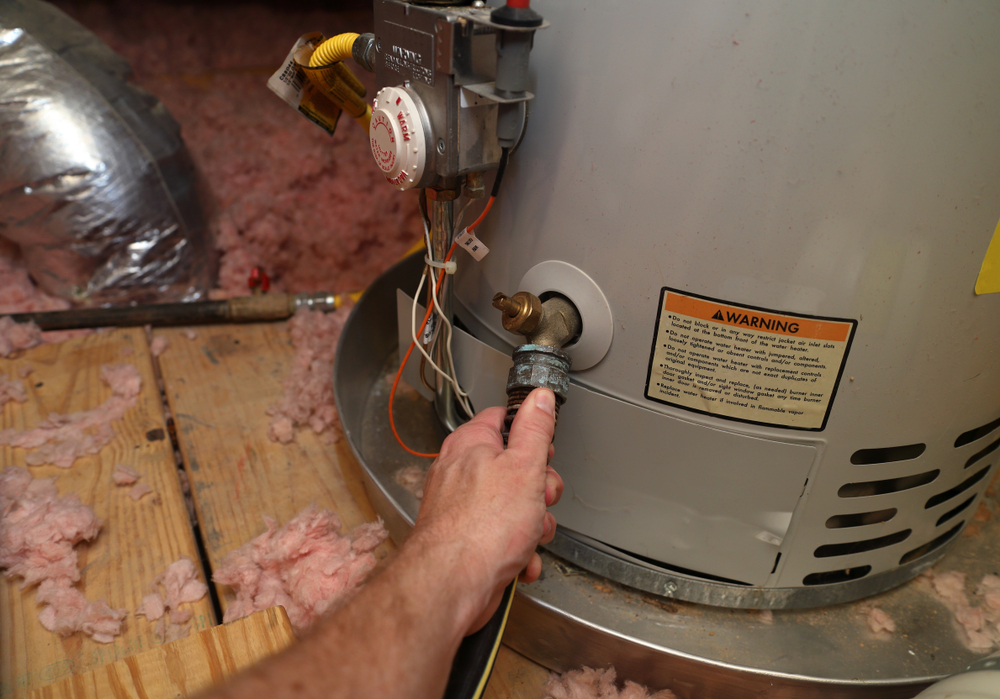
If you’re comfortable with it, turn off the water supply to the water heater and see if the leak stops. This can help you isolate the source of the problem. If the leak persists even with the water off, the tank itself may be compromised.
Calling in the Professionals: When to Get Help
Sometimes, detective work is best left to the experts. If you're unsure about anything, or if the leak is significant, call a licensed plumber. This is the time to wave the white flag.
Don't attempt repairs you're not comfortable with. Water heaters involve both water and electricity, a potentially dangerous combination. You are not MacGyver.
A professional can accurately diagnose the problem and recommend the best course of action, whether it's a simple repair or a full replacement. It’s better to be safe than sorry.
Ignoring a leak can lead to more serious problems, such as water damage to your home or even a complete water heater failure. A small problem fixed early can prevent a big disaster later.
The Reward: Peace of Mind (and a Dry Basement)
Addressing a water heater leak is about more than just saving money on your water bill. It is about peace of mind.
It's about preventing water damage, protecting your home, and ensuring you have a reliable source of hot water when you need it. Picture yourself, after fixing the leak, taking a long, hot shower!
Think of it as an investment in your comfort and well-being. A dry basement, a lower water bill, and the confidence that your water heater is working properly. It's a win-win!
So, keep an eye on your water heater, listen for strange sounds, and investigate any suspicious puddles. You are now equipped to solve the case of the mysterious water leak! And the next time you hear a drip in the night, you'll know exactly what to do. Stay dry!