How Do You Know If You Owe On Taxes

Let's face it: taxes. The very word can conjure images of dusty ledgers, bewildered faces, and the desperate search for that elusive receipt from a decade ago. But knowing whether you owe Uncle Sam (or if Uncle Sam owes you!) doesn't have to be a stressful saga. Think of it as a fun little game of hide-and-seek, but instead of finding Easter eggs, you're finding out about your financial standing with the government.
The Paycheck Puzzle
The first clue in our tax detective adventure lies in your paycheck. Remember that W-4 form you filled out when you started your job? That's your initial declaration of how much tax should be withheld. If you checked the boxes just right, you're golden! But if you accidentally claimed zero dependents when you have a whole soccer team's worth, or if you have a complicated financial life with multiple income streams, chances are your withholding might be off.
Think of it like this: your W-4 is a recipe, and the tax withheld is the dish. If you misread the recipe (i.e., filled out the W-4 incorrectly), the final product (your tax bill or refund) might not be what you expected. I once knew a guy, let's call him Bob, who thought claiming exempt on his W-4 meant he was exempt from all responsibility, like jury duty. Turns out, it just meant no taxes were being withheld. He had a very unpleasant surprise come tax season.
Must Read
The Independent Contractor Conundrum
Freelancers, gig workers, and anyone who gets a 1099, listen up! This section is especially crucial for you. Unlike employees who have taxes automatically deducted from their paychecks, you're responsible for setting aside money for taxes yourself. This is where many people stumble. They see all that sweet, sweet income hitting their bank account and forget that a significant portion of it belongs to the government.
Imagine you're running a lemonade stand. You sell a refreshing beverage for $1, but you have to pay for the lemons, sugar, cups, and the adorable little paper umbrella. The leftover is your profit! Similarly, you need to account for taxes as an expense when you're self-employed. A good rule of thumb is to set aside about 25-30% of your income for taxes, but it's always best to consult with a tax professional to get personalized advice. Failing to do so can lead to a very sour tax bill.

Life Changes: The Plot Twist
Big life changes can dramatically affect your tax situation. Did you get married? Buy a house? Have a baby? Each of these events can trigger new deductions or credits that could either increase your refund or reduce the amount you owe. For instance, the Child Tax Credit can be a significant benefit for parents. On the other hand, selling a house could trigger capital gains taxes, which need to be accounted for.
It's like suddenly finding a secret passage in your house. It could lead to a treasure trove of deductions, or it could lead to a dusty attic full of tax implications. Either way, you need to explore it! Keep track of these life events throughout the year, and make sure to update your W-4 accordingly.
The Tax Estimator: Your Crystal Ball
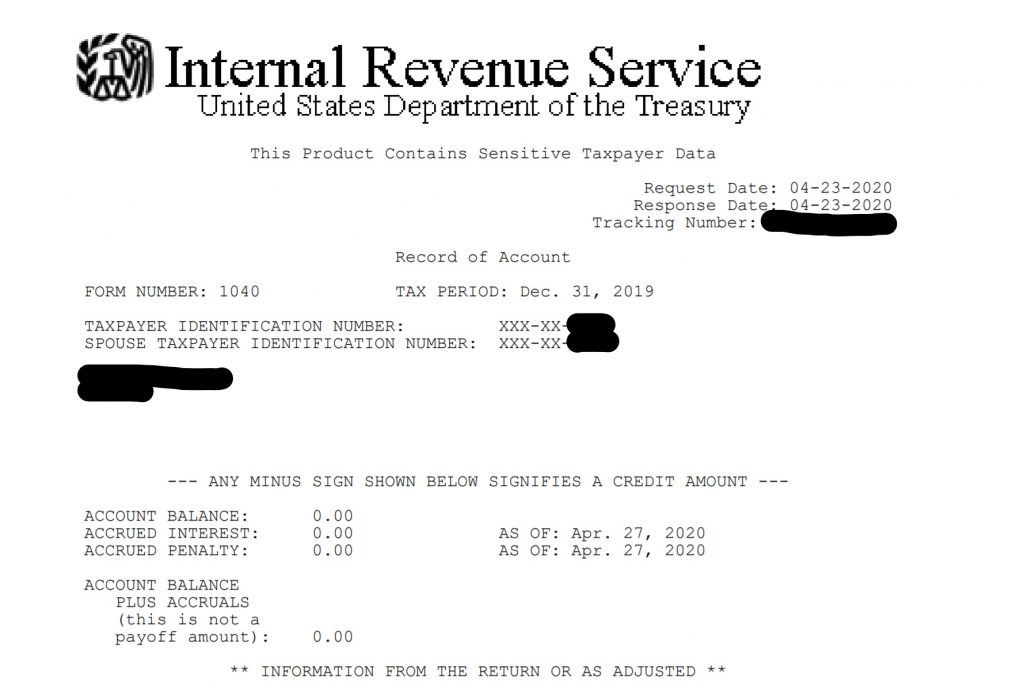
Luckily, you don't need a real crystal ball to predict your tax future. The IRS has a handy online tool called the Tax Withholding Estimator. It's like a digital fortune teller, but instead of predicting your love life, it predicts your tax liability. By entering your income, deductions, and credits, the estimator can give you a good idea of whether you're on track or whether you need to adjust your withholding. This is particularly useful mid-year if you suspect your withholding might be off.
Using the Tax Withholding Estimator is like checking the weather forecast before planning a picnic. It helps you avoid getting caught in a tax storm. And if you do find yourself owing money, don't panic! The IRS offers various payment plans and options to help you manage your tax debt.
The Bottom Line
Knowing whether you owe taxes isn't about being a mathematical genius or a tax whiz. It's about being aware, being proactive, and understanding the basic principles of how taxes work. Think of it as a continuous learning process, like mastering a new hobby. And remember, even if you make a mistake, it's not the end of the world. There are resources available to help you navigate the tax landscape. So, take a deep breath, gather your documents, and embrace the tax season with a sense of curiosity and maybe even a little bit of humor. After all, it's just another adventure in the grand game of life!
"Taxes are what we pay for civilized society." - Oliver Wendell Holmes Jr.