How Do You Know If A Septic Tank Is Full

Ah, the humble septic tank. It's the unsung hero quietly working beneath our feet, ensuring our daily rituals of flush and wash proceed without a hitch. For many of us living off the grid of city sewers, the septic system represents a beautiful kind of independence – the freedom from municipal bills, the peace of mind knowing your household waste is being handled right on your own property. We enjoy the convenience of modern plumbing without ever having to think about where it all goes, which, ironically, is precisely its greatest benefit: a seamless, invisible solution to a very visible problem.
The purpose of a septic system is brilliantly simple yet profoundly effective: to treat and disperse household wastewater safely into the ground. It's a miniature, on-site wastewater treatment plant, separating solids from liquids and allowing natural processes to purify the effluent before it returns to the environment. This means no more worries about what happens after the flush; your home remains hygienic, your property clean, and your conscience clear. It's an essential piece of infrastructure that grants countless rural and suburban homes the same level of sanitation found in urban areas, without the need for vast, expensive public sewer networks. It provides true self-sufficiency in waste management.
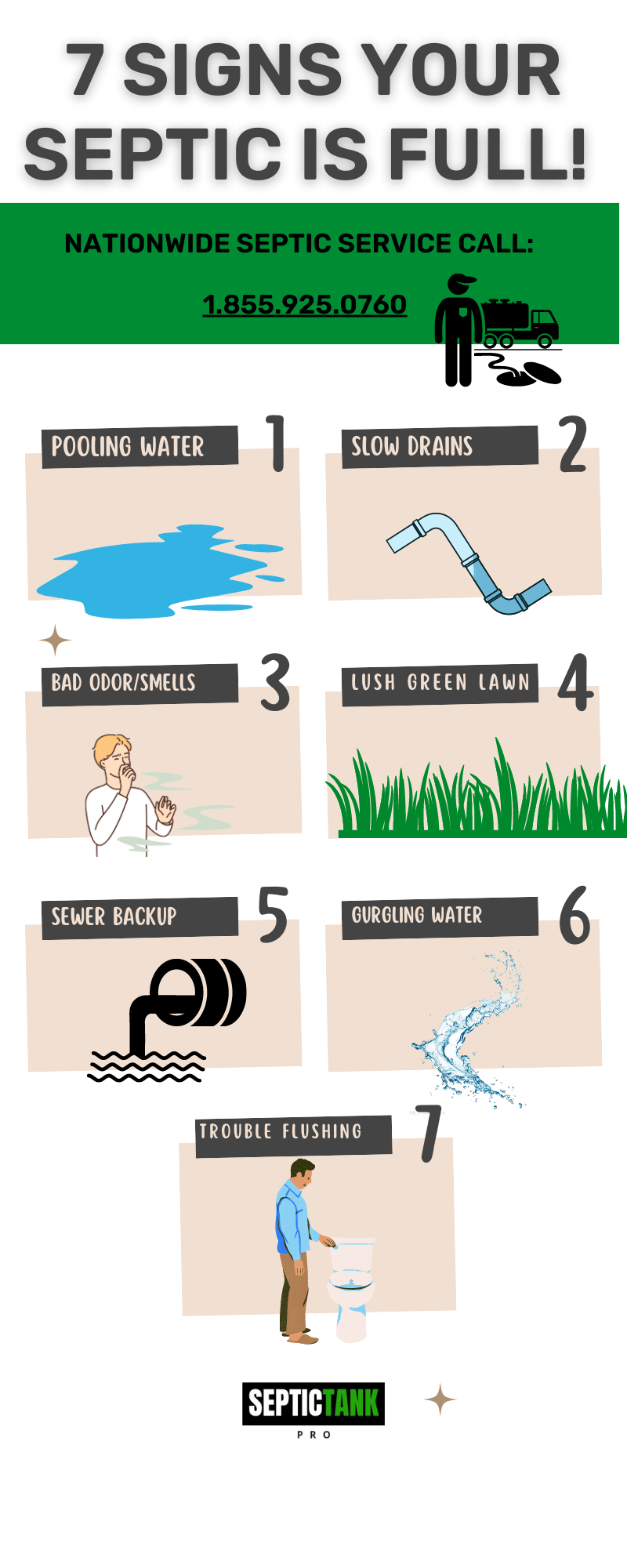
But like any diligent worker, even the most robust septic system has its limits. And that's where our investigative journey begins: How do you know if your septic tank is full? Trust us, it’s not a mystery you want to solve too late. One of the most common and immediate indicators is slow drains and gurgling toilets. If flushing feels like a nail-biting suspense movie where the water just won't go down, or your shower basin takes an eternity to empty, your tank might be crying for help. Another, far less subtle sign, is sewage backup. This is the ultimate "Houston, we have a problem" moment, typically starting in the lowest drains of your home.
Must Read
Keep your nose tuned for unpleasant odors. If you detect a strong, raw sewage smell either inside your home (especially near drains) or outdoors around the tank area or drain field, it's a huge red flag. Your drain field, the area where treated water disperses, might also tell a story. Look for unusually lush, bright green grass in patches directly above your drain field, even when the rest of your lawn is parched. This sudden vibrancy is due to nutrient-rich wastewater pooling too close to the surface. Similarly, puddles or standing water in that same area are a clear sign the system can no longer absorb the liquid.

So, how can you ensure your septic system continues its quiet, dependable service, allowing you to "enjoy" the peace of mind it offers? The most crucial tip is regular pumping. Most experts recommend having your tank pumped every 3-5 years, depending on your household size and tank volume. Be mindful of what goes down the drain: avoid harsh chemicals, excessive grease, and non-biodegradable items like wet wipes or feminine hygiene products. Conserve water where possible to reduce the load on your system. Know the location of your tank and drain field and avoid driving heavy vehicles over them, which can compact the soil or damage pipes.
Finally, if you suspect your septic tank is full or malfunctioning, don't delay. Call a qualified septic professional immediately. They can inspect your system, pump the tank if needed, and diagnose any underlying issues before they turn into a costly and smelly nightmare. A little preventative care and awareness go a long way in keeping your unsung hero happy and your home smelling fresh!