How Do You Join Wood Together
Ever look at a beautiful wooden table, a sturdy bookshelf, or even just a simple birdhouse, and wonder, "Hey, how did they get those pieces of wood to stick together like that?" It’s not magic, my friend, though sometimes it feels pretty darn close! Joining wood is one of the most fundamental, exciting, and frankly, satisfying parts of woodworking. It’s like being a matchmaker for lumber, bringing two separate pieces together to create something bigger, better, and totally awesome. Let’s dive into the wonderfully sticky, screw-tastic, and downright clever ways you can make wood play nice and become one!
The Mighty Power of Glue!
Let's kick things off with the grand champion, the silent hero, the liquid magic that is wood glue! Forget your childhood craft glue that barely held two paperclips together; we're talking about industrial-strength hugs here. When you apply wood glue to two perfectly matched surfaces and press them together, those surfaces don't just stick; they become one. It's like they've sworn an unbreakable oath to stay together forever. The secret? Tiny, microscopic tendrils of glue seep into the wood fibers, and when it dries, those tendrils create a bond that's often stronger than the wood itself! Seriously, sometimes the wood will break before the glue joint does. Mind-blowing, right?
Pro Tip: Wood glue isn't just sticky; it's a commitment. Once it dries, those pieces are practically inseparable. So make sure they’re in the right spot before you let it set!
Screws and Nails: The Metal Marvels!
While glue provides an incredible, seamless bond, sometimes you need a little extra muscle, a bit more immediate fortitude, or simply a different kind of strength. Enter the dynamic duo: screws and nails!
Screws: The Wood’s Best Friend
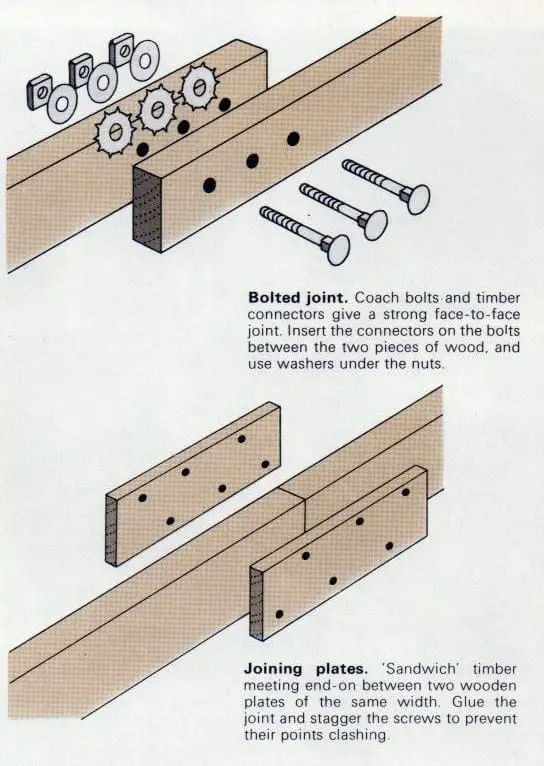
Imagine giving your wood pieces a super firm handshake that never lets go. That’s what screws do! A screw is like a tiny, threaded metal drill sergeant, boring its way into both pieces of wood and gripping them with an iron will. You'll need a drill (or a trusty screwdriver for the old-school feel) to guide them in. They create an incredibly strong, reversible bond – meaning you can often unscrew them if you need to adjust or take something apart (though it might take a bit of elbow grease!). Different types exist for different jobs: big, chunky lag screws for heavy-duty stuff, or delicate finishing screws for a cleaner look. Each one is a little hero in its own right, locking wood together with sheer threaded power.
Nails: The Speedy Spikes
Nails are the sprinters of the wood-joining world. Quick, efficient, and surprisingly strong for their size! Grab a hammer, line up your nail, and with a few satisfying thwacks, you've got yourself a connection. Nails work by displacing wood fibers, creating friction that holds them in place. They're fantastic for quick assemblies, framing, or situations where you need a lot of holding power fast. While less "reversible" than screws (pulling a nail out can be a bit of a theatrical event sometimes!), they're indispensable for countless projects. Think of them as giving your wood a firm, high-five that sticks!
The Art of the Wood Joint: Fancy Handshakes!
Now we’re stepping into the elegant ballroom of woodworking, where pieces aren't just stuck together; they're interlocked. These are called wood joints, and they’re like the ultimate puzzle pieces designed by Mother Nature and clever craftspeople. They add strength, beauty, and often a touch of artisanal flair.

The Humble Butt Joint
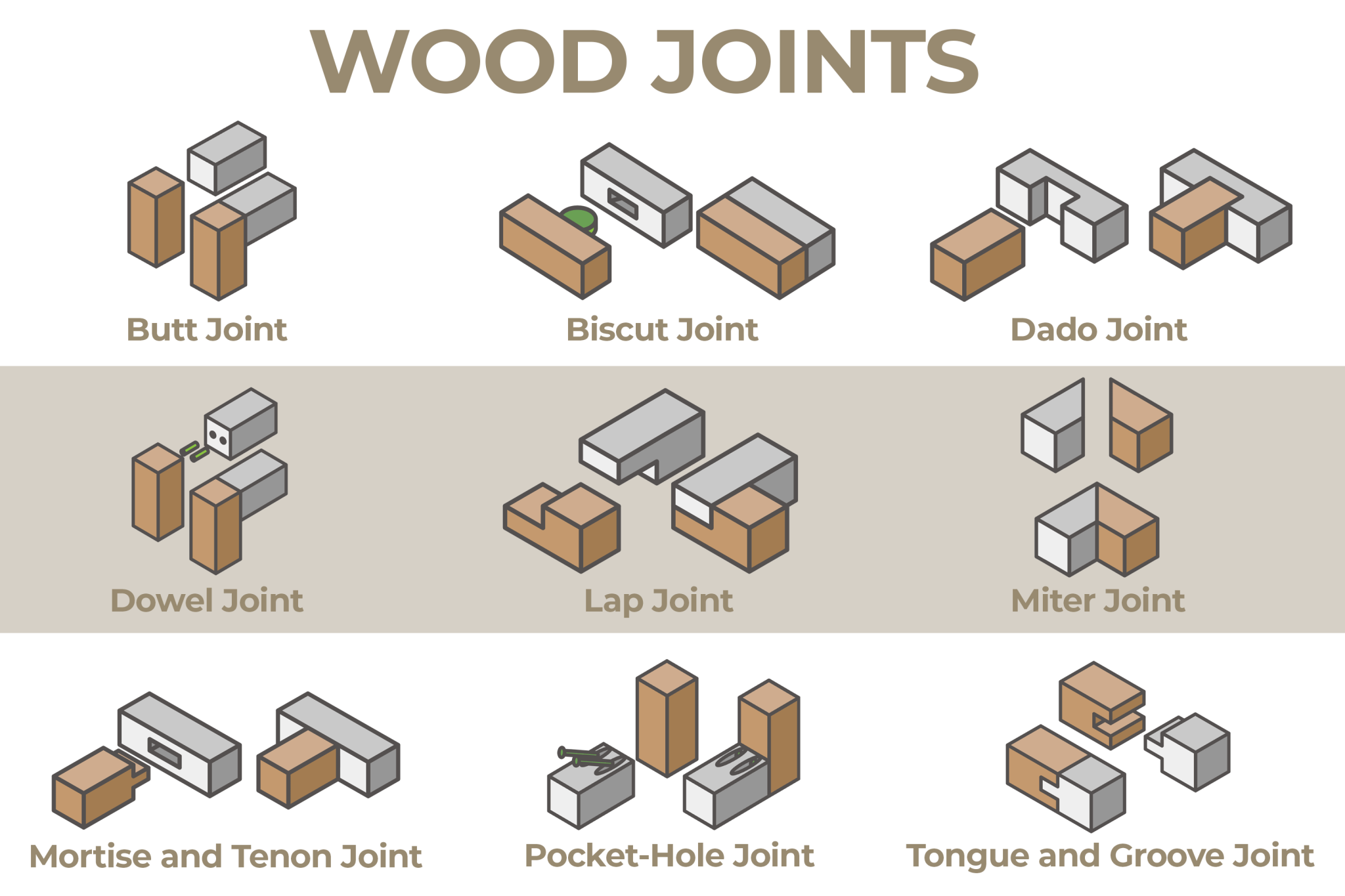
Don't let the name fool you, the butt joint is the simplest and most common joint out there! It's exactly what it sounds like: two pieces of wood literally butt up against each other. Usually, you reinforce this with glue, screws, or nails. It's the foundation for so many projects because it's easy to make, and when done well, it holds up like a champ. Think of it as wood giving each other a straight-on chest bump, then getting glued or screwed together for extra measure!
The Lap Joint: Overlapping Awesomeness
Next up, we have the lap joint. This is where one piece of wood partially overlaps another. Imagine two boards shaking hands, but instead of just touching, they slide over each other a bit. This creates a much larger surface area for glue, making for a super strong connection, and it also adds a neat, layered look. It's like giving your wood pieces a warm, overlapping hug!
Dovetails and Finger Joints: The Puzzle Masters
If you've ever seen a beautiful wooden drawer with interlocking teeth that look like tiny, geometric fingers, you've witnessed the glory of dovetail joints or finger joints. These are the show-offs of the joint world, designed to interlock like intricate puzzle pieces. They’re incredibly strong, ridiculously beautiful, and once you see them, you immediately appreciate the craftsmanship. They don't just hold wood together; they embrace it, creating an unbelievably robust and attractive bond without even needing screws or nails (though glue is always a good idea!). It's like wood origami, but with serious muscle!
Clamping: The Unsung Hero
No matter which method you choose, there’s one unsung hero that deserves a standing ovation: the clamp! Whether it's a simple spring clamp, a long bar clamp, or a sturdy vice, these tools are wood’s best personal trainers. They hold everything perfectly still and under just the right amount of pressure while the glue dries, or while you're driving in those screws. They ensure your carefully joined pieces stay exactly where you want them, making the bond strong and true. Without clamps, your woodworking journey would be a wobbly, frustrating mess!
So there you have it! From the liquid magic of glue to the mighty grip of screws, the speedy punch of nails, and the elegant embrace of specialized joints, joining wood is a delightful blend of science, skill, and sheer creativity. Each method brings its own superpower to the table, allowing you to create anything from a sturdy garden bench to an heirloom-quality chest. Now go forth, grab some wood, and start joining! The satisfaction of seeing two separate pieces become one fantastic creation is truly unparalleled.