
How Do You Insulate A Basement
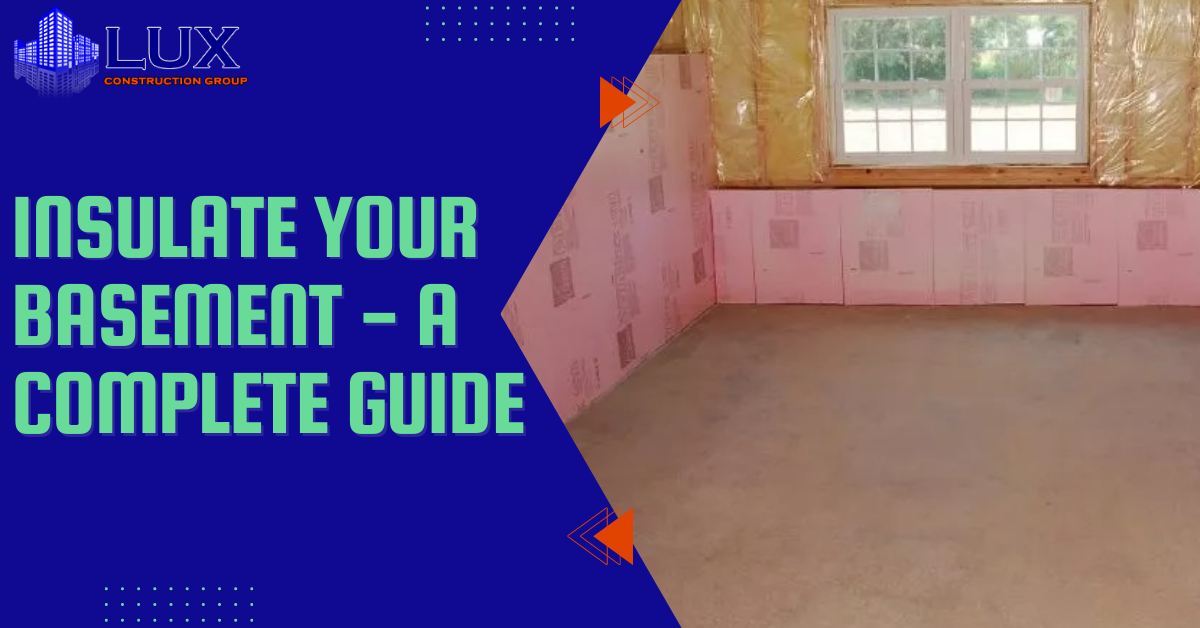
Ah, the basement. That mysterious, often chilly realm beneath our feet. It’s where the spiders hold their conventions, forgotten treasures gather dust, and sometimes, if you’re brave, you do laundry. Everyone, and I mean everyone, eventually wonders: How do you insulate a basement?
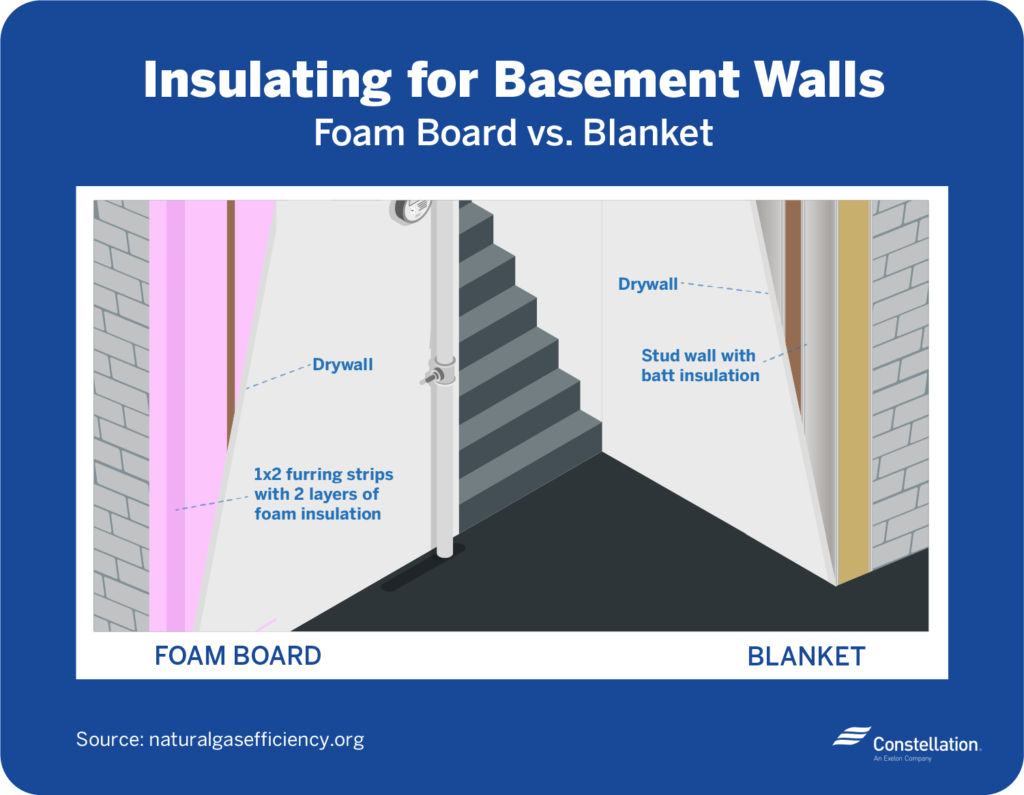
You hear the whispers, don't you? The tales of fancy insulation boards, vapor barriers, rigid foam, and elaborate stud walls. It all sounds like building a secret bunker for a very picky squirrel, doesn’t it? Suddenly, your weekend plans of binge-watching your favorite show turn into nightmares of R-values and thermal bridges. Your wallet starts to sweat just thinking about it. And frankly, your brain starts to insulate itself from the mere idea of tackling such a project.
The "experts" will tell you all about the importance of keeping the heat in (or out), preventing moisture, and creating a perfect climate-controlled oasis. They'll throw around terms like closed-cell foam and mineral wool until your head spins faster than a washing machine on the spin cycle. It’s enough to make you just want to throw a blanket over the entire basement and call it a day.
Must Read
And you know what? Maybe that’s not such a bad idea. Because I’m here to share my slightly scandalous, wonderfully simple, and utterly unpopular opinion on how to insulate a basement. Prepare to have your mind, and possibly your bank account, liberated.
The Great Unpopular Revelation
Here it is, folks. My deep, dark secret. The truly enlightened way to "insulate" a basement isn't always with expensive materials and endless DIY struggles. Often, the best insulation is simply... understanding and embracing your basement for what it truly is. And maybe, just maybe, insulating yourself from the pressure to turn it into another floor of your main house.
My unpopular opinion: The ultimate way to insulate a basement is to let it be a basement, insulating your wallet and sanity from unnecessary projects, while smartly using its natural coolness to your advantage.
Let's unpack this revolutionary thought. Instead of battling its inherent coolness, what if we made friends with it? Here are a few ingenious, low-effort "insulation" strategies that don't involve a single piece of foam board:
First, there's the "Human Sweater Insulation" method. When you venture down to the laundry dungeon or the storage catacombs, simply don a comfy sweater. Maybe a pair of fuzzy socks. Instant, portable, and remarkably effective "R-value" for your personal comfort. No power tools required.
Then, consider the "Blanket Fort Thermal Barrier." Planning a movie night downstairs? Drape some thick blankets strategically. Not only do they add a surprising layer of warmth, but they also create an undeniable sense of cozy adventure. Plus, popcorn just tastes better in a blanket fort.
For the truly pragmatic, there's the "Strategic Storage Insulation." Is your basement mostly for storage? Excellent! Pack it full of things that love the cool, steady temperature. Your canned goods? Your wine collection (if you're fancy)? Old photo albums? They're all secretly insulating agents, helping to buffer the temperature for the rest of your home, and perfectly happy in their naturally chilled environment.

And let's not forget the powerful "Ignorance is Bliss Insulation." Sometimes, the best way to deal with the chill is to simply acknowledge it, perhaps with a dramatic shiver, and then carry on. It's a mental insulation from the idea of cold, allowing you to focus on the task at hand. Highly underrated, if you ask me.
But What About Real Insulation?
Okay, okay, I hear you. "But what if I actually want to use the basement for something more than a spider disco?" Fair enough. Even then, my unpopular opinion still nudges us towards simpler, less stressful solutions.
Instead of a full-blown insulation overhaul, think about strategic comfort. Are there obvious drafts? A simple draft stopper under the basement door can work wonders. A small, efficient space heater for targeted warmth when you're actually down there for an extended period? Much cheaper than insulating every wall. A good dehumidifier can make a huge difference in comfort, making the space feel less damp and clammy, which often gets confused with "cold."
The truth is, sometimes the greatest insulation we can apply is to our expectations. Insulate yourself from the pressure of perfection. Insulate your time from endless projects. Insulate your wallet from unnecessary spending. Your basement doesn’t have to be a tropical paradise unless you genuinely need it to be.
So, the next time someone asks you about insulating your basement, flash them a knowing smile. Tell them you've adopted a holistic approach. An approach that prioritizes comfort, practicality, and maybe, just maybe, a really good sweater. Your basement, and your stress levels, will thank you.