
How Do You Hook Up A Generator To Your House
So, you're thinking about hooking up a generator to your house, huh? That's awesome! Seriously, it's like giving your home a superpower – the power to laugh in the face of power outages. Think of it as your house suddenly having a secret backup plan, a hidden arsenal against the forces of darkness (or, you know, just a downed power line).
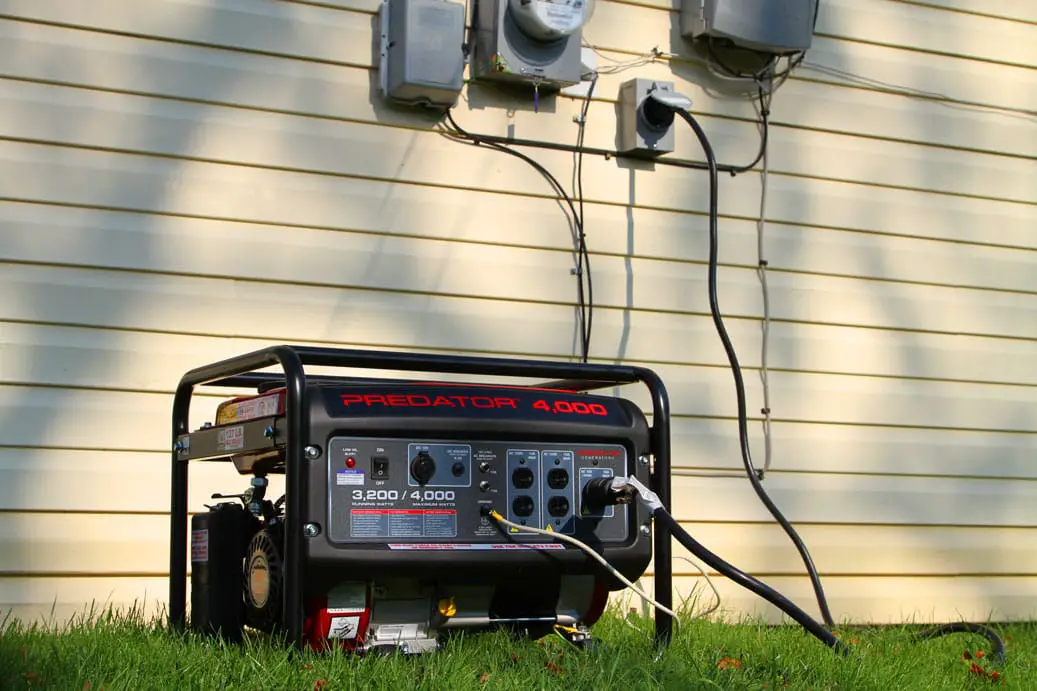
First things first: the extension cord method. This is the simplest, most straightforward way to get some juice flowing. You plug appliances directly into the generator. Lamps? Coffee maker? Phone charger? All fair game! It’s like setting up a mini-power grid, right there on your patio. Just imagine that triumphant feeling as you brew that first cup of coffee during a blackout while your neighbors are stuck with lukewarm water and despair.
But here's the catch (there's always a catch, isn't there?). You're limited to what you can reach with extension cords. And let's be honest, running cords all over the place isn't exactly winning any interior design awards. Plus, you have to carefully manage what you're plugging in to avoid overloading the generator. It’s a balancing act! A power puzzle! A game of electrical Tetris!
Must Read
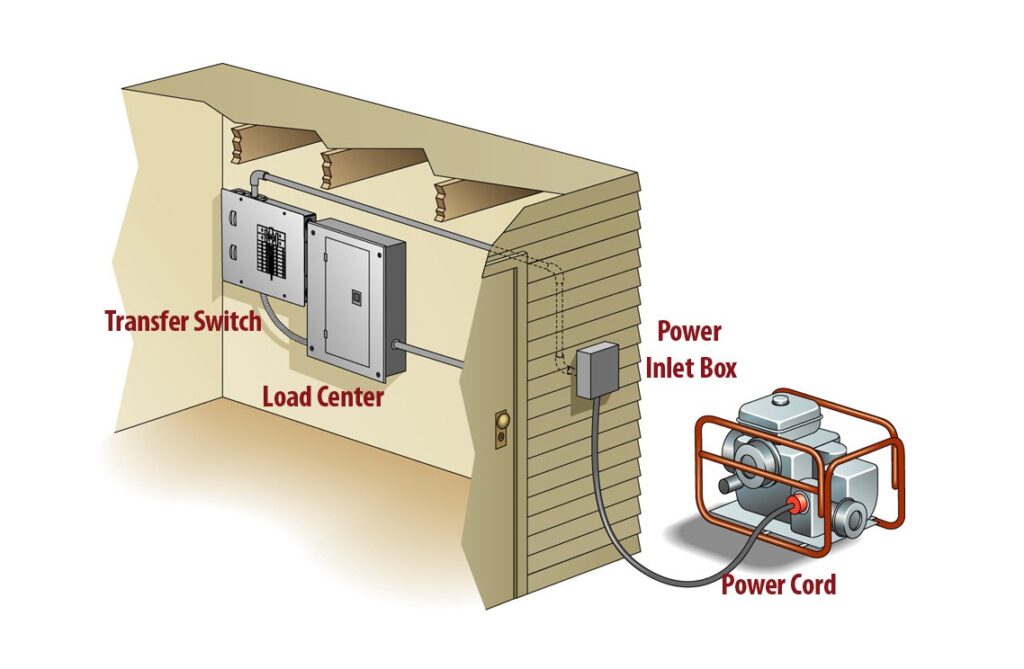
Now, let's level up! Enter the transfer switch. This is where things get… interesting. A transfer switch is a device that allows you to connect your generator directly to your home's electrical panel. It’s like surgically attaching a bypass to your house's heart.
Suddenly, you can power entire circuits! Your refrigerator hums back to life. The TV flickers on, ready for a Netflix binge. The lights blaze bright, banishing the darkness. It’s a small miracle, really. You're basically rewiring your house to accept power from a different source. Feel that sense of accomplishment? You earned it!

Of course, installing a transfer switch is a bit more involved than plugging in an extension cord. You might need to call in a professional electrician. But think of it as an investment, not just in backup power, but in peace of mind. The ability to keep your house running smoothly during a power outage? Priceless.
There are different types of transfer switches too. Manual transfer switches require you to flip a switch to transfer power from the grid to the generator. It's like taking manual control of your house's power source. A satisfying thunk and you're off-grid!
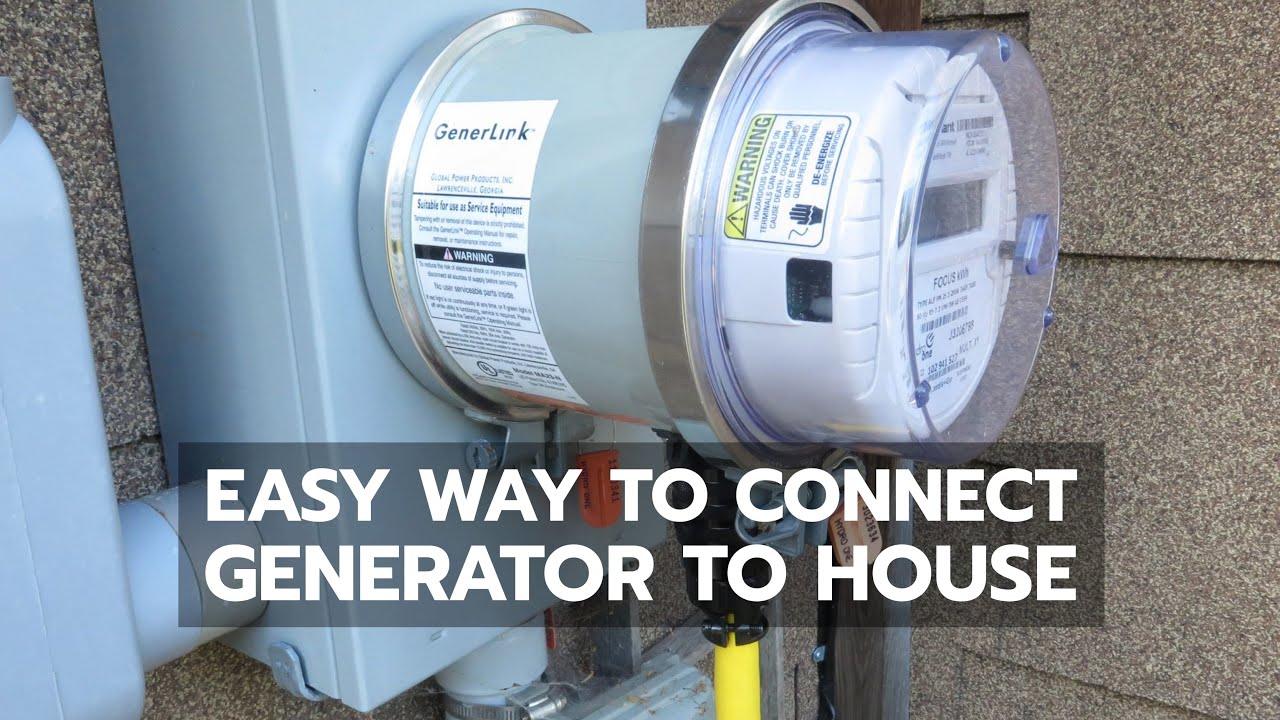
Then there are automatic transfer switches. These bad boys sense when the power goes out and automatically switch to generator power. It’s like having a robot butler who takes care of everything while you relax and sip your (generator-powered) lemonade. These require professional installation.
But before you dive in, remember: safety first! Generators produce carbon monoxide, a deadly gas. So, always operate your generator outdoors, away from windows and doors. Think of it like this: you're a responsible power provider, protecting your family and neighbors from harm.

Also, be mindful of your neighbors. Generators can be noisy. Try to position your generator so that the noise doesn't disturb them too much. Maybe even offer them a cup of that generator-powered coffee! A little neighborly goodwill can go a long way.
So, there you have it: a whirlwind tour of hooking up a generator to your house. From simple extension cords to sophisticated transfer switches, there's a method for everyone. It's not just about keeping the lights on; it's about taking control, feeling empowered, and maybe even having a little fun in the process.
And who knows? Maybe you'll become the neighborhood hero, the go-to person when the lights go out. You'll be the one everyone asks for advice, the one with the power (literally!). Embrace your inner power provider! Let's get hooking.
Just remember to read your generator's manual, follow all safety precautions, and maybe consult with a qualified electrician before you start tinkering. After all, safety is cool, and burnt toast isn't!