
How Do You Get Biomass Energy
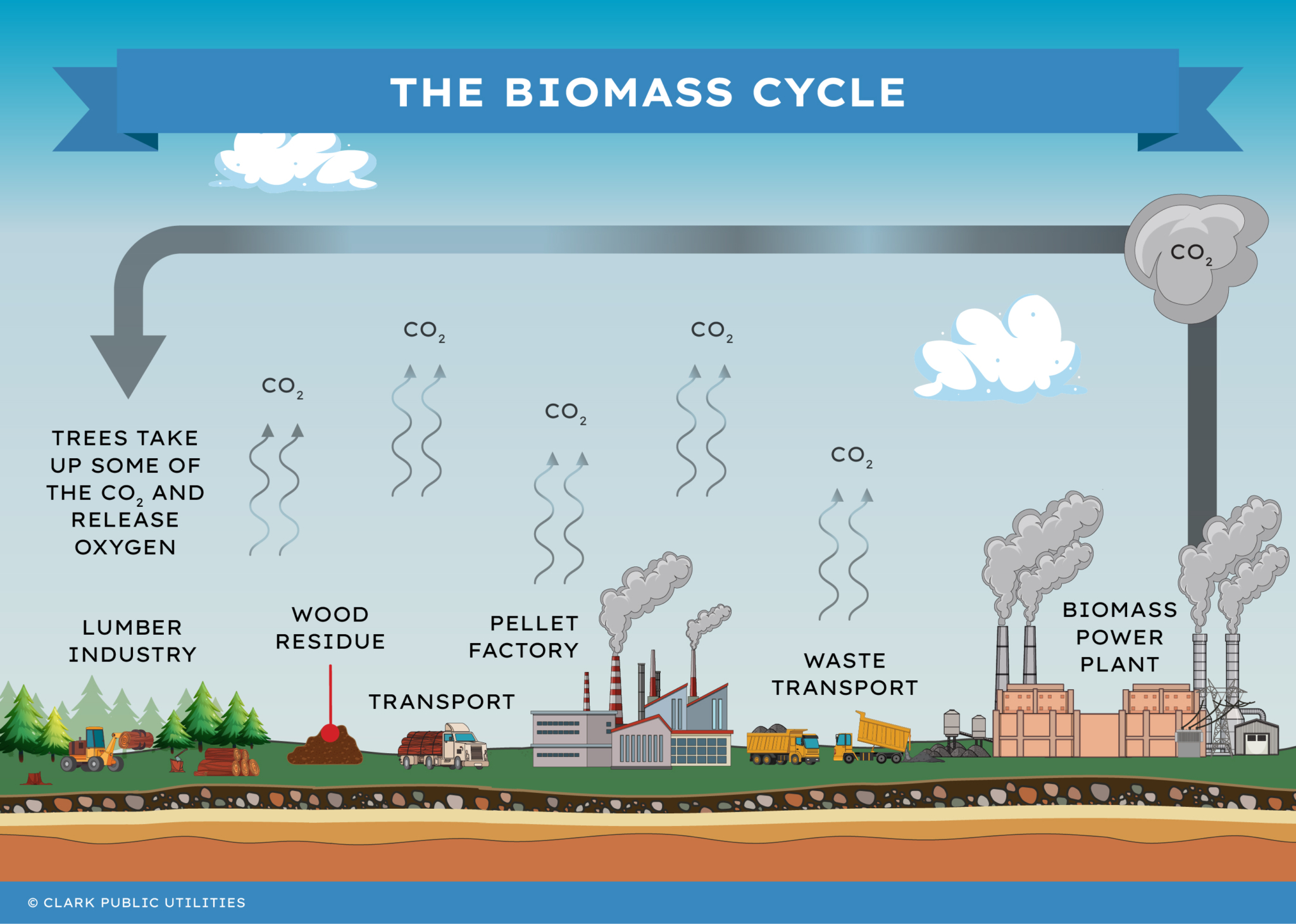
Ever wonder about the secret life of your garden clippings, that leftover sawdust from a DIY project, or even—gasp!—your banana peel? Well, buckle up, eco-curious friend, because we're about to dive into the wonderfully earthy world of biomass energy. It's not just for science textbooks anymore; it's a cornerstone of sustainable living, and surprisingly, it’s all around us.
Think of biomass as nature's original battery. At its core, biomass energy is simply energy derived from organic matter—anything that was once alive. From plants to animal waste, it’s all part of a beautiful, renewable cycle. Instead of relying solely on ancient sunlight stored as fossil fuels, biomass taps into the sun's energy that's being captured by plants right now. How cool is that?
Where Does This Green Gold Come From?
Biomass isn't a single source; it's a diverse portfolio of organic goodies, each playing a vital role.
Must Read
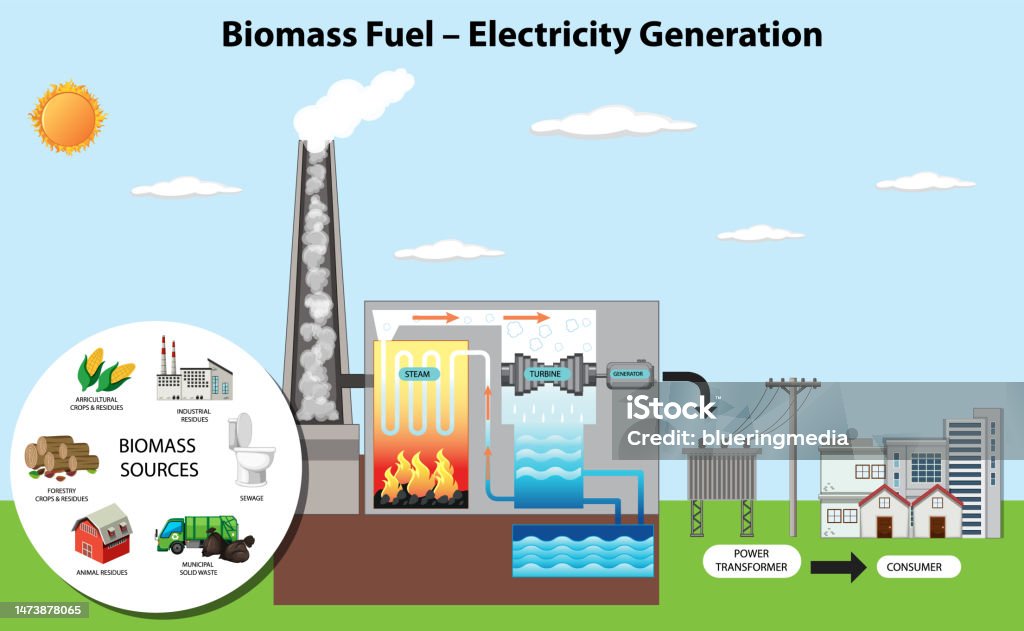
First up, we have agricultural waste. Picture vast fields after harvest, strewn with corn stalks, wheat straw, or sugarcane bagasse. Instead of burning these residues or letting them decompose slowly, they can be collected and converted into energy. It's like giving new life to what was once considered trash. Fun fact: Many traditional farming communities around the world have historically used crop residues for cooking and heating, long before "biomass energy" became a buzzword!
Then there's forestry waste. Logging operations, sawmills, and even your local tree-trimming service generate tons of wood chips, sawdust, and tree bark. This isn't just waste; it's a goldmine of energy. Instead of ending up in landfills, these woody bits can power homes and industries. If you've ever enjoyed the cozy warmth of a wood stove, you've engaged in a tiny, personal act of biomass energy utilization!

But wait, there's more! Some crops are grown specifically for energy production, known as dedicated energy crops. Think fast-growing grasses like switchgrass or miscanthus, or rapidly regenerating trees like willow and poplar. These plants are chosen for their high yield and efficient energy conversion, acting like nature's own power plants.
And let's not forget about our own contributions! The organic portion of municipal solid waste (MSW), like food scraps and yard waste, can also be converted into energy. So, the next time you toss your vegetable peelings into the compost, remember you’re participating in a smaller, slower version of biomass conversion. It’s all about putting our organic waste to good use!
Even animal manure and wastewater have their place. Specialized systems called anaerobic digesters can break down this organic matter without oxygen, producing biogas (a mixture of methane and carbon dioxide). This biogas can then be used for electricity, heat, or even as vehicle fuel. It's a fantastic way to manage waste while generating clean energy—a win-win!
The Magic of Transformation: How We Convert It
Once we’ve gathered our biomass, how do we unlock its stored energy? There are several fascinating methods:
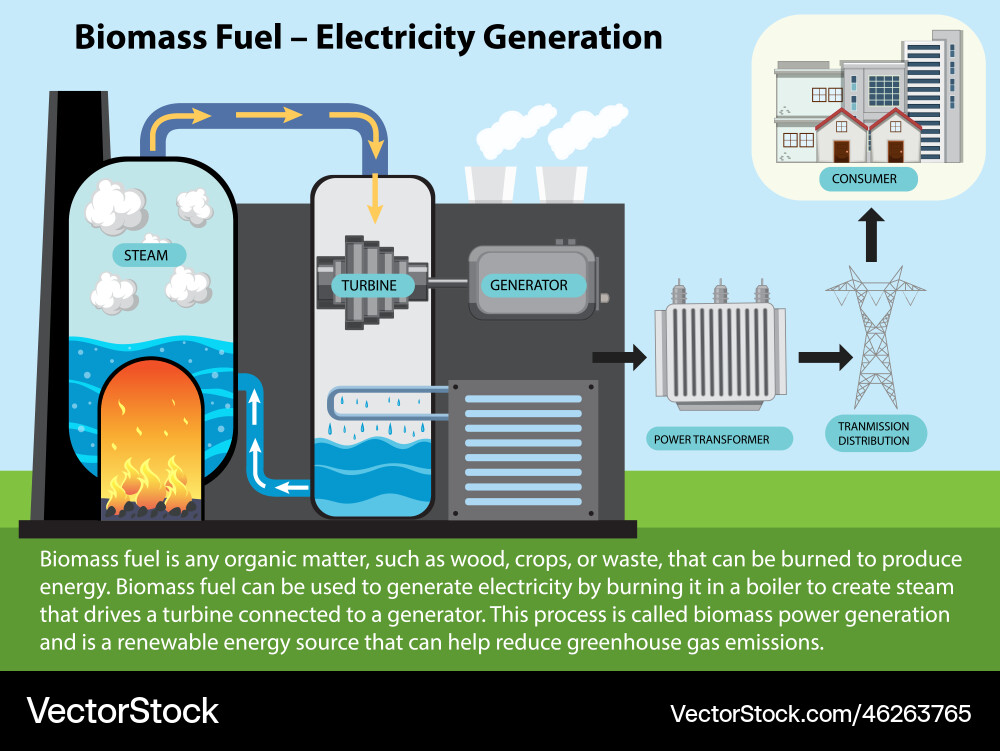
The most straightforward is direct combustion. Simply put, we burn the biomass (like wood chips or agricultural waste) to generate heat, which can then be used to produce steam and drive turbines for electricity. It's the grand-scale version of a campfire, but with much more advanced emission controls.
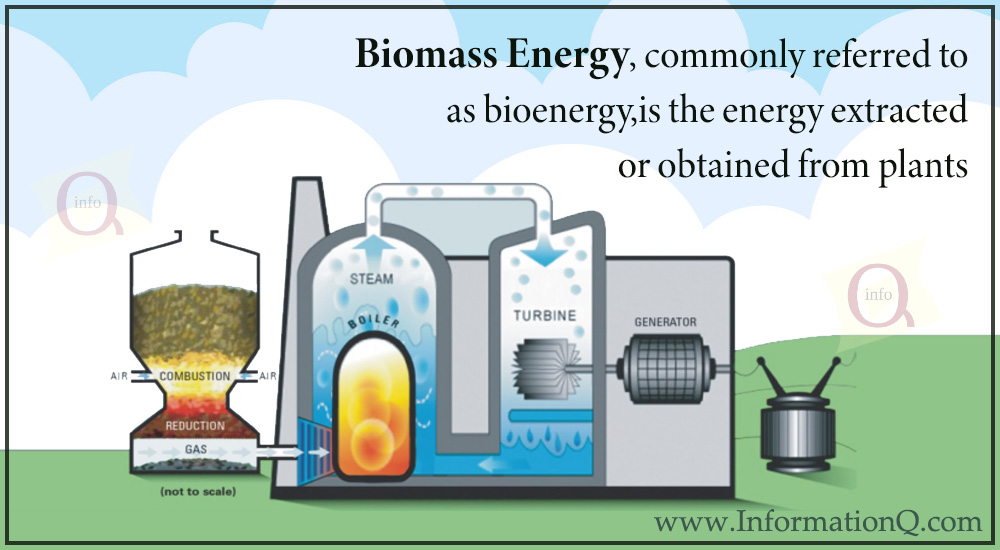
Another cool technique is gasification, where biomass is heated in a low-oxygen environment to produce a synthetic gas (syngas). This syngas is a versatile fuel that can be used in engines or converted into other chemicals.
And remember those anaerobic digesters we mentioned? That process is called anaerobic digestion, creating biogas from wet organic materials like manure and sewage. It's a microbial marvel, transforming stinky waste into useful energy.
Finally, we have biofuels. Think ethanol from corn or sugarcane for your car, or biodiesel made from vegetable oils and animal fats. These liquid fuels offer a renewable alternative to gasoline and diesel, helping to power our transportation sector. Practical tip: If you’ve ever filled up at an E10 pump, you’re using gasoline blended with 10% ethanol, a form of biomass energy!
Why Does It Matter? A Daily Reflection
So, why should we care about where biomass energy comes from? Because it offers a powerful path to a more sustainable future. By harnessing the energy in organic matter, we reduce landfill waste, decrease our reliance on fossil fuels, and often support local economies, especially in rural areas. It’s a beautifully cyclical form of energy that works with nature, not against it.
Next time you're raking leaves, composting food scraps, or simply noticing the vibrant greenery around you, take a moment to appreciate the incredible energy potential held within. Understanding biomass energy helps us see the world with new eyes, recognizing the hidden power in the everyday and the continuous dance of life, growth, and renewal that sustains us all. It reminds us that even the smallest organic matter has a big role to play in powering our planet.