How Do You Get Amps From Watts
Ever looked at the back of an appliance, seen terms like "Watts," "Volts," and "Amps," and just wished you understood what they actually meant for your everyday life? Well, you're in good company! Demystifying these electrical terms, especially how you get Amps from Watts, isn't just for electricians anymore. It's actually a pretty fun and incredibly useful skill that empowers you to understand your home's power usage, avoid pesky tripped breakers, and even make smarter purchasing decisions. It's about bringing a little bit of science into your daily routine in the most practical way possible.
So, who benefits from this knowledge? Pretty much everyone! For beginners, understanding Amps and Watts helps you grasp the basics of how electricity powers your gadgets, making those confusing appliance labels suddenly make sense. It's the first step to feeling more confident about the energy flowing through your home. For families, this knowledge is a game-changer for safety and budgeting. Knowing how much power different devices draw can help you prevent overloading outlets (which is a fire hazard!) and even give you insights into your electricity bill. Imagine explaining to your kids why running the microwave and the toaster at the same time might dim the lights! And for hobbyists, whether you're setting up a home theater, tinkering with DIY electronics, or planning a smart home project, knowing how to calculate Amps from Watts is absolutely fundamental for choosing the right power supplies and ensuring everything runs smoothly and safely. It takes the guesswork out of powering your passions.
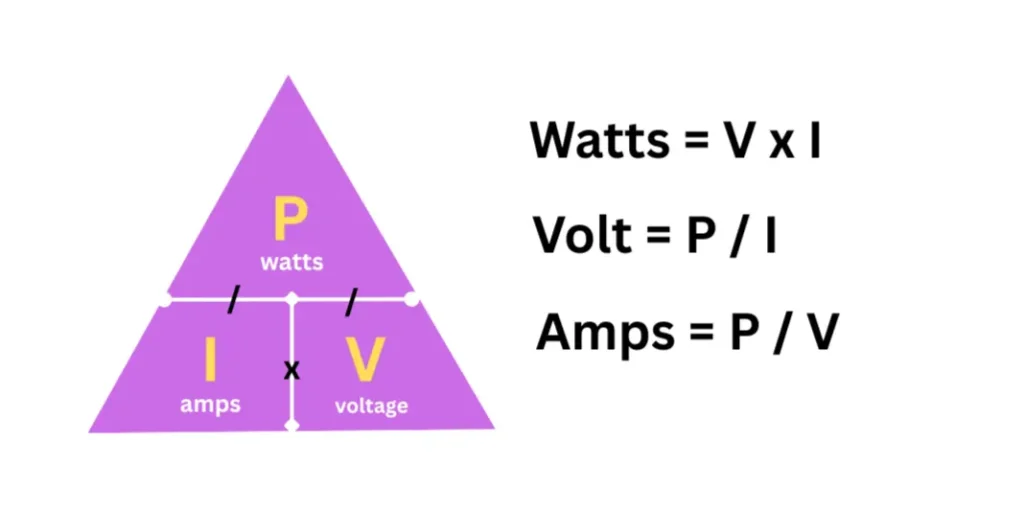
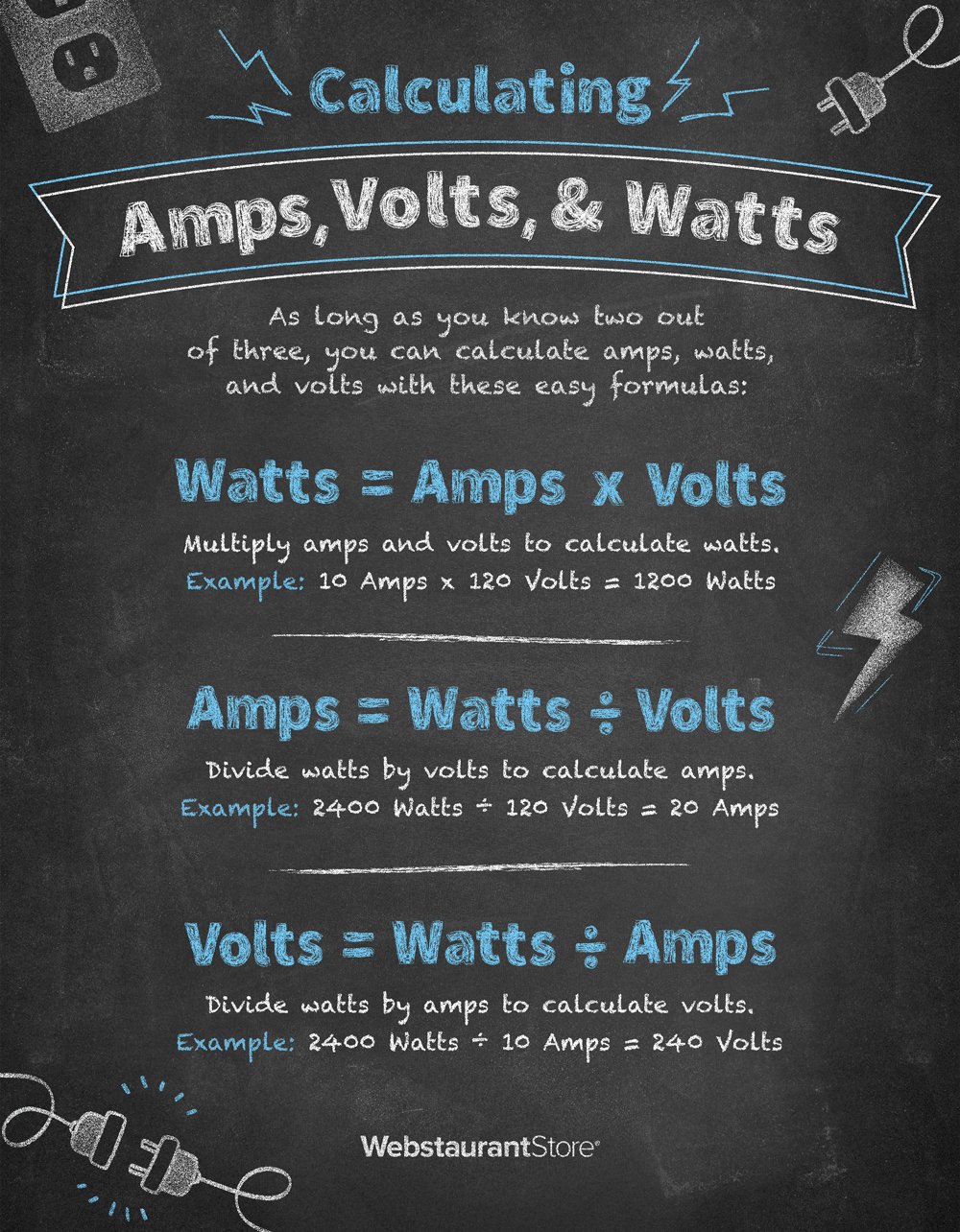
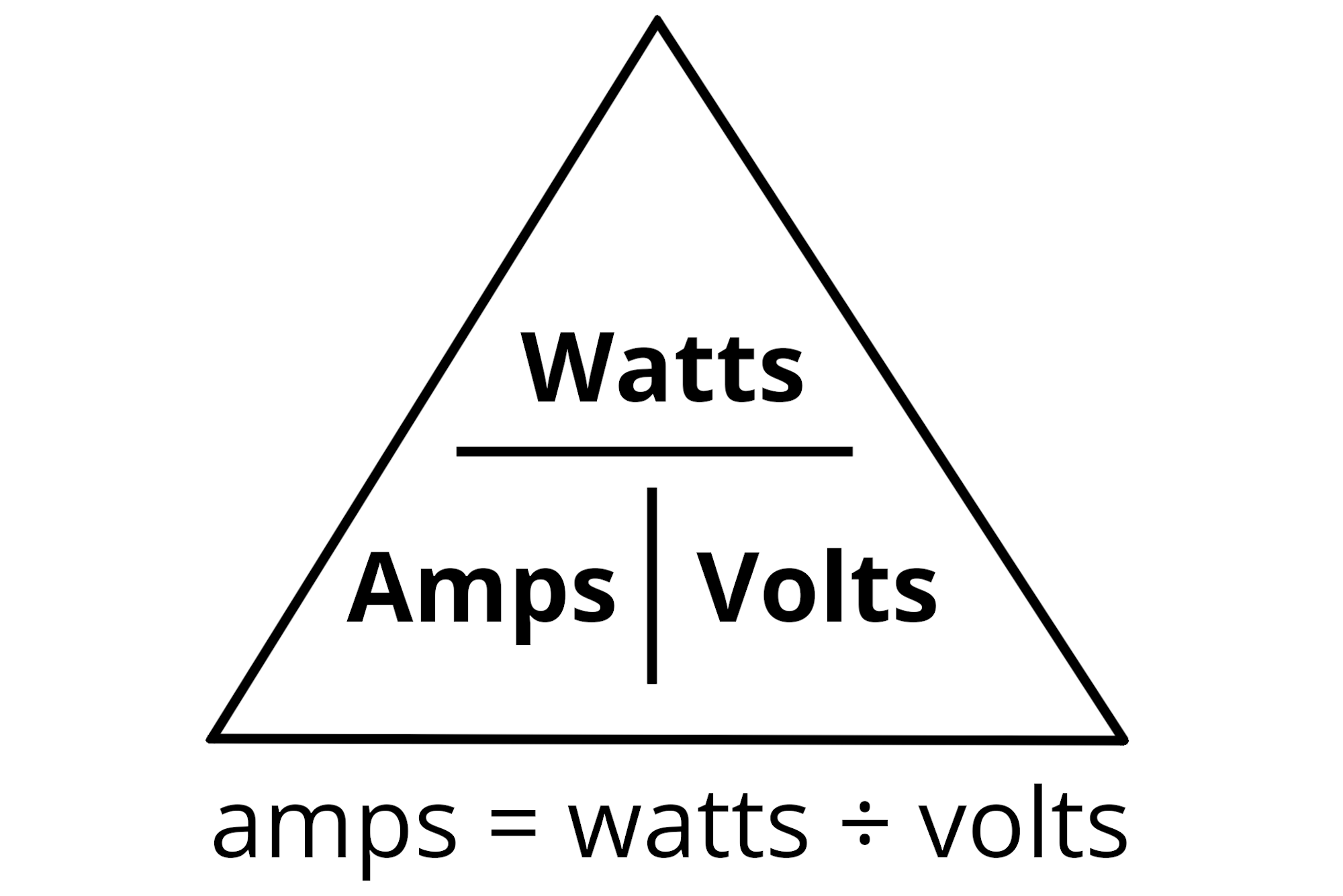
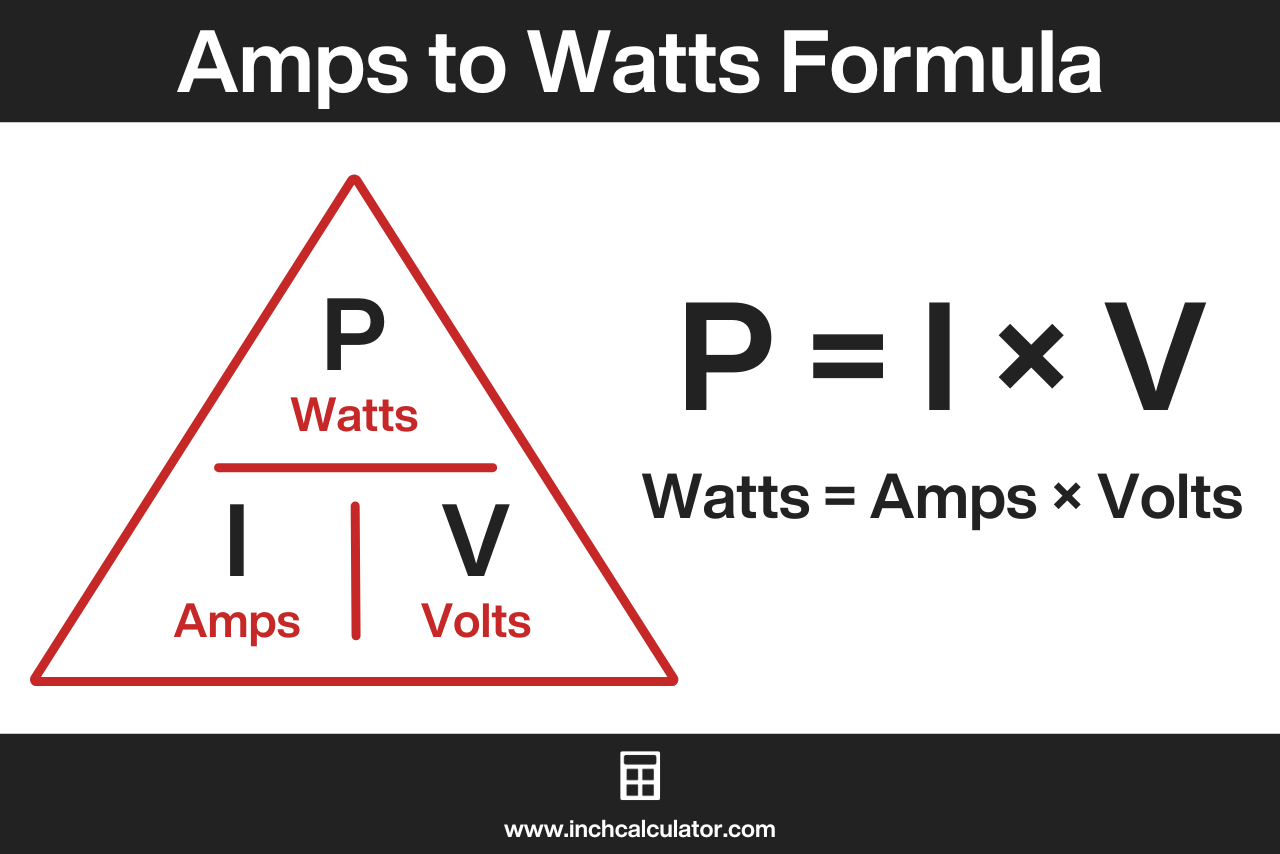
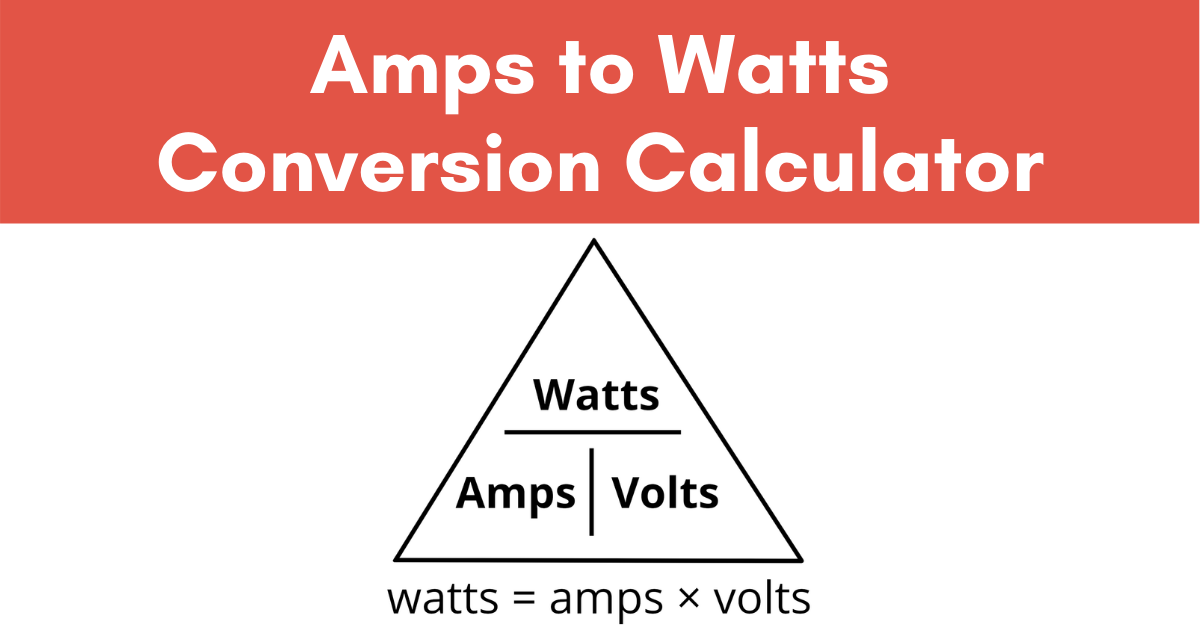
The core idea behind getting Amps from Watts is wonderfully simple, thanks to a formula called Ohm's Law (well, a simplified version for power): Watts = Volts x Amps. So, if you want to find the Amps, you just rearrange it: Amps = Watts / Volts. Let's try some examples! Say you have a 1500-watt hair dryer and you're in the US, where standard household voltage is 120 volts. You'd calculate: 1500 Watts / 120 Volts = 12.5 Amps. That's a lot of power! In Europe, where the voltage is typically 230 volts, that same 1500-watt hair dryer would only draw about 6.5 Amps (1500W / 230V). See how knowing your voltage is crucial? This helps you understand why different devices might feel more powerful or draw less current depending on where you are in the world. You can also reverse-engineer things: if your circuit breaker is rated for 15 Amps and your voltage is 120V, that circuit can handle up to 1800 Watts (15A x 120V) before it trips.
Must Read
Ready to put this into practice? Here are a few simple, practical tips to get started. First, always know your voltage. In North America, it's typically 120V for most wall outlets; in many other parts of the world, it's 230V or 240V. Second, check the labels on your appliances – most will list the wattage (W) directly. If it only lists Amps, you can multiply by your voltage to get Watts. Third, for anything more complex, a simple calculator on your phone is your best friend. Fourth, and perhaps most importantly, don't overload your circuits! Most household circuits are 15 or 20 Amps. If you plug in too many high-wattage devices (like that 12.5A hair dryer and a 10A vacuum cleaner) into the same circuit, you'll trip a breaker. Know what devices are on which circuits in your home. Finally, when in doubt about anything electrical, consult a qualified electrician – safety first!
Understanding how to calculate Amps from Watts might sound like a minor thing, but it truly unlocks a greater appreciation for the electricity that powers our modern lives. It empowers you to be a smarter consumer, a safer resident, and a more confident DIYer. The satisfaction of finally understanding those mysterious numbers on your gadgets and knowing how to manage your home's power effectively is a value that goes far beyond just simple math – it's about control, safety, and a little bit of everyday electrical enlightenment.