How Do You Fix A Dead Car Battery

Ah, the open road! The wind in your hair, your favorite tunes blasting, and the glorious sense of freedom that only a car can provide. For many of us, our vehicle isn't just a way to get from A to B; it's an extension of our independence, a mobile sanctuary, and a key to countless adventures. Whether it's the daily commute, a spontaneous road trip, or just running errands, our car is often at the heart of our everyday rhythm. But then, it happens. That dreaded click-click-click instead of a robust roar, or worse, absolute silence. Your trusty steed has suffered an automotive heart attack: a dead car battery.
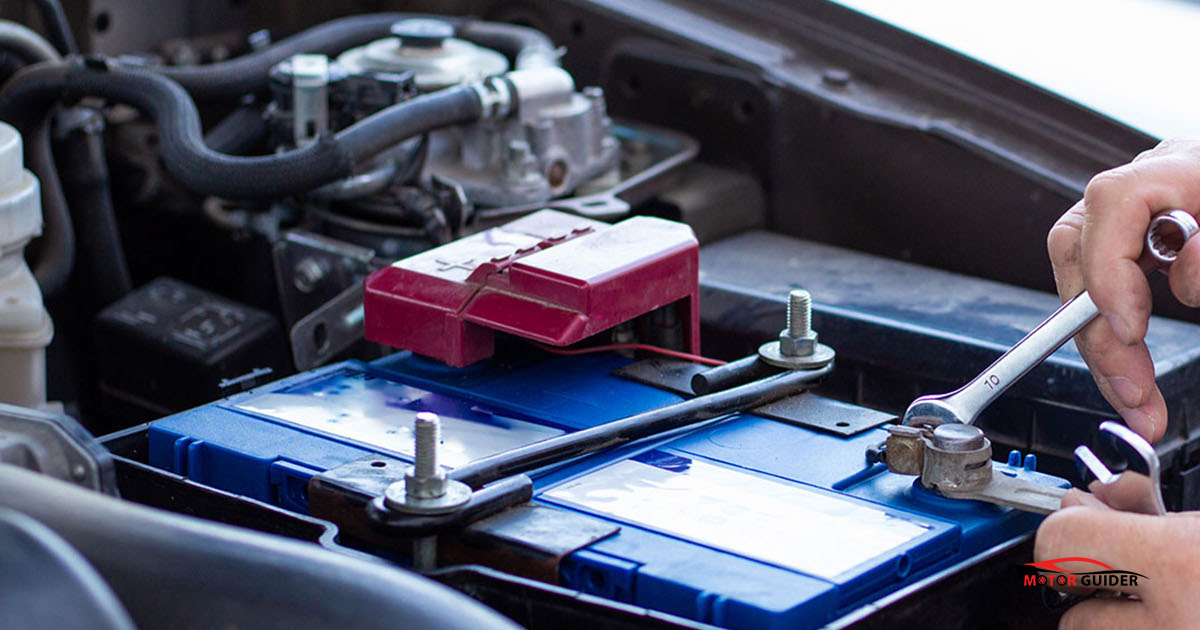
A dead battery is more than just an inconvenience; it's a momentary roadblock to your entire day. Its purpose, of course, is to provide the initial surge of power needed to start your engine, as well as to power various electrical components when the engine isn't running. When it fails, you're stranded. Knowing how to revive it isn't just a handy skill; it's a superpower that saves you time, money, and the sheer frustration of being stuck. Imagine needing to get to an important meeting, pick up your kids from school, or simply embark on that long-awaited weekend getaway. When your battery gives up the ghost, these plans grind to a halt. Being able to fix it yourself means regaining control and continuing your day without the hassle of waiting for roadside assistance or a pricey tow truck.
Common scenarios where a dead battery rears its ugly head are plentiful: leaving your headlights on overnight (a classic!), a prolonged period of not driving your car, or simply the battery reaching the end of its natural lifespan, especially in extreme temperatures. Perhaps you returned from a long flight only to find your airport parking lot ride completely lifeless. These are the moments when a little know-how transforms despair into triumph.
Must Read
So, how do you fix this particular automotive ailment and "enjoy" your driving experience more effectively by minimizing such disruptions? The primary method is a jump-start. First, you'll need a good set of jumper cables and a generous "donor" car with a working battery. Here's the drill:
- Park the donor car nose-to-nose or side-by-side with your dead car, ensuring they’re not touching. Turn off both engines.
- Connect one red clamp to the positive (+) terminal of the dead battery.
- Connect the other red clamp to the positive (+) terminal of the donor battery.
- Connect one black clamp to the negative (-) terminal of the donor battery.
- Connect the other black clamp to a clean, unpainted metal surface on your dead car's engine block, away from the battery and moving parts. Never connect to the dead battery's negative terminal.
- Start the donor car and let it run for a few minutes to charge the dead battery.
- Try to start your dead car. If it starts, hurray! Keep it running for at least 15-20 minutes to allow the alternator to recharge the battery.
- To disconnect, reverse the order: black from the engine block, then black from the donor, then red from the donor, and finally red from your now-alive battery.
To enjoy your car more effectively and prevent future battery woes, invest in a good pair of jumper cables and perhaps even a portable jump starter. Get your battery tested regularly, especially before winter or long trips, and make a habit of ensuring all lights and accessories are off before you walk away. Remember, a healthy battery means a happy car, and a happy car means you're free to chase every adventure the road has to offer!