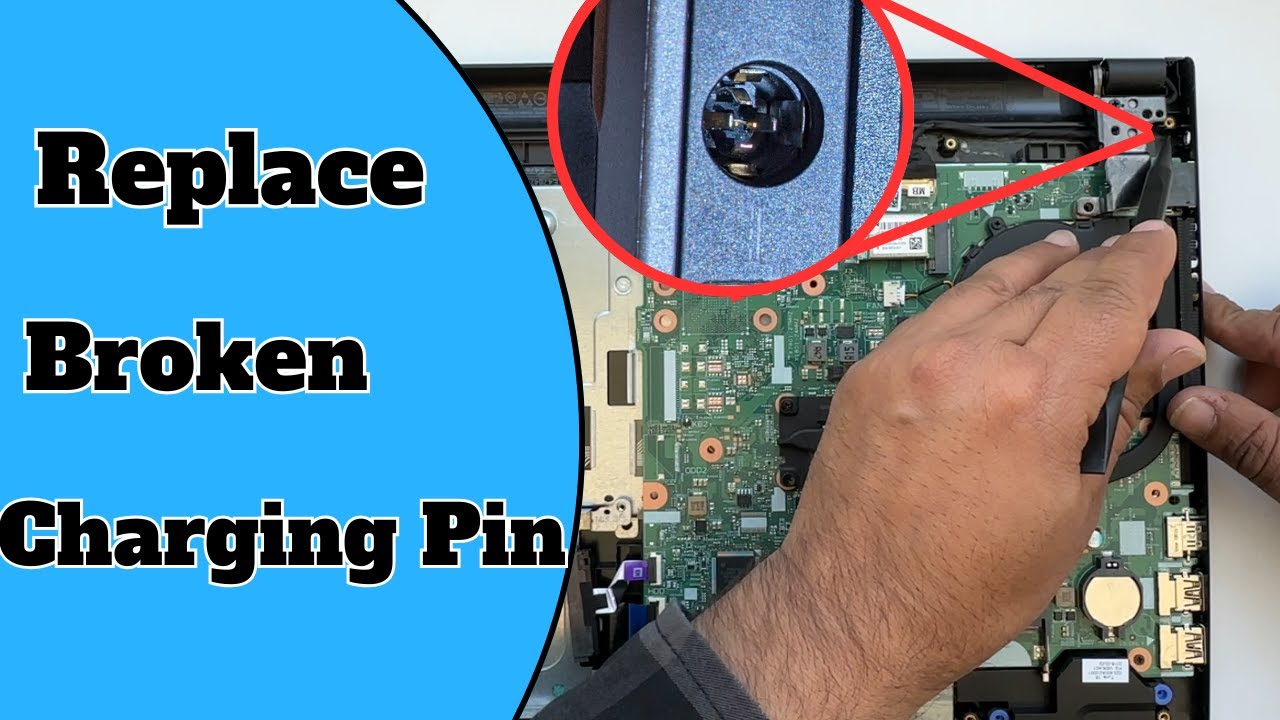
How Do You Fix A Charging Port
We've all been there: that moment of panic when your beloved gadget, be it a smartphone, tablet, or favorite gaming controller, refuses to charge. The charging port, its very lifeline, seems to have given up the ghost. Instead of resigning ourselves to a costly replacement or a trip to the repair shop, what if we saw this common predicament as an invitation? An opportunity to engage with the rewarding world of repair, transforming frustration into a moment of creative empowerment. Fixing a charging port isn't just a technical fix; it's a journey into understanding, precision, and the quiet satisfaction of bringing something back to life.
For the artist, the hobbyist, or even the most casual learner, diving into device repair, like mending a charging port, offers a unique blend of benefits. It hones your attention to detail, crucial for any creative pursuit that demands meticulousness. It cultivates problem-solving skills, where each broken component is a puzzle waiting for an elegant solution. This precise work enhances fine motor skills and patience, valuable attributes whether you're painting a miniature, crafting jewelry, or simply aspiring to be more self-sufficient. Beyond the practical savings, there's the profound benefit of fostering a mindset of resourcefulness and sustainability, turning you into a creator of solutions rather than just a consumer of replacements.
Think of the diverse "styles" of repair! There’s the minimalist repair, where you aim for the cleanest, least invasive fix possible, valuing functionality above all else. Or the sentimental restoration, where the goal isn't just to charge a phone, but to resurrect a device holding precious memories and historical value. Perhaps you're fixing a gaming controller's port – a specific "subject" demanding precise soldering for hours of future fun. Each project, from a tablet's finicky USB-C port to a classic MP3 player's micro-USB, presents its own unique challenge and aesthetic of repair. Some might even find the internal components, once understood, to be a kind of mechanical art, beautiful in their intricate, functional design.
Must Read
Ready to embark on your own repair adventure? Here are some gentle tips to get you started. First, research is your best friend. Look up detailed guides or video tutorials specifically for your device model; someone has likely paved the way. Patience is key; this isn't a race, and rushing can lead to more issues. Gather the right tools: a small precision screwdriver set, fine-point tweezers, a magnifying glass (your eyes will thank you!), and perhaps a soldering iron if the repair demands intricate connections. Always prioritize safety: disconnect power, work in a well-lit area, and take breaks if frustration sets in. Start with less critical devices if you're nervous, and remember, every attempt is a learning experience, regardless of the immediate outcome. Don't be afraid to fail; it's an essential part of mastering any new skill.
So, why is this journey so enjoyable? It's the thrill of the chase – diagnosing the problem, finding the solution. It's the feeling of mastery, transforming a daunting technical challenge into a manageable task. There’s an undeniable satisfaction in seeing that charging icon light up, knowing you, with your own hands and ingenuity, brought it back to life. It’s a small victory, yes, but one that echoes a larger principle: that we are capable of understanding and mending the world around us. It’s a practical skill wrapped in the joy of discovery, an empowering act of modern alchemy, and a wonderful way to recharge your own spirit of ingenuity.