
How Do You Extract Crude Oil
Okay, picture this: You’ve just dropped your phone, and it’s playing hide-and-seek under the absolute tightest, darkest spot in your car. You’re contorting, flashlight in mouth, arm wedged in where it shouldn’t go, just to retrieve that precious device. That feeling of immense effort for something you really want back? You know it.
Well, imagine that, but instead of your phone, it’s crude oil. And instead of under your car seat, it's thousands of feet below the Earth's surface, sometimes under the ocean, locked away for millions of years. Getting that "black gold" out of the ground is a truly wild engineering marvel when you think about it.
The Great Hunt: Finding the Treasure
You can’t just start digging anywhere and hope for the best. That would be like digging for pirate treasure blindfolded – mostly just sore muscles and dirt. First, companies have to find where the oil might actually be hiding. This involves a lot of science, folks!
Must Read
They use something called seismic surveys. Basically, they create mini-earthquakes (don't worry, they're controlled!) either by setting off small explosions or using specialized vibrating trucks. These sound waves travel into the Earth, bounce off different rock layers, and then return to listening devices called geophones. By analyzing the echoes, geologists can create 3D maps of the underground, identifying potential oil and gas reservoirs. It’s like giving the Earth an ultrasound, trying to spot those lucrative pockets of goo. Pretty neat, huh?
Drilling Down: The Earth-Piercing Dance
Once they’ve got a promising spot, it’s showtime for the drilling rig. These colossal structures are essentially giant, powerful drills designed to punch a hole, or "wellbore," deep into the Earth.
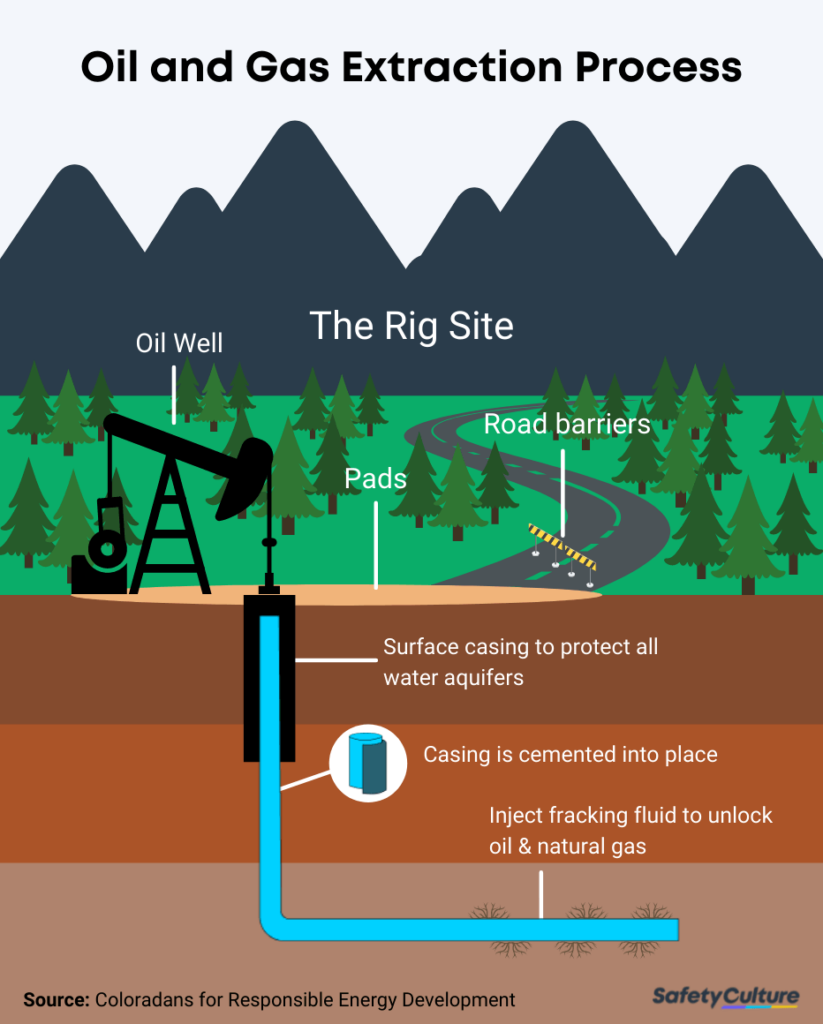
The drilling process itself is fascinating. A rotating drill bit, often tipped with super-hard materials, grinds through rock. As it digs deeper, special drilling fluid, or "mud," is continuously pumped down the well. This mud does a few crucial things: it cools and lubricates the drill bit, carries rock cuttings back to the surface, and maintains pressure in the well to prevent blowouts. Trust me, you don't want a blowout.
As sections of the well are drilled, steel pipes called casings are lowered in and cemented into place. This is super important because it prevents the wellbore from collapsing and isolates different rock layers, protecting groundwater and ensuring the oil stays in its intended path. Imagine trying to drink from a straw that keeps collapsing on itself – no thanks!

Oh, and here’s where things get even cleverer: once they hit the target depth, they often don’t just go straight down. Modern drilling frequently involves horizontal drilling. This means the wellbore makes a turn and extends sideways through the oil-rich rock formation, allowing them to access a much larger area of the reservoir from a single well, making extraction way more efficient.
Bringing it Up: The Final Push
So, you’ve got your wellbore, it’s cased, and you’ve reached the oil-bearing rock. Now what? You can't just stick a giant straw down there and slurp.
First, a tool called a perforating gun is lowered into the well. This gun literally shoots small holes through the casing and cement into the surrounding oil-bearing rock. These holes create pathways for the oil to flow into the wellbore.
Sometimes, the oil doesn't flow easily. The rock might be too tight. That's where hydraulic fracturing, or fracking, comes in. This involves injecting a high-pressure mix of water, sand, and chemicals down the well to create tiny fractures in the rock, allowing the oil and gas to flow more freely. It's a bit controversial, sure, but it's a game-changer for getting oil out of stubborn formations.
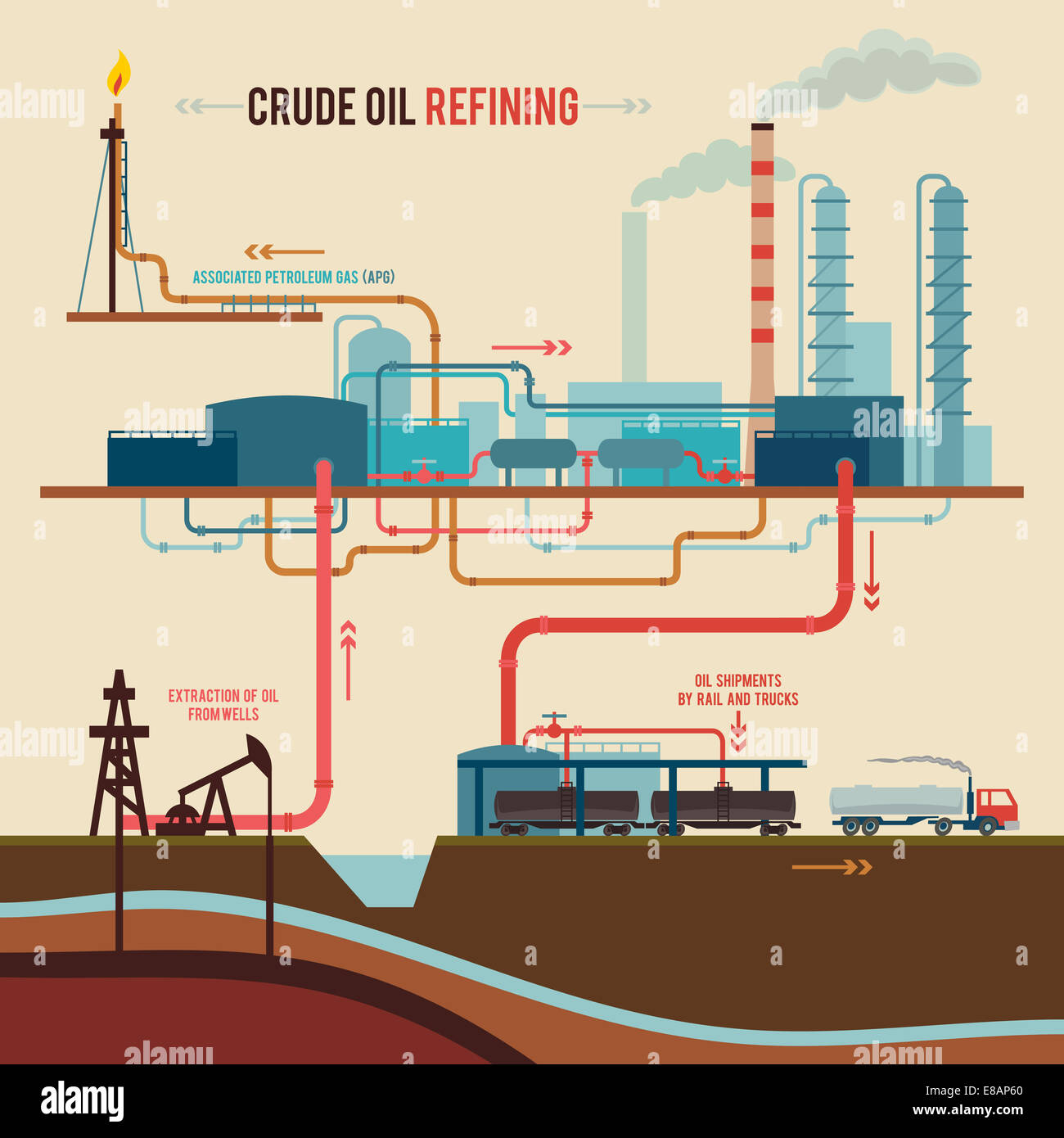
Once the pathways are open, some oil reservoirs have enough natural pressure to push the crude oil all the way to the surface – that’s called natural flow, and it’s the easiest way. But most wells eventually need a little help. That's where artificial lift methods come in. You've probably seen those nodding pumpjacks (often called "nodding donkeys") bobbing away in fields – they're basically giant mechanical pumps pulling the oil up. Other methods include gas lift or electric submersible pumps.

And even after primary production slows down, they're not done! Companies often use secondary recovery methods like waterflooding (injecting water to push the oil towards the production well) or tertiary recovery (like injecting steam or chemicals) to squeeze out even more oil. Because why leave a drop of that valuable stuff behind?
The Journey Continues
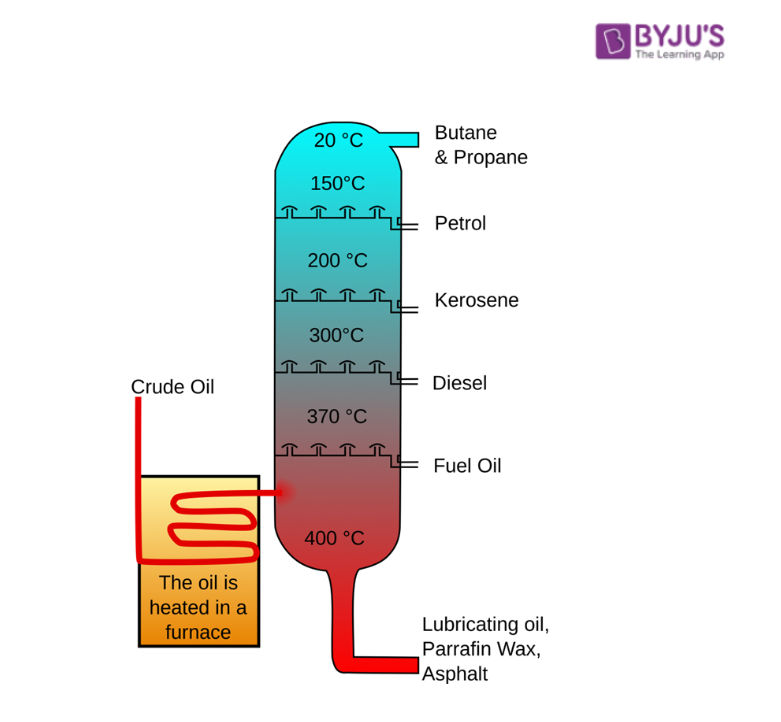
Once the oil is out of the ground, it's typically separated from any accompanying gas or water, and then it begins its long journey through pipelines, trucks, trains, or tankers to refineries. There, it will be transformed into all those products we use every day, from gasoline to plastics.
So, the next time you fill up your car or use something made of plastic, spare a thought for the incredible, complex, and frankly ingenious process that went into extracting that sticky black stuff from miles beneath our feet. It’s definitely more complicated than fishing a phone out from under your car seat, wouldn't you agree?