
How Do You Do Silk Screening
Ever worn a super cool graphic tee and wondered how that awesome design got there, looking so crisp and vibrant? Or maybe you've admired a limited-edition art print on thick paper? Chances are, you've encountered the magic of silk screening, also known as screen printing. It sounds fancy, right? But deep down, it’s a delightfully simple and incredibly versatile process that’s been around for ages, and honestly, it’s pretty darn cool.
So, what exactly is this mystical art form? Imagine wanting to put a specific image – maybe your pet's face, a funny slogan, or a beautiful abstract pattern – onto a piece of fabric, paper, wood, or even metal. How do you do it cleanly, repeatably, and with bold colors? That's where screen printing swoops in to save the day!
The Big Idea: It's All About the Stencil!
At its heart, silk screening is a really clever way to create a stencil. Think about it: when you want to paint a shape on a wall, you might tape off the areas you don't want painted, right? Screen printing works on a similar principle, but way more sophisticated and, dare I say, fun!
Must Read
Instead of tape, we use a special mesh screen – traditionally made of silk (hence the name!), but nowadays usually synthetic materials like polyester. This screen is stretched taut over a frame, like a canvas. Now, here's the clever part: we block off the areas of the screen where we don't want the ink to go. The parts that are left open? Those are your image!
How Does the Stencil Happen? It's Like a Science Experiment!
This is where it gets really interesting. Most modern screen printing uses a photo-sensitive emulsion. Sounds complicated, but it's basically a liquid coating that hardens when exposed to light. You coat your screen with this emulsion, let it dry, and then place your design (printed on a transparent film) on top of it. It’s like creating a negative for a photograph!
Then, you expose the whole thing to a bright light. What happens? The light passes through the clear parts of your design, hardening the emulsion underneath. But where your design is opaque (the dark parts of your image), the light is blocked, and the emulsion stays soft. After exposure, you simply wash the screen with water, and – poof! – the soft, unexposed emulsion washes away, leaving tiny openings in the mesh that perfectly match your design. You’ve just created a perfect, intricate stencil right on your screen!
Time to Print! The Squeegee Magic
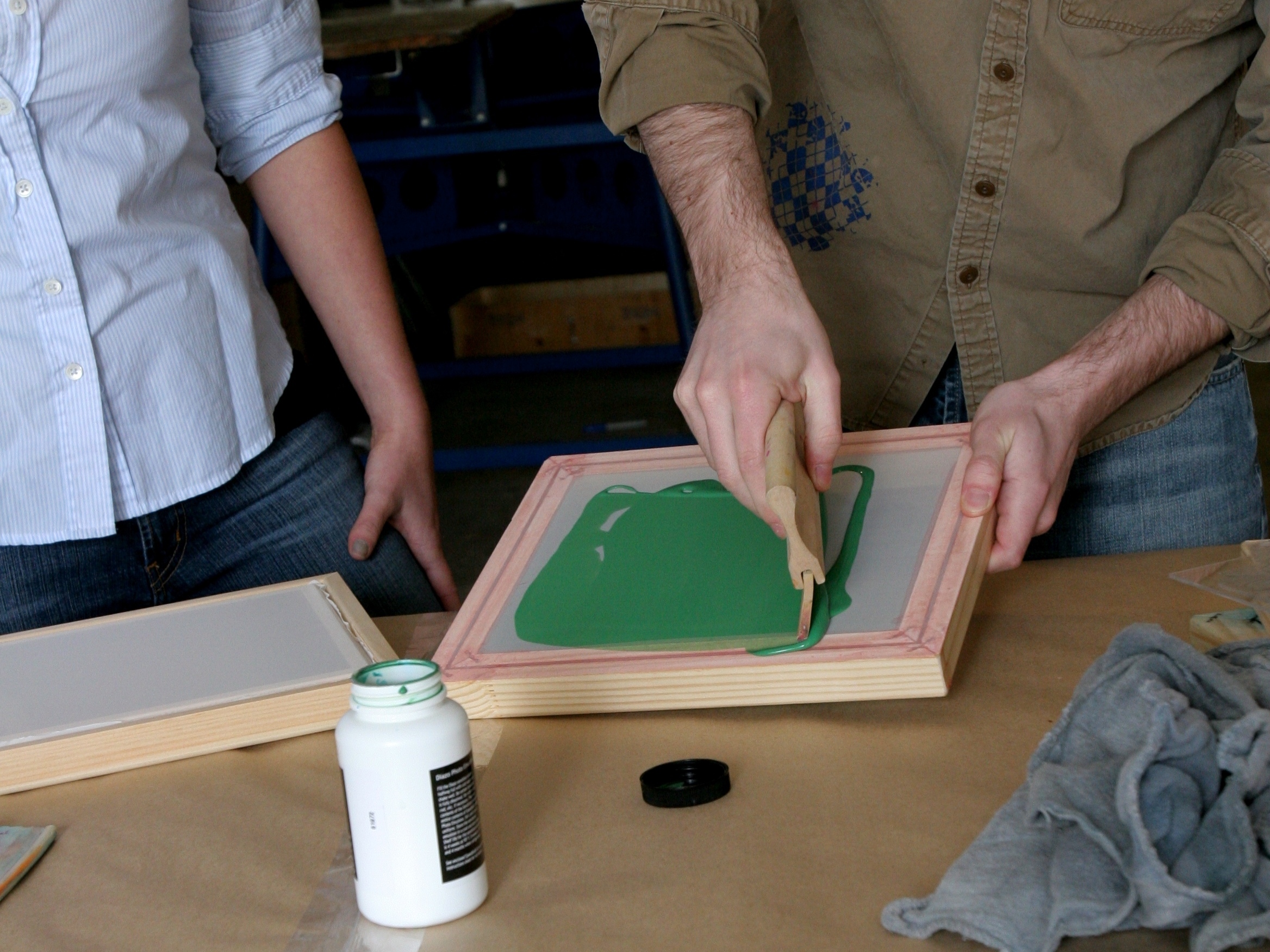
Now for the satisfying part! You lay your T-shirt, poster, or whatever you're printing on, flat. Then, you carefully place your freshly stenciled screen directly on top of it. Pick your ink color – oh, the choices! – and dollop a line of ink along one edge of the screen.
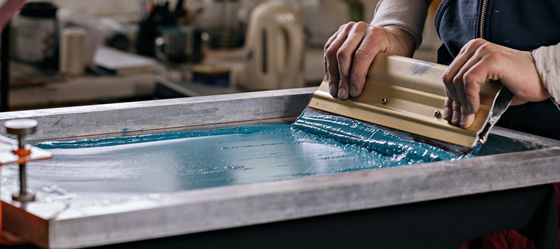
Then comes the squeegee. This isn't just any old window squeegee; it's designed to exert even pressure. With a smooth, firm motion, you pull the squeegee across the screen. What's happening under there? The squeegee pushes the ink through the open areas of your stencil and onto your item below. The blocked-off parts of the screen? They stay ink-free, protecting your surface. It’s a bit like a reverse stamp, pushing ink through the holes instead of picking it up off a raised surface.

The Big Reveal: Peel and Admire!
Once you've done your pass with the squeegee, you carefully lift the screen. And there it is! Your design, perfectly transferred onto your chosen material, looking crisp and professional. It's always a little moment of magic, that reveal, seeing your creation come to life.
After printing, the item usually needs to be cured – often with heat – to make the ink permanent. This is especially important for fabrics, so your awesome design doesn't wash out after the first laundry cycle.
Why Is This So Cool?
So, why is screen printing such a popular and enduring technique? For one, it allows for incredibly vibrant colors. You can lay down a thick, opaque layer of ink that really pops. It's also super versatile: you can print on almost anything flat, from paper and wood to glass and metal, not just textiles. Imagine customizing your own skateboards, phone cases, or even tiny circuit boards!
Plus, once you've made your screen, you can use it to print the same design over and over again. This makes it perfect for producing multiple copies of an item – whether it's a batch of band T-shirts or a series of art prints. It’s efficient, precise, and allows for amazing creative expression.
Whether you're a budding artist, a DIY enthusiast, or just someone who appreciates how things are made, understanding screen printing reveals a fascinating blend of art, science, and practical craft. It's a testament to human ingenuity – taking a simple concept like a stencil and elevating it into a powerful tool for creation. Pretty neat, huh?
