How Do You Determine The Category Of A Hurricane

Hey there! Ever wondered how those weather folks on TV figure out just how scary a hurricane is? Like, is it a "Meh, stay inside and watch Netflix" kind of storm, or a "OMG, grab the canned goods and run for the hills!" situation? Well, pull up a chair, because we're about to dive into the surprisingly simple (and slightly dramatic) world of hurricane categories!
The Saffir-Simpson Hurricane Wind Scale: Your Hurricane Cheat Sheet
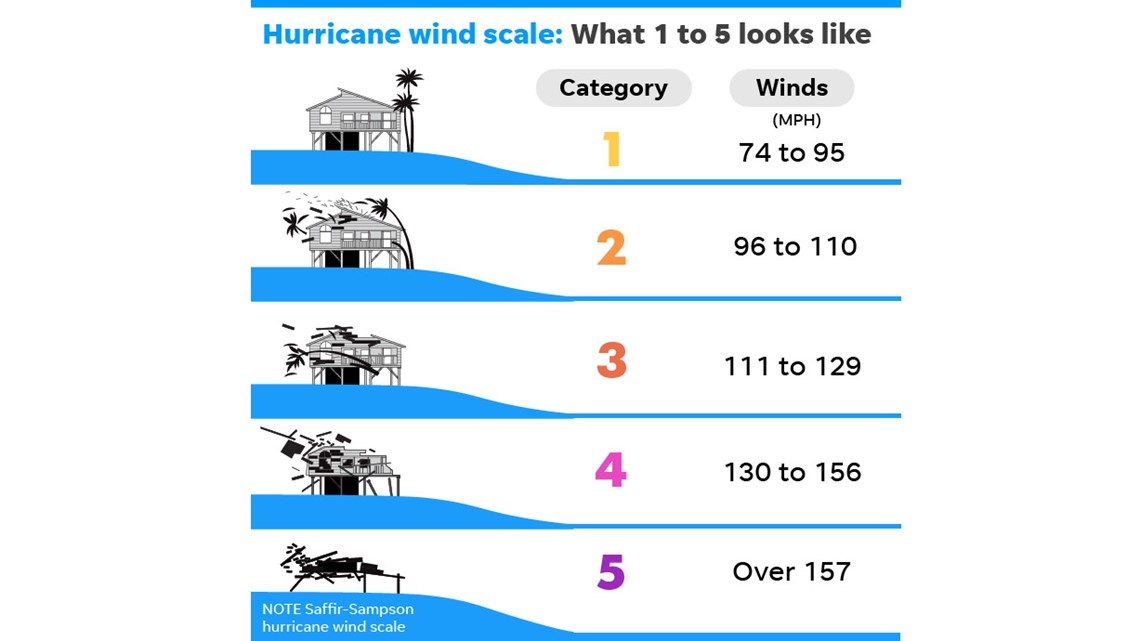
The secret weapon in determining a hurricane's category is something called the Saffir-Simpson Hurricane Wind Scale. I know, it sounds like something out of a science fiction movie, but trust me, it's way less intimidating than a Category 5 hurricane! Basically, this scale uses one key ingredient: sustained wind speed.
Think of sustained wind speed as the average wind speed measured over a specific period, usually one minute. It gives you a more accurate picture of the hurricane's overall power than just a random gust of wind.
Must Read
Now, ready to break down the categories? Let's do this!
Category 1: "Slightly Annoyed" Hurricane
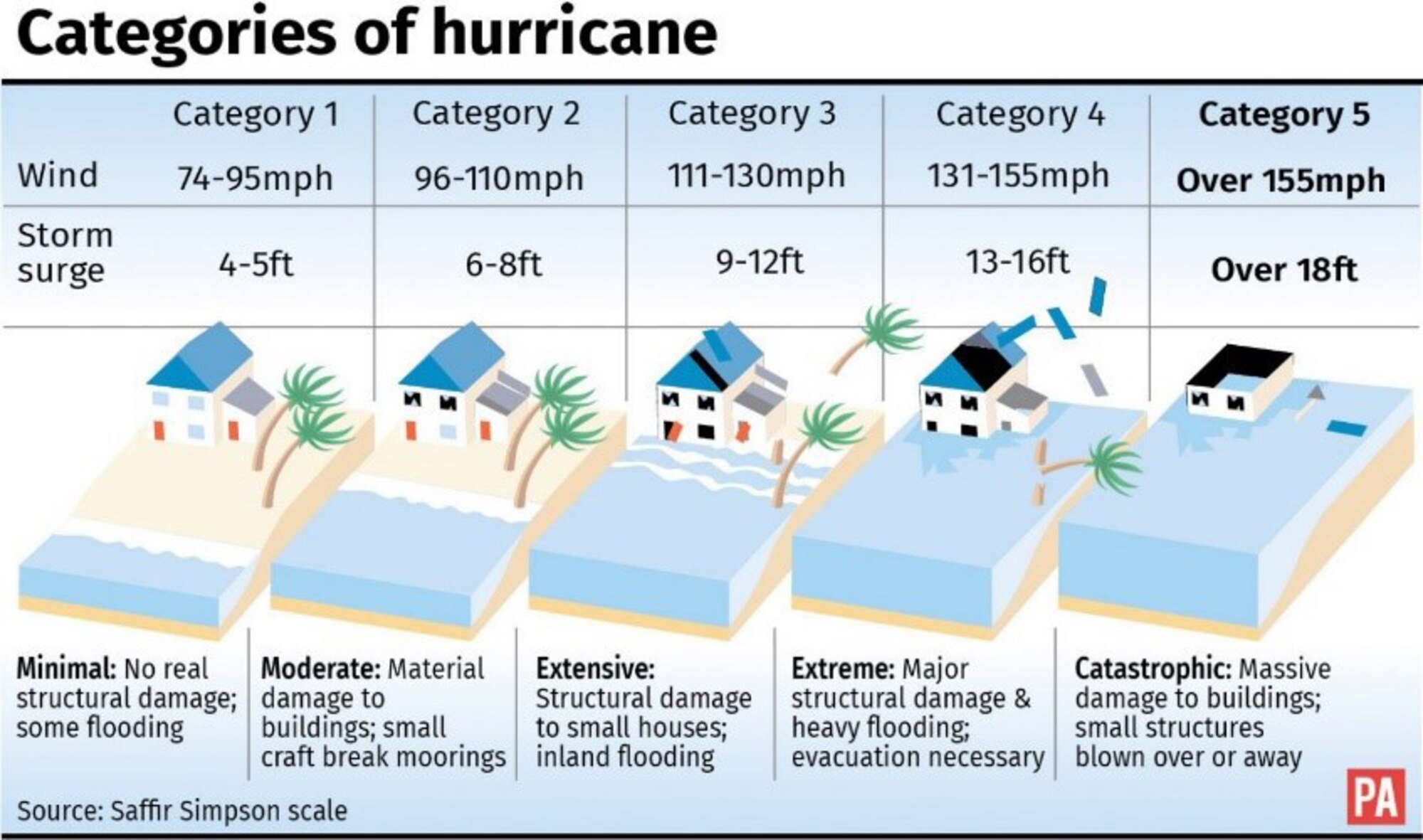
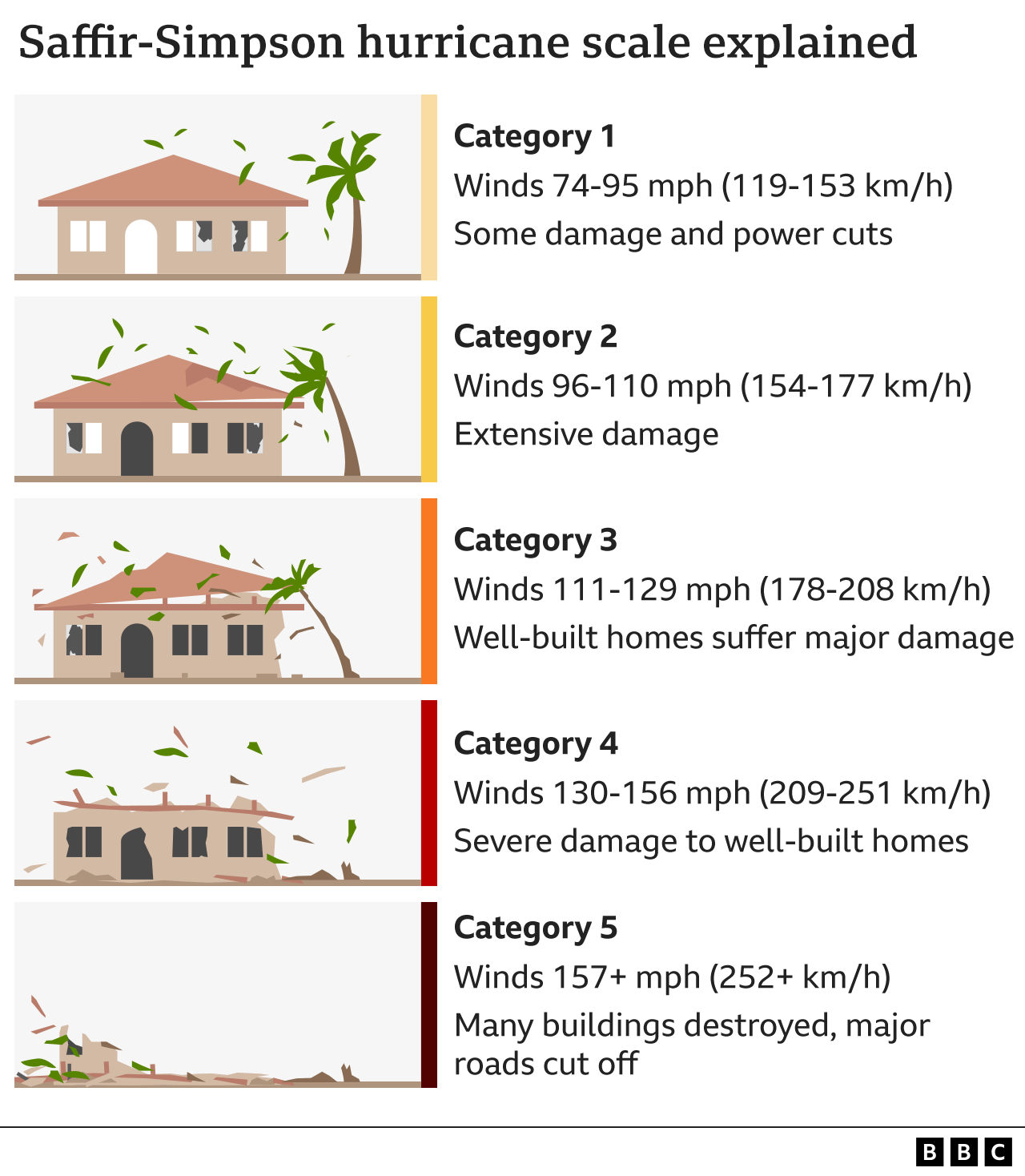
These storms pack sustained winds of 74-95 mph. Okay, "slightly annoyed" might be an understatement. These winds can still knock down power lines, snap a few branches, and maybe cause some minor roof damage. Think of it as a really, really angry thunderstorm that's decided to stay for a while. Prepare for some power outages and maybe a good excuse to order pizza!
![Understanding Hurricane Categories [+ Preparation List]](https://www.alertmedia.com/wp-content/uploads/2019/05/hurricane-categories.jpg)
Category 2: "Irritated and Showing It" Hurricane
Category 2 hurricanes bring sustained winds of 96-110 mph. At this point, you're starting to see more significant damage. Trees are uprooted, roofs start to peel, and power outages become more widespread. Basically, things are getting real. Time to break out the flashlights and charge those portable chargers!
Category 3: "Seriously Upset" Hurricane (Major Hurricane Alert!)
This is where things jump from concerning to, well, legitimately scary! Category 3 hurricanes boast sustained winds of 111-129 mph and are the start of the "major hurricane" designation. Expect significant structural damage to buildings, widespread flooding, and long-term power outages. If you're in the path of one of these bad boys, evacuation might be a good idea. Seriously, don't mess with a Category 3!
Category 4: "Full-Blown Fury" Hurricane (Still a Major Hurricane)
Sustained winds of 130-156 mph. Imagine a tornado, but, like, bigger and wetter. Category 4 hurricanes cause catastrophic damage. Expect complete roof failure, significant damage to homes, and widespread power outages that could last for weeks. Coastal areas will likely be uninhabitable for an extended period. Please heed evacuation orders, your safety is paramount.
Category 5: "Apocalyptic Tantrum" Hurricane (The Most Major of Major Hurricanes)
The Big Kahuna. The Godzilla of storms. A Category 5 hurricane has sustained winds of 157 mph or higher. These storms are incredibly rare, but when they hit, they cause unimaginable devastation. Complete structural failure is almost guaranteed, and entire communities can be wiped out. Seriously, if a Category 5 is headed your way, the only sensible thing to do is evacuate immediately. No amount of Netflix is worth risking your life!
Important Note: While wind speed is the primary factor, it's not the only thing that matters! Storm surge (the wall of water pushed ashore by the hurricane) can be incredibly dangerous, even in lower-category storms. And heavy rainfall can lead to severe flooding. So, pay attention to all the warnings and advisories from your local authorities.
Beyond the Numbers: The Human Element
Remember that behind every hurricane category, there are real people. People who are worried about their homes, their families, and their communities. So, let’s all do our part to be prepared, stay informed, and support each other during these challenging times. And maybe, just maybe, send some positive vibes to the atmosphere to encourage these storms to chill out a little!
So, there you have it! Now you know how hurricanes are categorized. You're practically a meteorologist yourself! (Okay, maybe not quite, but you're definitely more informed than you were five minutes ago!) Stay safe out there, and remember, a little bit of preparation can go a long way in weathering any storm! Now go forth and impress your friends with your newfound hurricane knowledge. You got this!