
How Do You Determine Btu For Air Conditioner

Let's face it, when summer rolls around, air conditioning isn't just a luxury; it's a necessity. But before you rush out and buy the biggest, baddest AC unit on the market, there's a crucial question to answer: How many BTUs do you actually need? Getting this right can be the difference between a perfectly chilled oasis and a room that's perpetually sticky, or worse, an oversized unit that cools too quickly and leaves you feeling clammy. Think of it as finding the perfect brush for a painter, the ideal yarn for a knitter, or the right lens for a photographer – precision matters!
For the creative minds out there – artists, hobbyists, and even casual learners – understanding BTU is more than just a practical concern; it's about optimizing your workspace. Imagine you're a painter working in a sweltering studio. A properly sized AC unit will keep you comfortable, allowing you to focus on your art, not the sweat dripping down your brow. Similarly, a knitter working with wool during the summer months needs a cool environment to prevent the yarn from becoming sticky and difficult to work with. And for anyone learning a new skill, a comfortable learning environment is essential for concentration and retention. No one wants to struggle with thermodynamics while trying to master watercolours!
So, how do you determine the magic BTU number? The most common method involves calculating the square footage of the space you want to cool. As a general guideline, you need 20 BTU per square foot. So, a 150-square-foot room would require a 3,000 BTU air conditioner (150 x 20 = 3,000). However, this is just a starting point. There are other factors to consider.
Must Read
For example, if your room is particularly sunny or has large windows, you'll need to add BTU to compensate for the extra heat. Consider adding 1,000 BTU for each window that faces direct sunlight. If the room is heavily shaded, you can subtract a few hundred BTU. Also, the number of people who regularly occupy the room matters. Add 600 BTU for each person. Kitchens, with their heat-generating appliances, usually require significantly more BTU than bedrooms. And finally, consider the height of the ceiling. Rooms with very high ceilings will naturally require a more powerful unit.
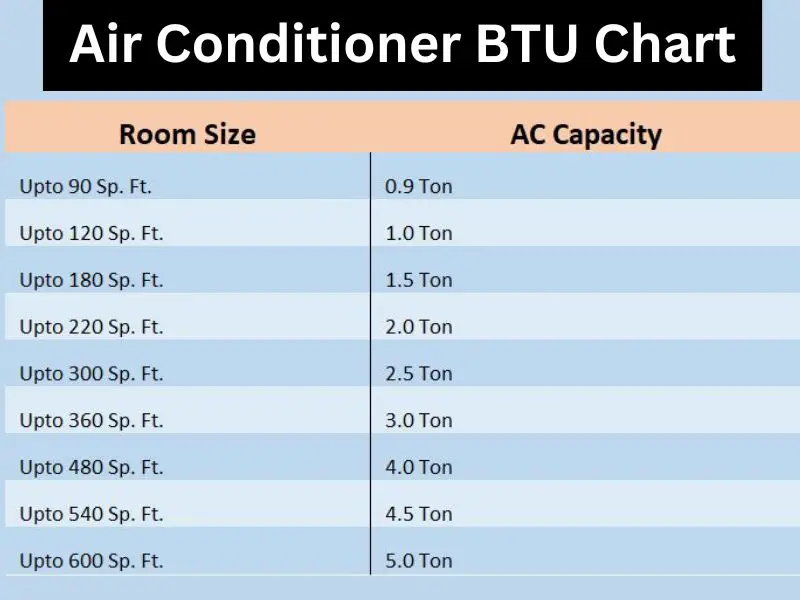
Trying this at home is simple! Grab a tape measure and calculate the square footage of your room. Then, consider the factors mentioned above – sunlight, windows, occupancy, and kitchen appliances. There are also plenty of online BTU calculators that can do the math for you, but understanding the principles behind the calculations is always beneficial.
Ultimately, understanding how to determine BTU for your air conditioner is about more than just staying cool. It's about creating a comfortable and productive environment for yourself, whether you're pursuing your artistic passions, mastering a new skill, or simply relaxing at home. It’s empowering to know you’ve made an informed decision, and hey, isn't a perfectly comfortable room just a little bit more enjoyable?


