How Do You Detect A Gas Leak

We all love our cozy homes, don't we? That feeling of unwinding after a long day, perhaps whipping up a delicious meal in the kitchen, or just enjoying the warmth of a heater on a chilly evening. Most of the time, our homes are our safe havens. But sometimes, there’s a sneaky little intruder that can pose a big problem: a gas leak. It’s one of those things you hope you never encounter, but knowing how to spot it is pure superpower material.
Think of it like being a low-key detective in your own home. You're not looking for missing jewels, but rather for subtle clues that signal it's time to take action. So, let's get our detective hats on and learn how to identify a gas leak, because knowledge truly is power (and peace of mind!).
Your Nose: The OG Detector
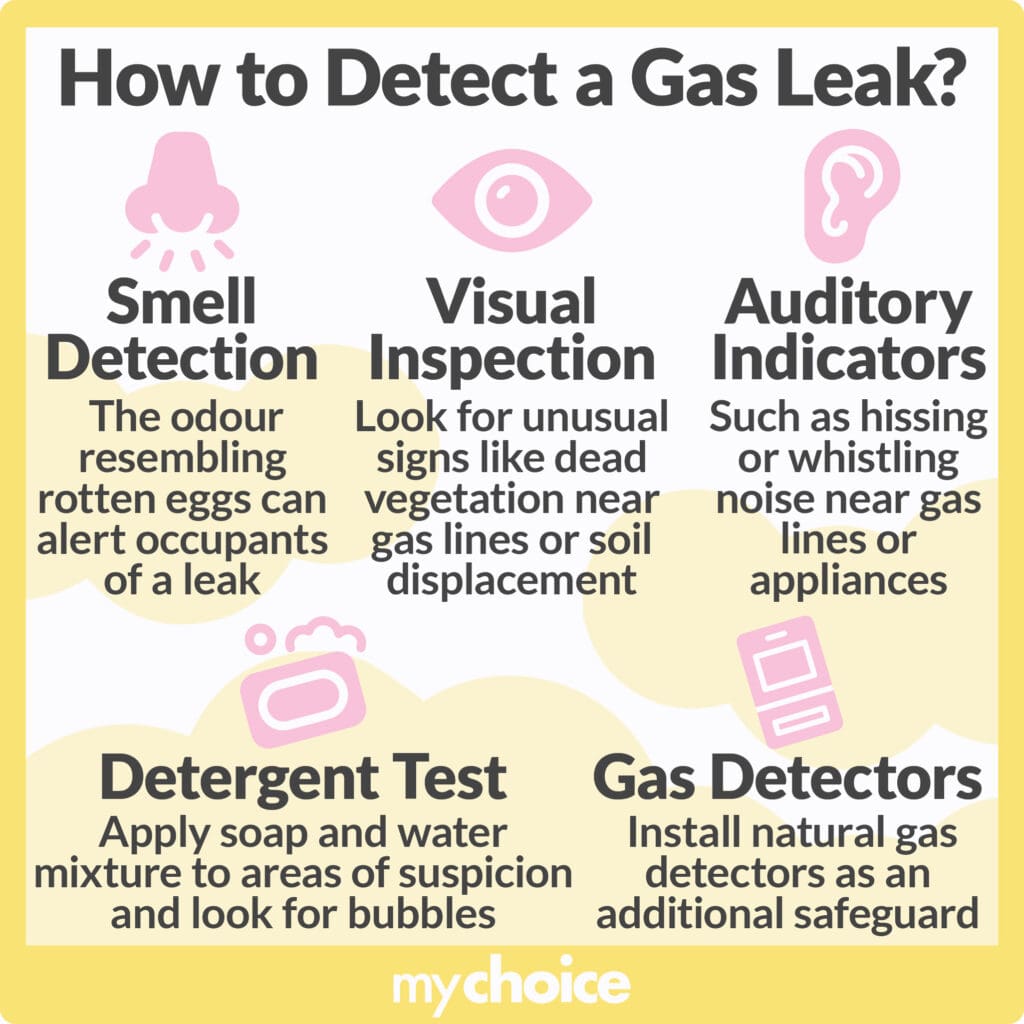
This is probably the most famous clue, and for good reason. Natural gas, in its raw form, is actually odorless. Wild, right? But utility companies are super smart; they add a chemical called mercaptan to give it that unmistakable, pungent "rotten egg" or sulfur-like smell. It’s designed to be universally unpleasant – nobody likes that smell!
Must Read
So, if you catch a whiff of something that makes you question if you accidentally left old gym socks in the pantry, or if you've got a surprise science experiment gone wrong under the sink, trust your nose. It’s your body’s built-in alarm system, and it's rarely wrong about this particular scent.
Your Eyes: Looking for the Unusual
Sometimes, gas leaks offer visual cues. They're more subtle, but definitely worth knowing:

- Dying plants: Ever notice a houseplant looking particularly sad and droopy, especially if it’s near a gas appliance or line? Gas can deprive plants of oxygen, causing them to wilt or even die. It's like your green companions are sending out a silent SOS!
- Dust clouds: If you see a mysterious cloud of dust or dirt blowing around near a gas line, especially outdoors, it could be escaping gas disturbing the soil.
- Bubbles in puddles: If there's standing water outside, near an underground gas line, and you notice bubbles continuously rising through it, that's a serious red flag. It’s like a tiny, urgent spa for gas.
These signs are a bit like spotting an out-of-place prop in a movie scene – once you know what to look for, they jump out at you.
Your Ears: The Sound of Danger
A gas leak isn't always silent. In some cases, particularly with a larger or higher-pressure leak, you might actually hear it.
Listen for a hissing or whistling sound coming from a gas appliance or pipe. It's not the gentle hum of a refrigerator; it’s a distinct sound of gas escaping under pressure. If you hear something like this, it's a very strong indicator that you have a significant leak on your hands.
The Tech Superheroes: Carbon Monoxide Detectors
While natural gas (the kind that smells like rotten eggs) is different from carbon monoxide (the "silent killer" because it's odorless, colorless, and tasteless), it's crucial to mention CO detectors here. These devices are your invisible guardians, silently monitoring for dangerous levels of carbon monoxide that can be produced by faulty gas appliances.
Always have working carbon monoxide detectors on every level of your home, especially near sleeping areas. They won't detect natural gas, but they are absolutely vital for overall gas safety, giving you an early warning that could save lives.
So, You Suspect a Leak – Now What?
This is the most critical part! If you detect any of these signs, remember the cardinal rules:
- Do NOT use cell phones, light switches, flashlights, or anything that could create a spark inside the house. Even flipping a light switch can ignite gas.
- Do NOT try to find the source or fix the leak yourself.
- Immediately evacuate everyone (including pets!) from the building.
- Once you are safely outside and a good distance away, call your gas company’s emergency line or 911 from a neighbor's house or your cell phone.
Detecting a gas leak isn't about being paranoid; it's about being informed and proactive. It's one of those grown-up skills, like knowing how to change a tire or perfectly time an avocado, that gives you a genuine sense of control and preparedness. By understanding the signs and knowing the immediate steps to take, you're not just protecting your home; you're safeguarding your peace of mind and, most importantly, the well-being of everyone under your roof. Stay safe, stay smart!