How Do You Convert Ac To Dc Power

You know that little black brick, often warm to the touch, that lives on the end of your phone charger or laptop cable? The one that sometimes gets wedged under furniture or accidentally kicked across the floor? It might seem like just another mundane piece of plastic, but this unassuming hero is actually performing a dazzling feat of electrical diplomacy, all day, every day. It's the unsung maestro behind the scenes, allowing your most cherished gadgets to sip precisely the power they need to stay alive and humming.
Imagine two very different personalities living in the world of electricity. On one side, you have Alternating Current (AC), the energetic party animal that bursts forth from your wall outlets. It's wild, it's powerful, and it zigs and zags back and forth, changing direction many times a second. Think of it like a giant, roaring river, full of raw, untamed energy. Then, there's Direct Current (DC), the calm, steady, and focused character. This is the kind of power your smartphone, your smartwatch, or your beloved e-reader prefers. It's like a peaceful stream, always flowing gently in one consistent direction, perfect for delicate electronics. The problem? Your wall outlet only speaks the wild language of AC, but your gadgets only understand the serene whispers of DC.
This is where our humble power adapter steps onto the stage, a true translator and peacemaker. It’s not just a connector; it’s a brilliant little wizard, taking that rambunctious, back-and-forth energy from the wall and gently, but firmly, converting it into the smooth, steady flow that your sensitive devices crave. It’s like trying to give a baby a drink directly from a fire hose – impossible! Our adapter ensures that the power is not only flowing in the right direction but also at the perfect gentle pressure. Without this silent sorcerer, plugging your phone directly into the wall would be a recipe for a very short-lived and dramatic sparks-and-smoke show.
Must Read
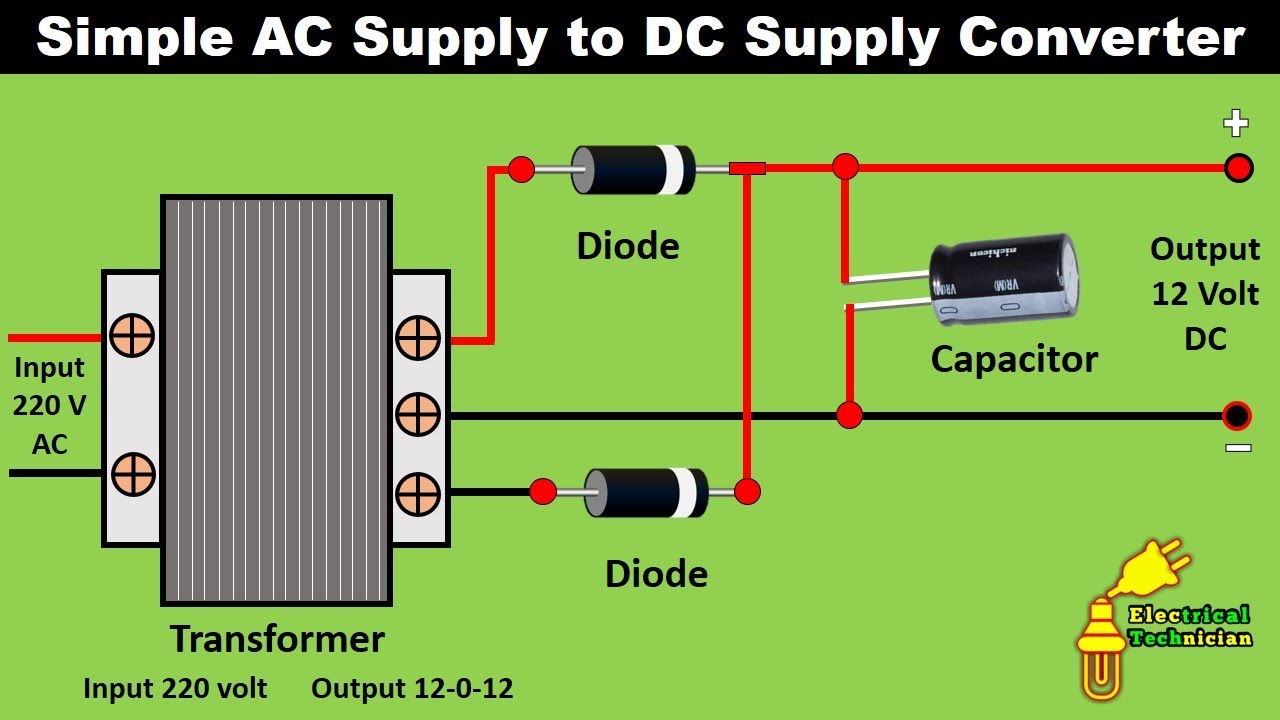
Inside that seemingly simple brick, a tiny, bustling team works in perfect harmony. First, there's a kind of "bouncer" – we often call it a Rectifier – that makes sure the wild AC party-goer starts moving mostly in one direction, albeit a bit choppily. Then, imagine a "smoothie maker" – a Capacitor – that takes that choppy flow and blends it into a silky-smooth, consistent stream. There's often also a clever "size adjuster" – a Transformer – that brings down the overall "volume" of the electricity to a level just right for your delicate gadget. It's a miniature, precise operation, all contained within a package you probably don't give a second thought to, working tirelessly to bridge two very different electrical worlds.
The Unexpected Heart of Our Connected Lives
It's incredibly easy to take these little converters for granted. They hum quietly in the background, often hidden, doing their crucial work out of sight, out of mind. But pause for a moment and consider their impact. Every heartwarming video call with Grandma, every late-night gaming adventure, every crucial work email sent from your laptop, every single one of these moments is powered by the silent, steadfast work of these humble bricks. They are the unseen guardians of our digital world, making sure everything runs smoothly, connecting us to friends, family, information, and endless entertainment. They enable our modern conveniences, letting us charge our phones by our bedsides and power our smart devices with ease.

The next time you plug in your phone, take a moment. Gaze upon that little adapter, that often-hot, sometimes-awkward lump of plastic. It's not just a piece of plastic and wires; it's a testament to clever engineering, an everyday miracle worker. It bridges two completely different worlds of electricity, all to keep your device happy and your life connected. It’s a quiet reminder that sometimes, the biggest helpers come in the smallest, most unassuming packages.