
How Do You Calculate Gas Bill

Ever stared at your gas bill and thought, "What even IS this magic paper?" You're not alone! Most of us just pay up, grumbling a little, without truly understanding the mystical alchemy behind those numbers. But guess what? Unpacking your gas bill can actually be... kinda fun? Seriously!
Think of it as cracking a secret code. You’re not just paying for "gas" in the abstract; you're paying for a whole intricate system. It's like buying a coffee – you're not just paying for beans, right? You're paying for the barista's skill, the cozy cafe vibe, the fancy machine, and maybe even that tiny little paper sleeve. Your gas bill is similar, but with more pipes and less latte art.
The Big Question: What Are We Actually Paying For?
First off, let's ditch the idea that gas is just, well, gas. The main thing you're paying for is the energy content of that gas. Natural gas is super useful because it packs a punch! It's not just about the volume, but the heat it can generate. Imagine two identical balloons, one filled with regular air, one with helium. Same volume, wildly different properties! Gas is like that, but with heat.
Must Read
Utilities don't just measure the volume of gas flowing into your home like water. They measure its energy potential. This is where things get a little quirky and wonderfully specific.
Cubic Feet or Therms? It's a Measurement Party!
Your bill will likely show your usage in one of two ways: CCF (which stands for hundred cubic feet) or Therms. If your bill uses CCF, they're measuring the volume of gas. But wait, there's a twist!
Even if measured in CCF, your utility company then converts that volume into Therms. Why? Because the energy content of natural gas can vary slightly. Some gas might have more "oomph" per cubic foot than others. So, a Therm is a standardized unit of heat energy. It’s like saying, "We delivered 100 apples, but these apples are extra juicy."

One Therm is roughly equivalent to the energy found in 100 cubic feet of natural gas. So, your bill might say you used 10 CCF, and then show a "Btu factor" or "Therms conversion factor" to translate that into actual Therms. Don't let it scare you! It's just them making sure you pay for the actual energy you used, not just a measurement of how much air passed through a pipe.
Fun Fact: Natural gas is naturally odorless. Utility companies add a chemical called mercaptan to give it that distinctive rotten-egg smell. Why? So you can detect leaks! Without it, you'd never know there was a problem. So, next time you smell gas, thank mercaptan for saving the day (and potentially your house!).
The Price Tag: What Makes a Therm Cost What It Does?
Okay, so you’ve got your Therms. Now, how much do they cost? This is where the world's economy, the weather, and even global politics can sneak onto your gas bill. The price of natural gas itself (the "supply" cost) fluctuates constantly. It's like a stock market for warmth!

If it's a super-cold winter across the country, demand for gas skyrockets, and so does the price. If there's an abundance of gas being extracted, prices might drop. Your utility company buys this gas on the wholesale market, and then passes that cost on to you, usually without a markup on the commodity itself. They're just the messenger!
So, the "price per Therm" you see on your bill isn't fixed. It's a dynamic, living, breathing number that changes with the seasons and the wider world. Pretty wild, right?
Beyond the Gas: The Delivery Charge & Other Mysterious Fees
This is where your bill gets really interesting. You're not just paying for the gas commodity itself. You're paying for the incredible infrastructure that gets it to your home. Think about it: miles and miles of underground pipes, pumping stations, maintenance crews, emergency services available 24/7, customer support, meter readers (or the fancy tech that reads them wirelessly!), and all the regulatory hoops they have to jump through.
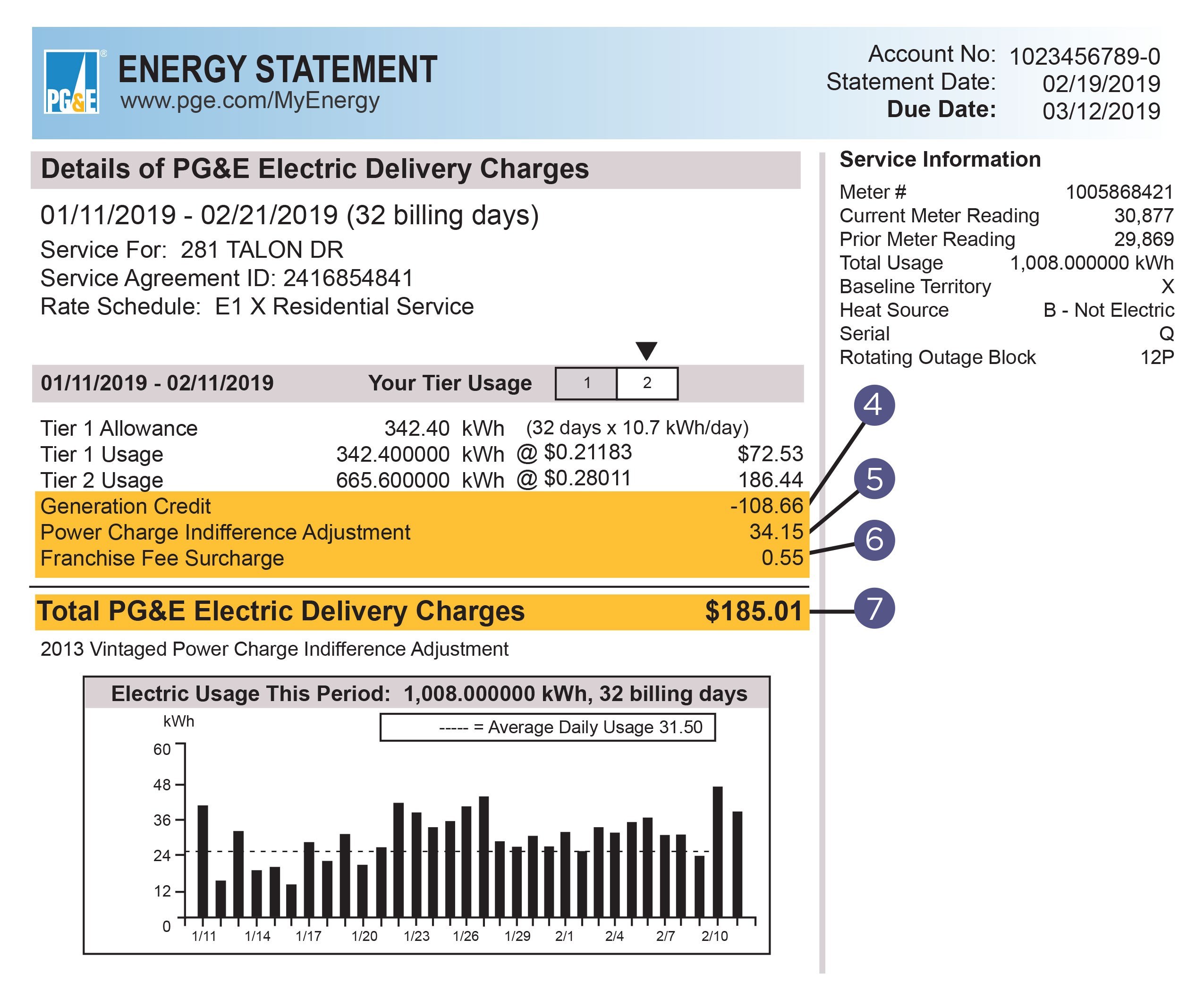
These are your "delivery charges" or "transmission charges." They cover the cost of maintaining that vast, complex network. It’s a bit like paying for the postal service to deliver a letter – you're paying for the whole system, not just the paper and ink.
You'll often see a fixed monthly charge here, regardless of how much gas you use. That's for the privilege of being connected to the grid. Then there might be a per-Therm delivery charge on top of that. It all goes into keeping your furnace humming and your stove flame burning safely.
Quirky Thought: Your gas meter, with its little spinning dials or digital display, is like a tiny, silent accountant keeping track of your energy consumption. It sits outside, braving the elements, doing its job without complaint. Give it a silent nod of appreciation next time you pass by!
The Grand Total: Putting It All Together
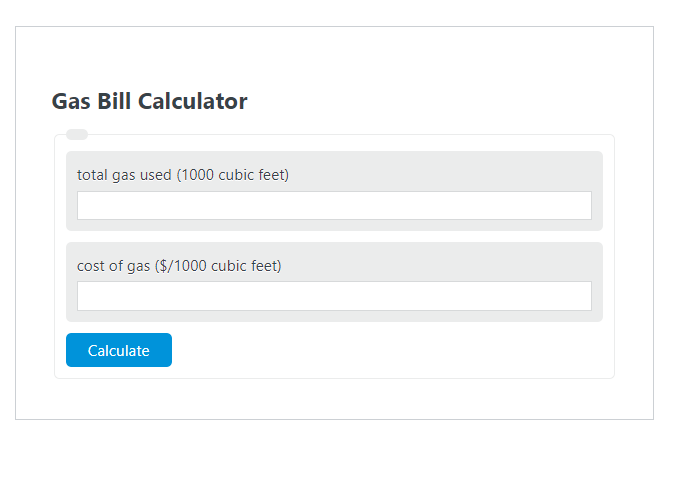
So, to sum up the mystical equation: Your bill usually boils down to this:
- Gas Commodity Cost: (Your Therms Used) x (Current Price per Therm)
- Delivery/Distribution Charges: (Fixed Monthly Fee) + (Your Therms Used) x (Delivery Rate per Therm)
- Taxes and Surcharges: A little extra for various local, state, or environmental initiatives. Because, of course!
Add all those up, and BAM! There's your gas bill. It’s not just a single number; it's a symphony of calculations, market forces, and infrastructure costs. Understanding these components can help you make sense of why your bill might jump in winter or why it's different from your neighbor's (they might have a draftier house!).
Next time you see that bill, instead of just sighing, maybe give it a closer look. Appreciate the journey that invisible, odorless, heat-producing gas takes to get to your home. It’s a minor marvel of modern engineering, right there on your doorstep, ready to warm your toes or cook your dinner. Who knew understanding your utilities could be such a fascinating little adventure?