
How Do You Build A Solar Panel

Ever looked up at the sun on a glorious day and thought, 'Wow, that's a lot of free energy just beaming down!'? Well, you're not wrong! Plants do it with photosynthesis, but we clever humans have figured out our own super-duper way to catch those rays and turn them into sparkly, useful electricity. We call it a solar panel, and trust me, building one is way more fun and way less complicated than you might imagine – it's like making a high-tech, sun-powered sandwich!
The Star Ingredient: Sun-Snackers (Photovoltaic Cells)
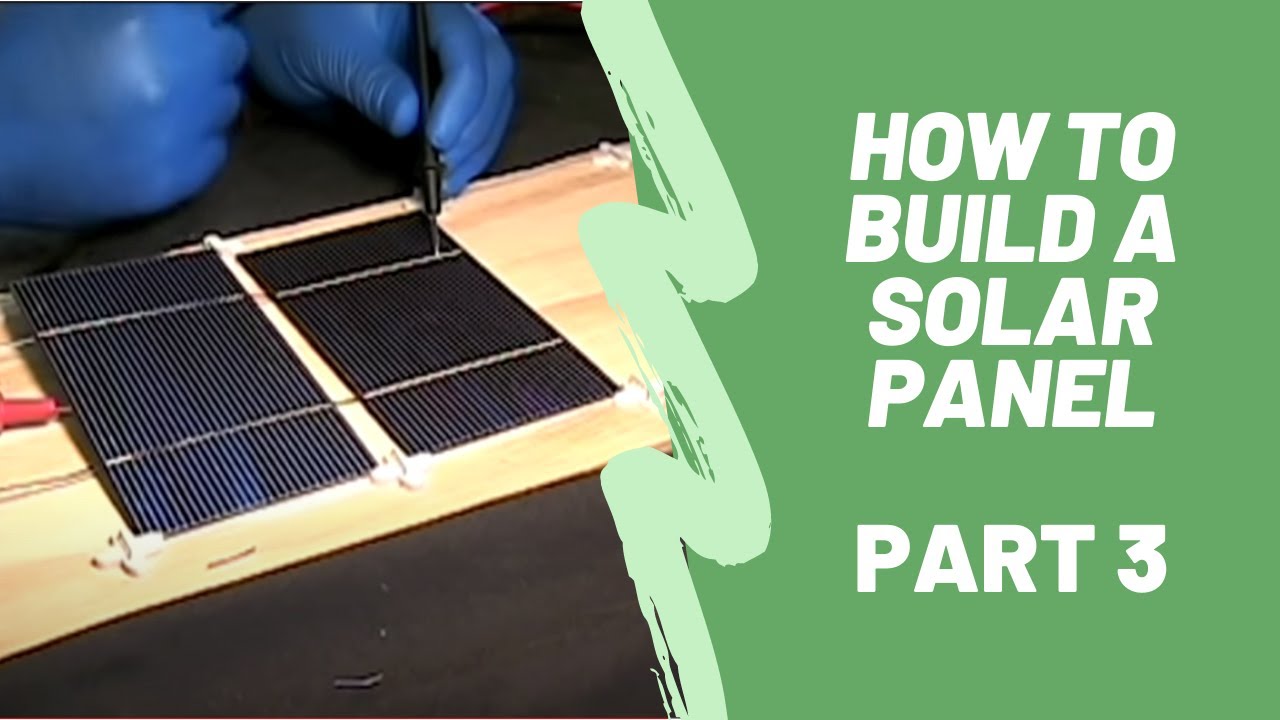
First up, the absolute rockstars of the show: the photovoltaic cells! These aren't just any old squares; they’re typically made from super-purified silicon. Imagine tiny, super-sensitive antennae, each one desperately wanting to grab a little photon (a fancy word for a particle of light) and shake an electron loose. It's like they're little light-munchers, gobbling up sunshine and spitting out tiny zaps of electricity. You line a bunch of these hungry little guys up, connect them in a neat little grid, and suddenly you’ve got a mini-power plant ready to go!
The Secret Sauce: Super Sticky Cosmic Goo (EVA)
Now, these delicate silicon cells are busy little things, but they're also a bit fragile, like a celebrity needing a good bodyguard. That’s where our next superhero comes in: EVA, which stands for Ethylene Vinyl Acetate. Sounds super science-y, right? Really, it’s just this amazing, clear, super-sticky cosmic goo that looks a bit like cling film. We lay a sheet of this stuff down, place our cells on top, and then another sheet on top of them. When everything gets heated up and squished (we'll get to that!), the EVA melts and basically laminates everything together, sealing the cells away from moisture, dust, and all the grumpy things in the world that want to stop them from doing their sunny job. Think of it as the ultimate protective cuddle!
Must Read
The Bread Slices: Tough Glass and a Sturdy Backsheet
Every good sandwich needs bread, right? For our solar panel, we’ve got two crucial slices. On top, facing the sun, is a sheet of super-tough, tempered glass. This isn't your grandma's windowpane; this glass is practically indestructible, designed to withstand hailstones, strong winds, and maybe even a grumpy squirrel or two. It lets all the sunshine through beautifully while acting like a transparent fortress for our precious cells. Then, on the bottom, we have the backsheet. This is usually a durable, weather-resistant plastic film. It’s like the comfy, protective blanket for the back of the panel, stopping anything nasty from creeping in from below and providing excellent electrical insulation. So, we've got glass, then EVA, then cells, then more EVA, then the backsheet. See? Sandwich!

The Superhero's Belt: The Aluminum Frame
Almost there! Our beautiful, multi-layered sandwich needs a strong skeleton, and that's where the mighty aluminum frame swoops in. This sturdy, lightweight frame hugs all the layers tightly, giving the panel structural integrity, protecting its edges, and providing a convenient way to mount it securely onto roofs or racks. It’s like the strong, silent type that holds everything together, ensuring your panel can stand tall against the elements, day in and day out. Without it, our solar sandwich might just flop over like a sad, deconstructed dessert!
The Little Brain: The Junction Box
And finally, every smart gadget needs a brain! For our solar panel, that's the little plastic box usually fixed to the back called the junction box. This might look unassuming, but it’s where all the individual electrical connections from the cells are brought together, safely wired up, and then sent out through cables to your home's electrical system. It also often contains bypass diodes, which are tiny electrical heroes that ensure if one part of the panel gets shaded (say, by a passing bird or a naughty leaf), the whole panel doesn't stop working. It’s the panel's traffic controller, making sure all that lovely electricity flows smoothly and safely!
The Grand Finale: Laminating and Assembly
So, how do all these magical pieces become one incredible solar panel? It's a bit like a high-tech baking session! All the layers – glass, EVA, cells (all wired up!), more EVA, and the backsheet – are carefully stacked up like the most precise layer cake you’ve ever seen. This stack then goes into a special machine called a laminator. Here, it gets heated to just the right temperature and put under vacuum pressure. This process melts the EVA, making it flow and bond everything together into a single, cohesive, super-strong unit. Once it cools, the panel is taken out, the aluminum frame is attached, and the junction box is securely fitted and wired. Voila! You've got yourself a proper, sun-guzzling, electricity-making wonder!
See? It's not magic, it's just really clever engineering and a whole lot of layering! From tiny silicon cells catching those elusive photons to the tough tempered glass protecting it all, every part plays a vital role in transforming sunshine into the power that lights up our lives. So next time you see a solar panel gleaming on a rooftop, give it a little nod. It's a silent superhero, quietly making a difference, one sunbeam at a time. And now you know its secret recipe – pretty cool, right?

