How Do Wildfires Contribute To Climate Change
Okay, picture this: You're roasting marshmallows over a campfire (safely, of course!). It's all cozy and delightful, right? But imagine that campfire growing... and growing... until it's the size of a small town. That, my friends, is kinda-sorta-ish what we're talking about when we talk about wildfires and climate change. Only, instead of gooey treats, we're dealing with some serious environmental stuff.
The Carbon Cycle: A Fiery Ferris Wheel
Think of carbon as this tiny little dude who loves to ride a Ferris wheel. The Ferris wheel is the carbon cycle, and it's constantly moving carbon around between the atmosphere, plants, soil, and oceans. Trees, being the super-efficient carbon munchers they are, suck carbon dioxide (CO2) out of the air during photosynthesis. They use it to grow big and strong, storing all that carbon within their woody bodies. Essentially, forests are giant carbon banks, keeping that stuff locked away.
Now, along comes a wildfire, roaring and ready to party. When a forest burns, all that stored carbon gets released back into the atmosphere as CO2. It's like the carbon dude getting flung off the Ferris wheel at top speed! All that extra CO2 acts like a giant, invisible blanket wrapping around the Earth, trapping heat and causing the planet to warm up. This, in a nutshell, is the greenhouse effect. It's necessary to keep us from becoming an ice cube, but too much is like wrapping yourself in a million duvets on a summer day – not exactly comfortable.
Must Read
Wildfires: Nature's Reset Button... With a Catch
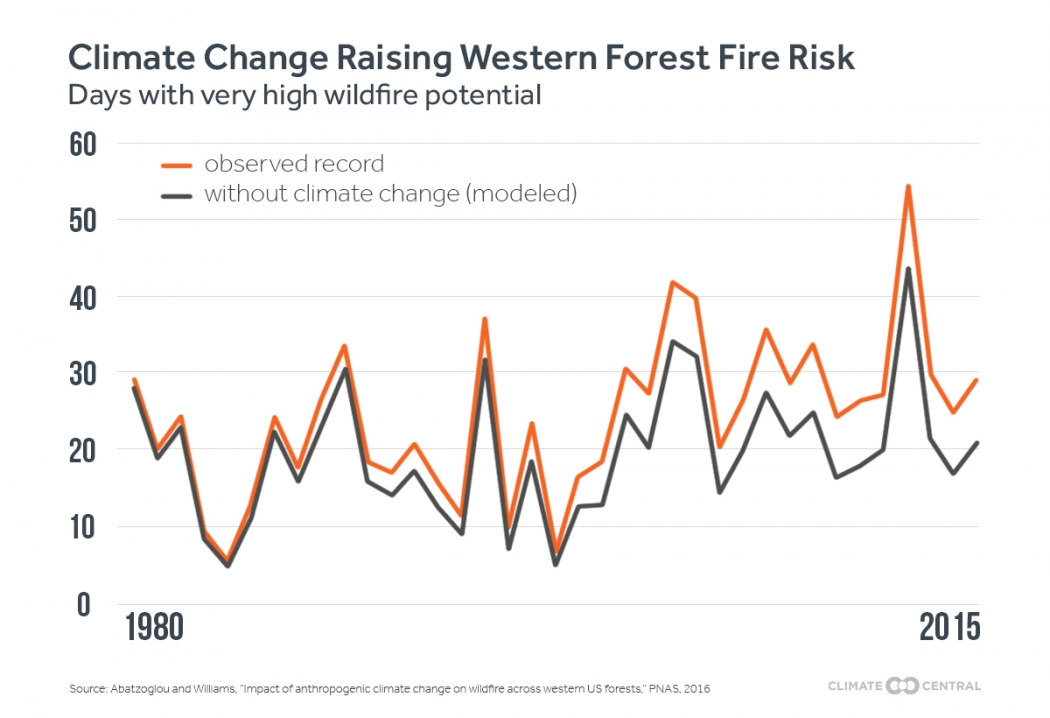
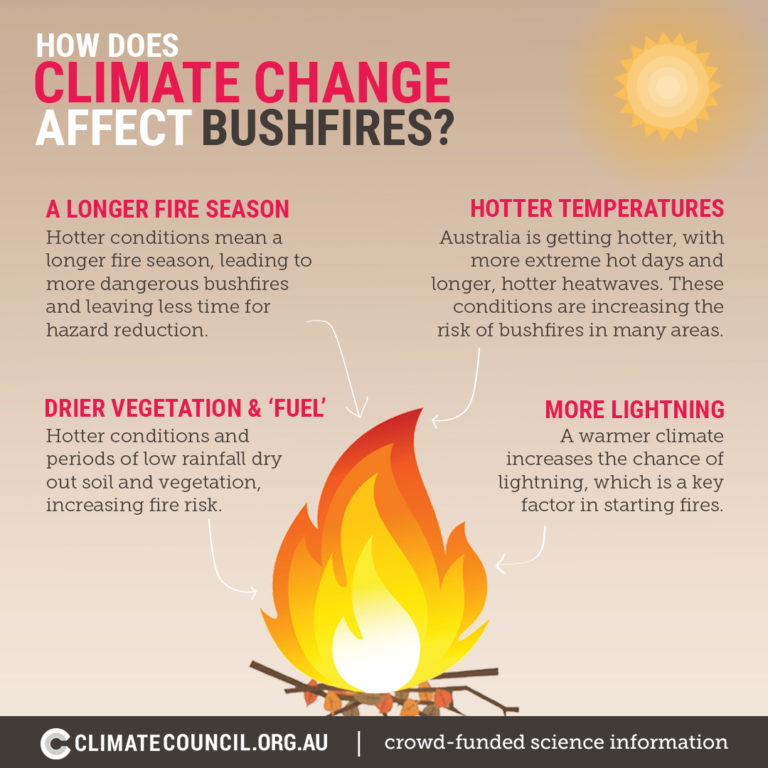
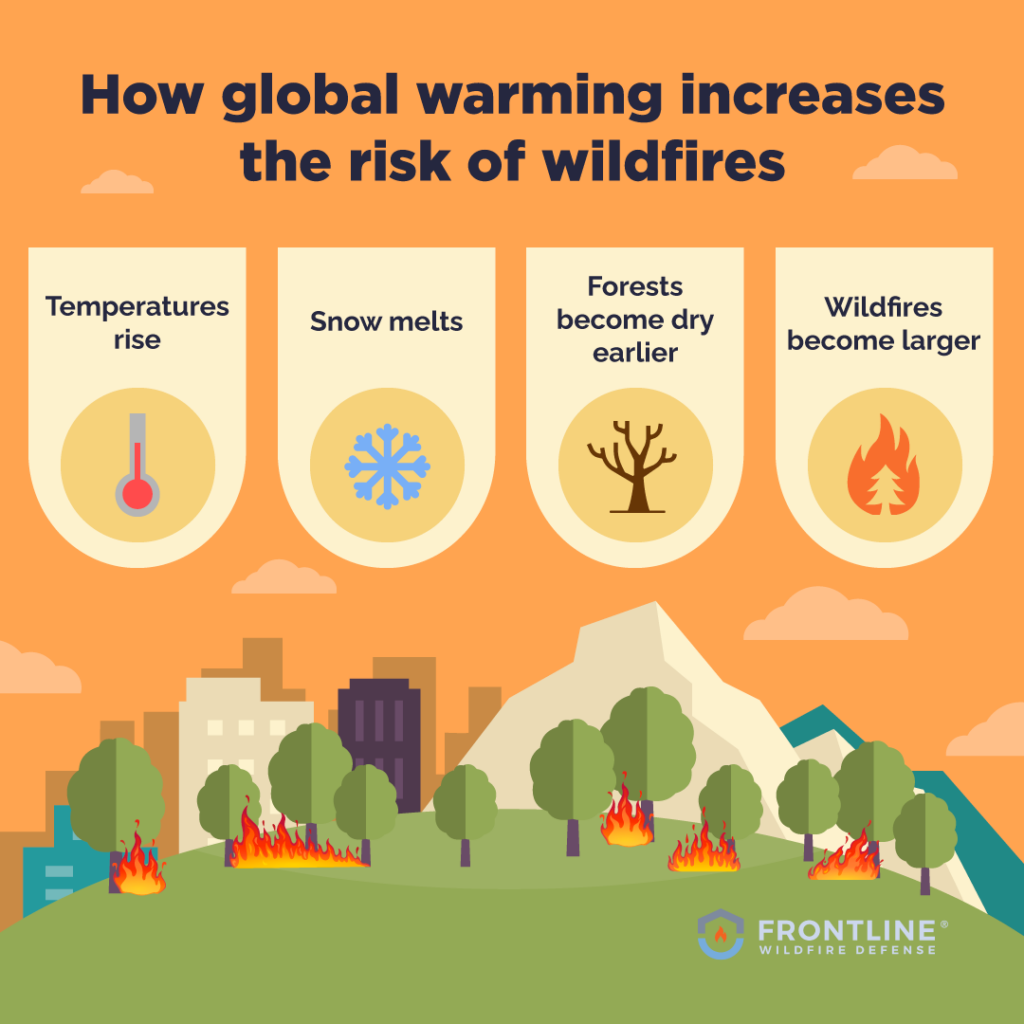
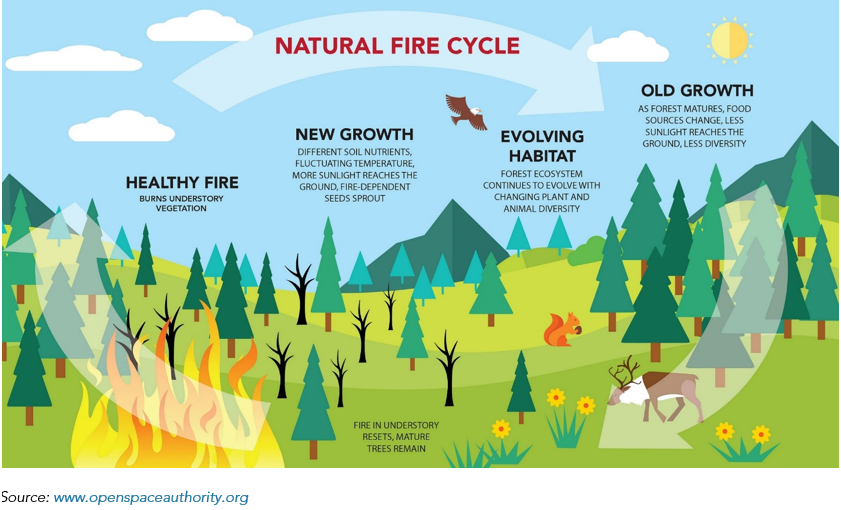
Of course, wildfires are a natural part of many ecosystems. They can clear out dead brush, make way for new growth, and even help certain seeds germinate. Think of it as nature hitting the "reset" button. The problem is, with climate change, wildfires are becoming more frequent, more intense, and lasting longer. They're going from a helpful little reset to a system-wide crash.
Imagine your lawnmower. It's a great tool for keeping your yard tidy. But what if you let your yard grow wild for years, then tried to mow it all at once? The mower would probably overheat and break down, right? That's kinda what's happening with wildfires. We're letting the conditions get so extreme that when fires do happen, they're way bigger and more destructive than they used to be.
The Feedback Loop of Fiery Doom (Okay, Maybe Not Doom, But Still…)
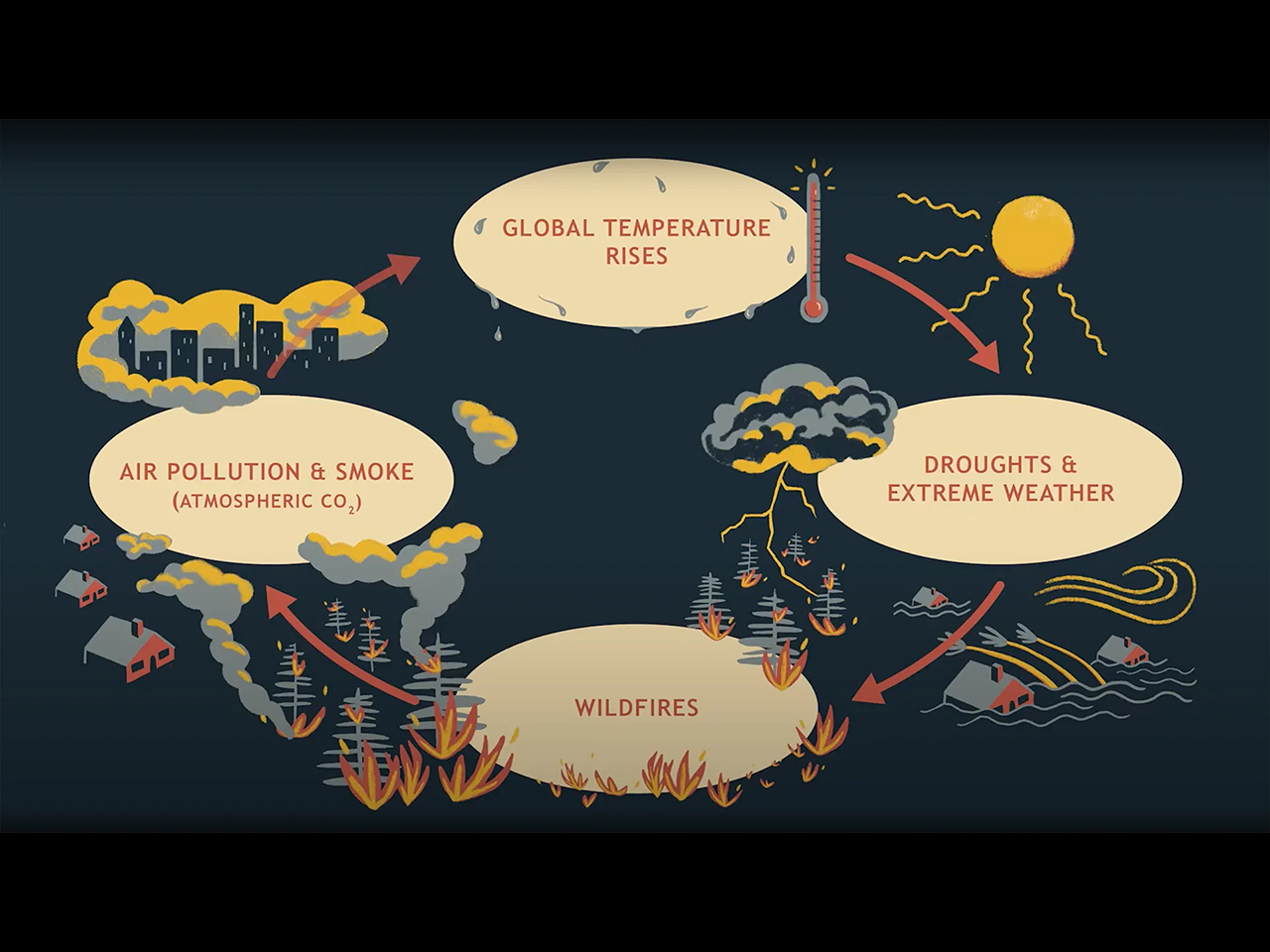
Here's where things get a little tricky. When wildfires release all that CO2, it contributes to climate change, which in turn creates hotter, drier conditions. These conditions make it easier for more wildfires to start and spread. It’s a vicious cycle! It’s like trying to put out a fire with gasoline – not the best idea.
Think of it like this: imagine your air conditioner is broken and the house heats up. So, you open the window and let the heat in which in turn requires you to open more window in order to keep up with the rising temperature in the house. It is only going to get hotter and hotter.
Beyond the Carbon: A Whole Lotta Bad Stuff
It's not just the carbon that's the problem. Wildfires also release other pollutants into the air, like particulate matter. In fact, particulate matter can harm your lung, enter the blood stream, and cause a variety of issues. These particles can travel long distances, affecting air quality far beyond the immediate fire zone.
Moreover, wildfires can damage water supplies, destroy habitats, and displace people and animals. The aftermath of a large fire can be devastating, and it can take years, even decades, for ecosystems to recover.
What Can We Do? (Besides Panic)
Okay, so it all sounds a bit bleak, right? But don't despair! The good news is that we can do something about it. First, we need to tackle climate change by reducing our greenhouse gas emissions. Support policies that promote renewable energy, energy efficiency, and sustainable land management. Plant trees! (They're the carbon-munching heroes we need!) And, most importantly, stay informed and talk to your friends and family about the issue. Every little bit helps.
Remember, even the smallest spark can start a wildfire. And, conversely, even the smallest action can help put out the fire of climate change. So let's all do our part to protect our planet and keep those marshmallow roasts (the safe ones!) coming!